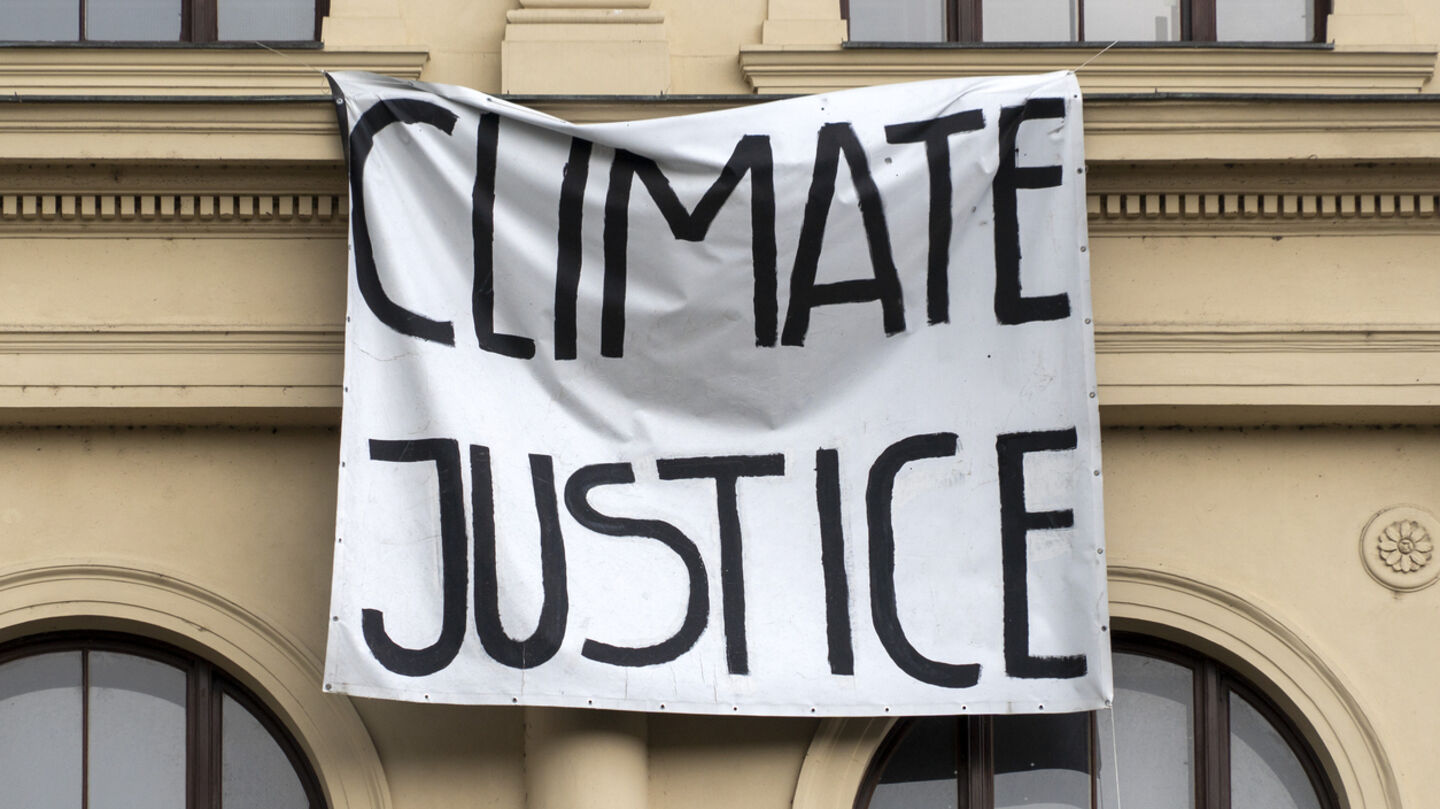

This Thursday, the PVV submitted parliamentary questions regarding the occupation of a university building in Utrecht. The protest by pro-Palestinian demonstrators has now been going on for a week. The PVV members speak of a “massive disruption of education.” In the past, spaces on the TU/e campus have also been occupied as part of demonstrations.
In the most recent election programs of political parties, the right to protest was frequently discussed. GroenLinks–PvdA, the Party for the Animals, and the Socialist Party oppose restricting freedom of demonstration, while parties such as the BBB, VVD, and JA21 want rioters to be dealt with firmly. JA21 wants higher education to be “free from activism.”
At the request of the House of Representatives, the Research and Documentation Centre (WODC) examined the issue. The report was published today. According to the researchers, there is no need at all to amend the right to demonstrate.
Bottlenecks
The notion that protests often lead to riots and vandalism is incorrect, the authors write: “In the vast majority of cases, demonstrations are peaceful and cause hardly any disturbance.”
The researchers do acknowledge certain “bottlenecks,” for example when demonstrators deliberately break the law. However, riots and vandalism do not fall under the freedom of demonstration and therefore are not protected by that right. Demonstrators who commit criminal offenses can simply be prosecuted under criminal law.
That does indeed happen on occasion. For example, a student at the University of Amsterdam received a two-month prison sentence after throwing sticks at the police during a demonstration.
Occupation
A peaceful occupation of a university building can also “in principle rely on the protection of the right to demonstrate.” Even if some activists commit acts of vandalism, that does not mean the entire demonstration may no longer take place, the researchers emphasize. People who themselves do nothing wrong remain protected by the law.
The authors of the report do note that universities “have become increasingly autonomous and more distant from the government.” They may apply their own house rules to a certain extent. The government does not need to interfere in that.
This article was translated using AI-assisted tools and reviewed by an editor.
Discussion