- Research
- 4 min
- 05/03/2026
TU/e aims for clearer presence in Europe with EU Action Plan
The university gets 40 million euros annually from Brussels
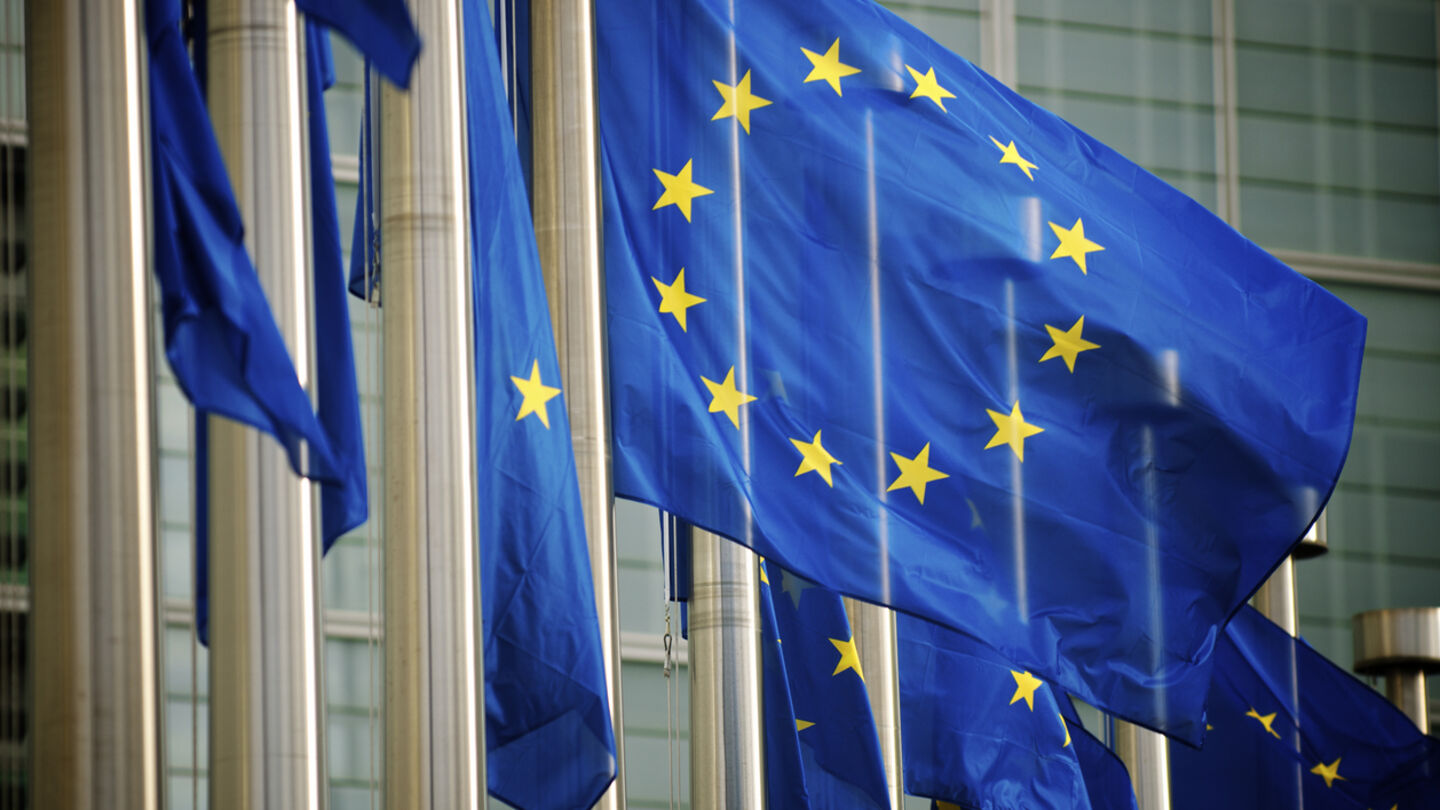
With the EU Action Plan, TU/e aims to better support its researchers in applying for European grants. Another goal of the university is to raise awareness in Brussels of its research impact.
Wilfried Reincke is the driving force behind the EU Action Plan. The initiative, which runs until 2027, aims to strengthen TU/e’s participation in European research and innovation programs. Getting more attention in Brussels for the university’s research work and its impact is another important focus point.
Reincke is a physicist but became interested in collaboration in EU programs and valorization. He works at the Research Support Office (RSO), a department that assists scientists and first-line support staff in acquiring and implementing external grant projects. Together with an EU working group within TU/e, he developed the EU Action Plan.
“Acquiring grants takes a lot of time and energy. We want to increase the effectiveness of that effort. If a scientist or project staff member has gained extensive experience in securing research funding, it’s great if we can share that knowledge and expertise more widely within TU/e.”
Impact
Researchers can, for example, gain more visibility through media articles about their research and the impact it hopefully has. TU/e can help with this by not only informing the media during the research phase, but also later, when innovations have led to practical results.
Reincke: “In medical-technological research, for example, you can see after a few years whether the innovation in question is reflected in hospital procedures. And then a few years later, it might be that the new technology has improved patients’ survival rates. This is then—partly—the result of a European research project with TU/e involvement.”
Funding
The importance of Europe to the TU/e is evident from the funding the university receives. “There's a lot more money coming from Europe than before,” says Reincke. Not only is the amount higher, but the share of EU funds in TU/e's budget is also larger than before. The university has therefore become more dependent on the EU for research.
TU/e receives an average of around 40 million euros per year from central European funding. This money is used for approximately sixty new projects annually. Horizon Europe is by far the largest European program from which TU/e benefits.
This 40 million represents approximately 40 percent of TU/e’s third-party funding stream (100 million euros). If we consider the second and third-party funding streams combined—all income that does not come from core funding from the Dutch government—these 40 million euros represent a third of that.
Toolbox
The EU Action Plan program team has developed several tools to help scientists successfully participate in EU programs. A digital toolbox has been developed, which researchers will soon be able to consult on the intranet to assist them in writing project applications.
“There's a lot of competition for European funding these days. To secure funding, your proposal must not only be of high scientific quality but also meet various requirements regarding impact and implementation. The TU/e Research Support Network has extensive knowledge about how to write a good proposal, so we've now compiled that into a toolbox.”
In addition, an overview of training courses for researchers who want to improve their skills in writing grant applications, among other things, will be available on the intranet.
Innovation Radar and Fund
The flagship product of the EU Action Plan was launched on February 26: the TU/e Innovation Radar and Fund. The tool is intended to monitor and stimulate the impact of EU research projects.
“With the radar, we will systematically map all EU projects that are ending or have recently ended, and determine where there are valorization opportunities and where support is needed.” Reincke knows this is already happening, but believes it could be done more systematically. An impact officer—Paris Rallis of the Knowledge Transfer Office—has been appointed for this purpose, among other things.
Reincke believes that making the impact created with EU research funding received by TU/e more systematically visible will also indirectly help TU/e attract more European funding in the long term.
Discussion