- Research
- 6 min
- 31/03/2026

PhD candidate tests new malaria test in Uganda
A fast, affordable, and reliable malaria test: that combination is still rare, even though it is precisely what regions with high malaria prevalence need most. Harm van der Veer, PhD candidate at TU/e, contributed to the development of such a test and traveled to Uganda to test it with real patients. “The preliminary results are very promising.”
Globally, around 263 million people contract malaria each year, of whom nearly 600,000 do not survive the disease. “Ninety-five percent of these fatal cases occur in sub-Saharan Africa,” explains PhD candidate Harm van der Veer, who returned last month after more than four months of research in Uganda. “Fast and accessible diagnostics are crucial for malaria, especially because the disease is often treatable when detected early.”
Tests do exist, but according to Van der Veer, they are not ideal for several reasons, particularly in that region. “Accurate tests are often expensive and require laboratories.” Not everyone has access to a hospital with such facilities nearby, and even when they do, many people cannot afford them.
“In addition, there are the cheap antigen rapid tests. They are fast and widely available, but less sensitive and often unable to detect all malaria parasite species present in the region.” This makes it difficult to provide targeted treatment with the correct medication, he explains.
That is a significant issue, as incorrect treatment can contribute to the development of resistance to medication. With a new test—developed within Biomedical Engineering's Protein Engineering research group, where he is pursuing his PhD—Van der Veer hopes to reduce this problem. “We are focusing on a truly accurate and affordable test.”
How it works
The first step of the test is to amplify the parasite’s genetic material so it can be detected. The method is similar to the well-known PCR test—familiar to many from the COVID-19 pandemic—but there is an important difference. Whereas PCR equipment continuously cycles between different temperatures to copy DNA, this test operates at a single constant temperature of about forty degrees Celsius.
“You don’t need a complex device that constantly cycles temperatures,” says Van der Veer. “In principle, a simple and energy-efficient heating element is sufficient.”
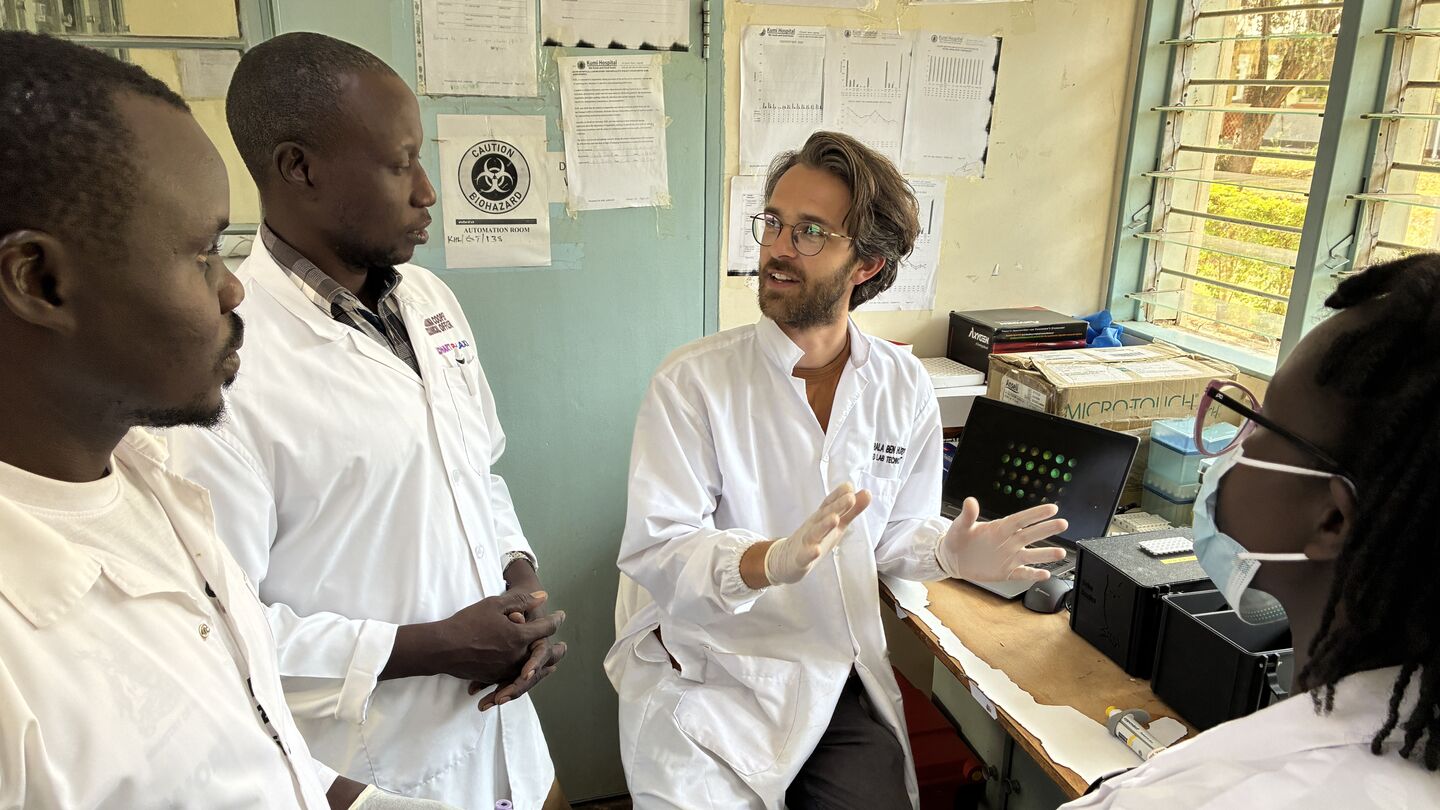
According to him, this makes the test better suited for locations where laboratory facilities are limited. During his fieldwork in Uganda, he used a small prototype device costing around 300 euros, which could even run on batteries—useful, since power outages were frequent.
In addition to the simple equipment, the researchers expect to reduce costs to under two euros per test through scaling and the use of cheaper reagents. This could make the method a better and more affordable alternative to existing diagnostics in those settings.
Malaria
Malaria is an infectious disease caused by the Plasmodium parasite, which is transmitted by mosquitoes. There are five types of Plasmodium parasites that cause different forms of malaria in humans. Malaria tropica—caused by Plasmodium falciparum—is the most deadly variant. “In sub-Saharan Africa, where Uganda is located, this is by far the most common type.”
The readout of the test is also much simpler than with a PCR test. This part of the test was specifically developed at TU/e: a technique called LUNAS (LUminescent Nucleic Acid Sensor). The readout is based on bioluminescence, where an enzyme produces light—a phenomenon also found in nature, for example in fireflies.
This technique has previously been successfully applied and tested for other infectious diseases, such as COVID-19 (SARS-CoV-2), as well as sexually transmitted diseases like gonorrhea and chlamydia.
Using different color signals, the test indicates the result. “In case of the malaria test, red light indicates that the test is functioning, so that should always be present,” he explains. “Blue light means that a malaria parasite is present, and if it specifically concerns the falciparum variant, green light will also appear.”
No complex equipment is needed to read the light signals, says Van der Veer. “A simple camera, like the one in your phone, is sufficient—ideal for most environments.”
Real-world conditions
The malaria test had already been successfully tested many times in the Netherlands, but never on site under real-world conditions. Those earlier tests used synthetic DNA—with the same genetic sequence as the malaria parasite—or blood from travelers who returned infected from malaria-endemic regions. “Those blood samples came from the freezer. So we had never tested the method in fresh blood.”
For that reason, the study was set up in Uganda. With around 12.6 million cases per year, the country ranks third worldwide in terms of malaria infections. Each year, about one in four people there contracts malaria.
Van der Veer: “I went there with a test that worked in the lab in the Netherlands, to show that it would also work under real-life conditions in a relevant setting: with actual patients, and also when things don’t go as planned—for example, when the power goes out or when laboratory equipment is unavailable.”
At the Ugandan clinic
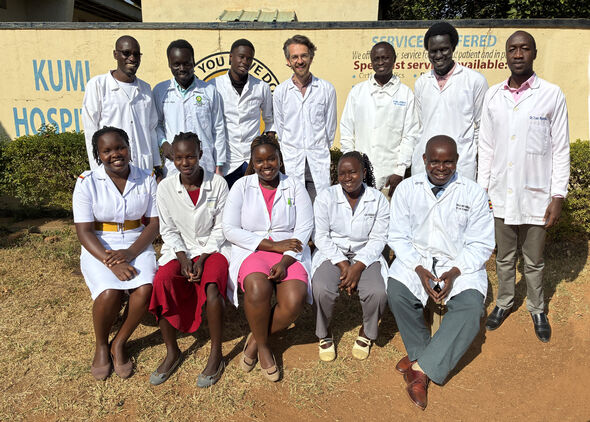
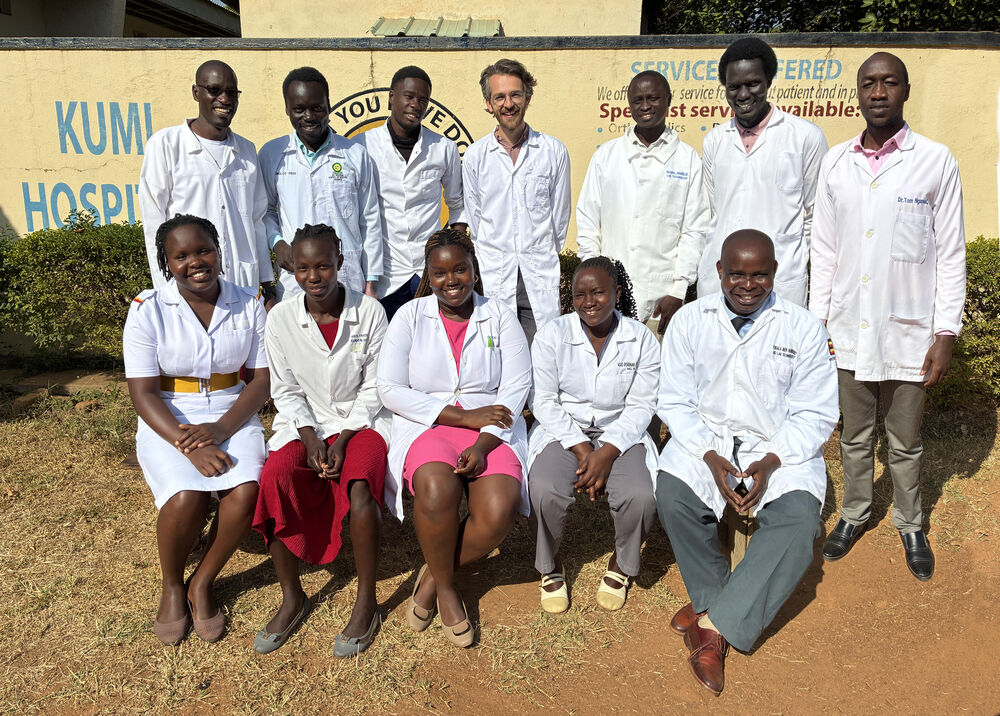
The testing was conducted at Kumi Hospital, near the eastern town of Kumi. When doctors there suspected malaria in a patient, the patient was given the opportunity to participate in Van der Veer’s study. “The only difference for the patient was that an extra blood sample was taken for our research.”
“The result of our test was not shared with the patient and had no influence on the treatment decision. Their participation was truly for the sake of science.”
In total, blood samples from 445 patients were needed to obtain sufficient statistical confidence. At one point, it seemed he would not reach that number, Van der Veer recalls. “And I had already extended my visa once, so I couldn’t do that again.”
A so-called surgical camp ultimately provided a solution. “Once every quarter, the hospital organizes such a camp. A bus arrives with people who have been suffering from symptoms for a long time but cannot afford treatment.”
Shortly before his departure, such a bus arrived at the clinic. Many of the patients had malaria symptoms, allowing the team at Kumi Hospital to collect enough samples after all.
A narrow escape
During his 4.5 months in Uganda, Van der Veer did not contract malaria himself. He took preventive medication daily to avoid infection. “Taking these pills long-term is not ideal and also expensive, so it is not a viable solution for the local population.”
Without those pills, he believes he would almost certainly have contracted malaria. “In the first week, I had more mosquito bites on my foot than intact skin.” Some of his colleagues were less fortunate—some contracted malaria even twice during that period.
Next steps
The 445 blood samples were tested on site using three existing testing methods as well as Van der Veer’s test. To complete the research, all samples will also be analyzed using a PCR test. “That is the most sensitive and well-established method, so we want to compare all other results against it.”
The PCR tests are being carried out in the Netherlands. “If blood is dried onto filter paper, you can transport it at room temperature, so I did that with part of each sample.”
Only when the PCR results are available can a final conclusion be drawn, but compared to the standard tests used in Uganda, Van der Veer’s method already appears to be more sensitive.
Startup
“These final studies are the concluding phase of the real academic work,” says Van der Veer. If the malaria test performs as well as expected, he and his colleagues aim to bring the method to market.
To achieve this, he founded the social enterprise Spotlight Dx together with Maarten Merkx, his promotor and head of the Protein Engineering group where this research is conducted, Claire Michielsen, a postdoc in the same group, and two medical microbiologists with years of practical experience in sub-Saharan Africa. Van der Veer has been involved in the development of the technology from the very beginning. “It has been nearly seven years now; it all goes back to a student project in iGEM during my master’s.”
According to Van der Veer, it will still take some time before healthcare centers in Uganda—and elsewhere—can actually use the test. The method still needs improvement, particularly in terms of usability.
“I had to perform too many steps when conducting the research there,” he explains. “It worked, but only because I knew the test inside and out. When others start using it, it needs to be faster, easier, and less prone to errors.”

The regulatory process will also take time. “Think about certification and access to the local market; that can take quite a while for a medical test,” Van der Veer notes. “And building the company itself—funding, personnel, and organization—also requires a lot of work.”
Still, the process is moving in the right direction. If everything goes according to plan, Van der Veer hopes to return to Uganda within two years to train local analysts to test the next version of the method in practice. “I told everyone there: ‘I don’t know exactly when, but I will definitely come back.’”
A second family
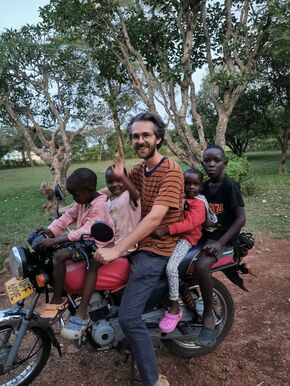
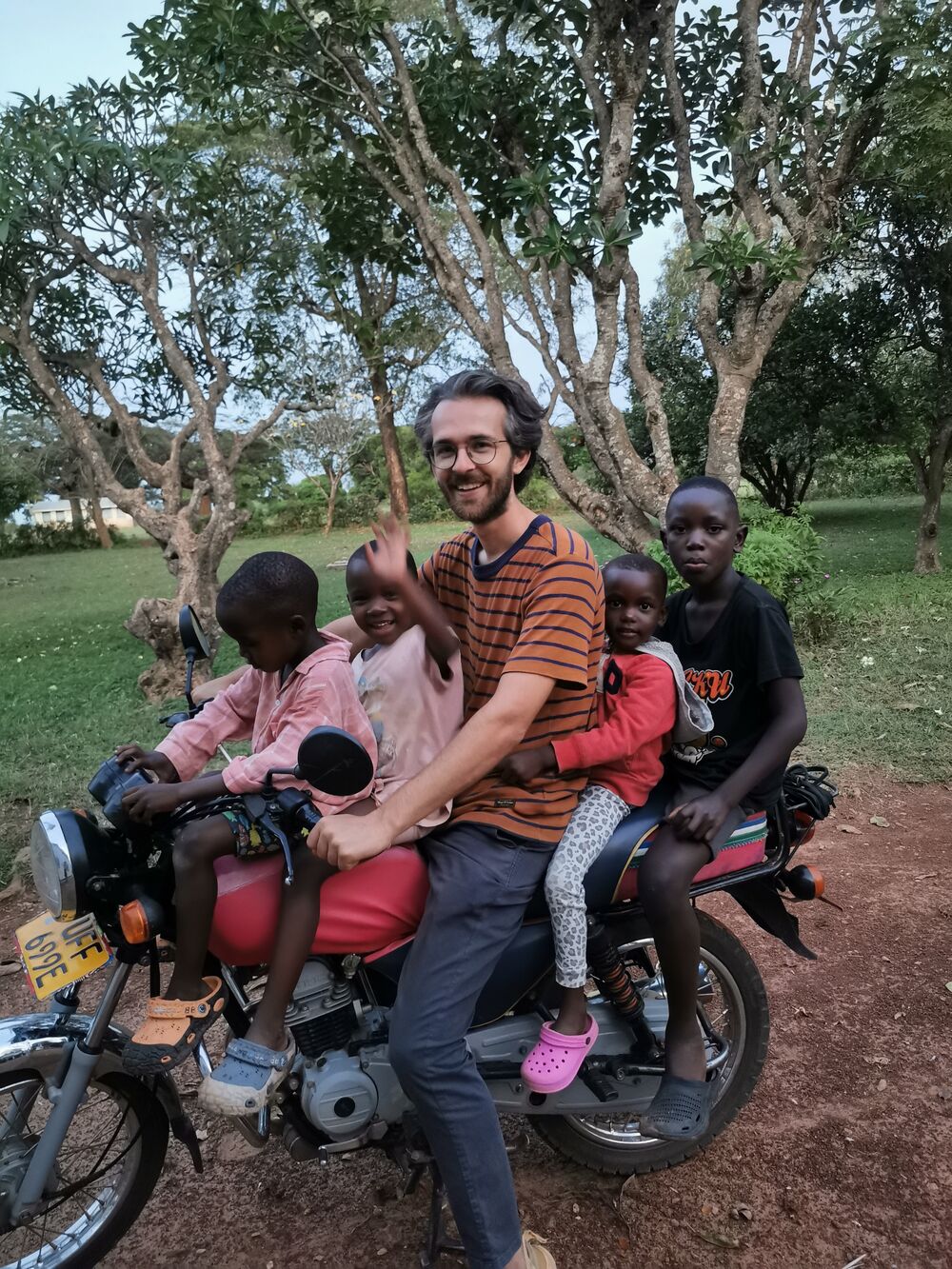
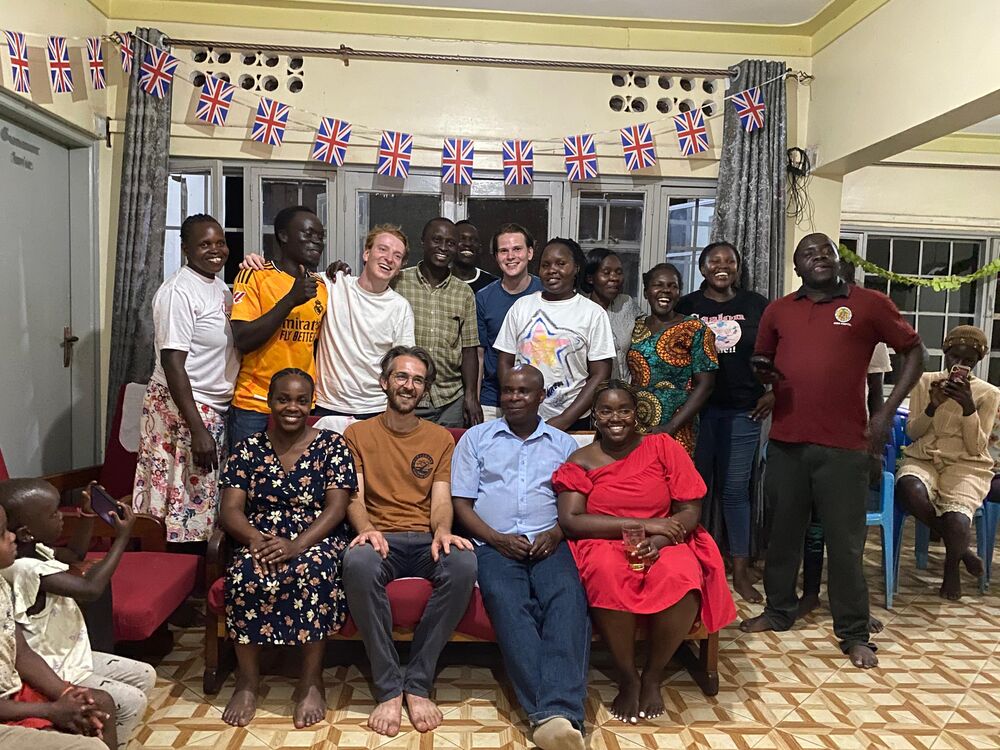
Van der Veer looks back on his time in Uganda with great fondness. “The people are incredibly welcoming, so it now feels like I have a second family there,” he says enthusiastically.
He was not familiar with the local cuisine at first, but quickly grew accustomed to it. “At the hospital, we often ate poshoandbeans, a kind of maize porridge with bean stew, from two huge pots placed outside over an open fire,” he explains. His favorite dish was chapati—a kind of oily flatbread—preferably in a rolex. “That stands for ‘rolled eggs’: eggs rolled in chapati. Very tasty!”
In addition to work, there was also time for vacation and family. “My wife (a veterinarian, at the time in training) was also conducting research in Uganda, on Chimp Island, seven hours away from me,” he says. Once she finished, she stayed with Van der Veer in Kumi for another month to complete her reporting.
“Together, we also traveled through the country for two and a half weeks.” During that trip, they even made national news (first 40 seconds of the video). When their car got stuck in the mud, a presidential campaign convoy came up behind them. “They helped us and immediately used the incident in their election message: ‘Even tourists get stuck here—we need better roads.’”
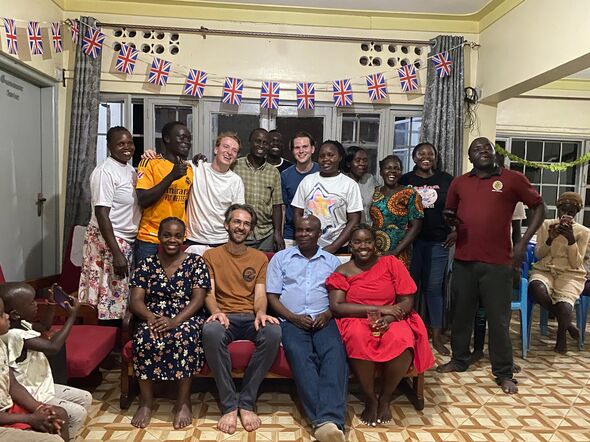

In addition to TU/e and Kumi Hospital, the research also involves the Global Health Initiative foundation, Makerere University, Fontys, Dicoon, and KCCR in Ghana. The study was made possible through financial support from the Eindhoven University Fund, NWO Take-Off, and Biotech Booster.
This article was translated using AI-assisted tools and reviewed by an editor.
Discussion