- Research
- 6 min
- 01/04/2026

In the Arctic vault: why the North Pole preserves our seeds
TU/e Professor Ilja Voets uses cryotechnology to help protect biodiversity and, with it, the future of our food
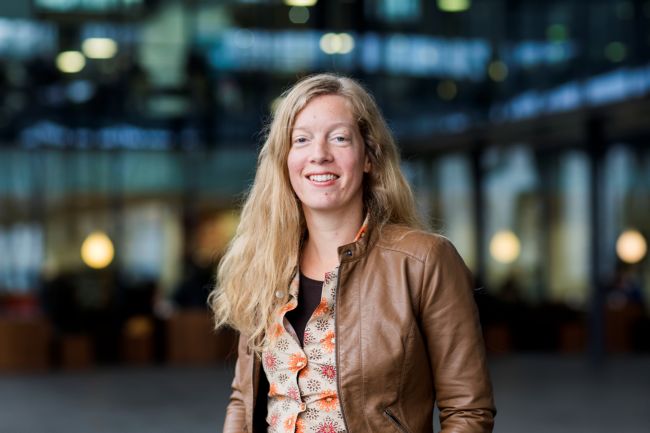
When Trump suddenly showed interest in the Arctic region and wanted to buy Greenland or, ‘if necessary,’ colonize it, the whole world faced north. But what else is there to be found besides ice, nature, and a geopolitically strategic location? A seed bank that safeguards our (food) crops for the future, thanks in part to the cryotechnology of TU/e Professor Ilja Voets.
There are hundreds of thousands of different plants on Earth that we must cherish. Preserving them in a seed bank can help prevent extinction. TU/e Professor Ilja Voets is heavily involved in preserving cells, tissues, organs, and seeds using cold. But the major challenge lies precisely in that cooling: how do you do that without ice formation and without damaging the seed?
Voets, who recently secured an ERC Proof of Concept grant for her research into antifreeze proteins and new materials designed to prevent freezing damage to biological systems —such as donor organs — knows how seeds can be safely stored and why the Arctic region is a better location for this than, for example, the Netherlands.
Red fruit
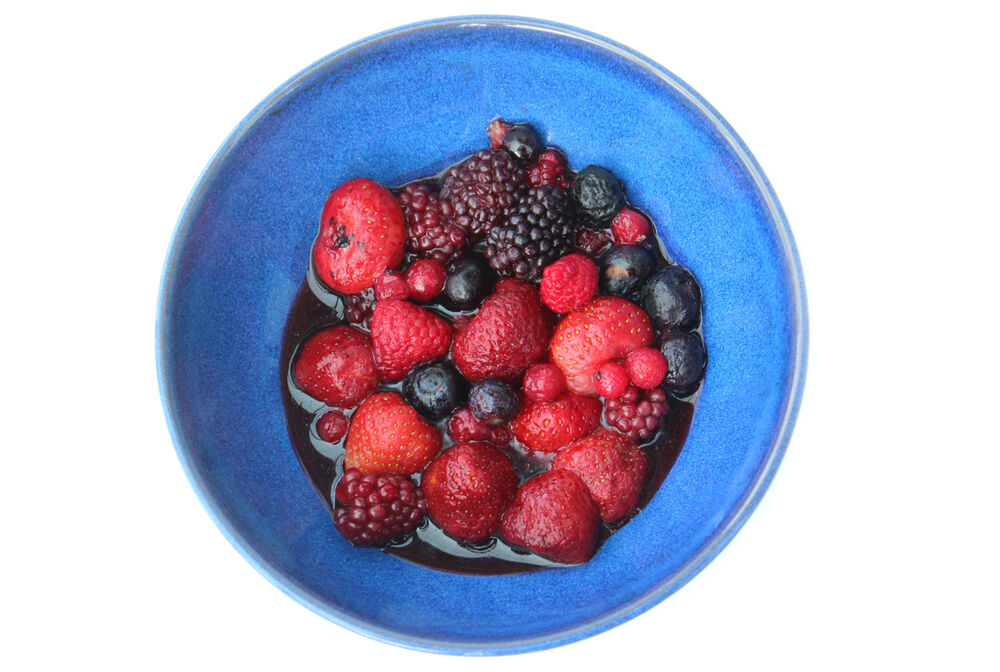
You might find an example of the impact of freezing temperatures on cells in your own freezer. Anyone who has ever bought frozen red fruit and then defrosts it, ends up with a mushy heap of strawberries or raspberries. The freezing process has damaged the organic cells, causing moisture to leak out.
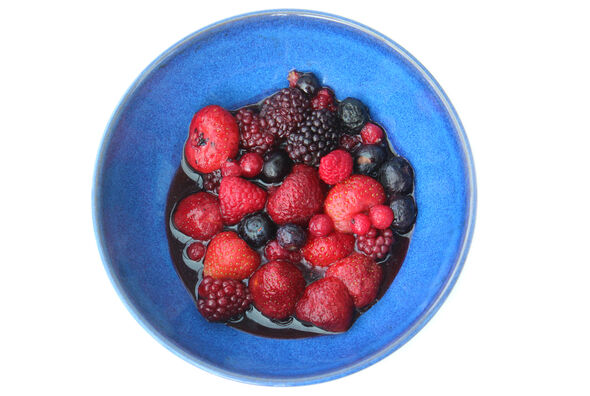
With a strawberry, this is not a major issue, but with a patient, it is. In any case, it shows that ‘simply freezing’ is not workable for regenerative medicine — a field in which the body’s self-healing capacity is used to repair damaged tissue — or for the storage of seeds, because the tissue is then irreversibly damaged.
Seed Vault
Successfully preserving plants using cold requires expertise in chemical cryobiology, in which chemical substances are used to freeze and preserve cells and tissues, and mechanobiology: a field that investigates how cells and tissues perceive, process, and convert mechanical forces into biological reactions.
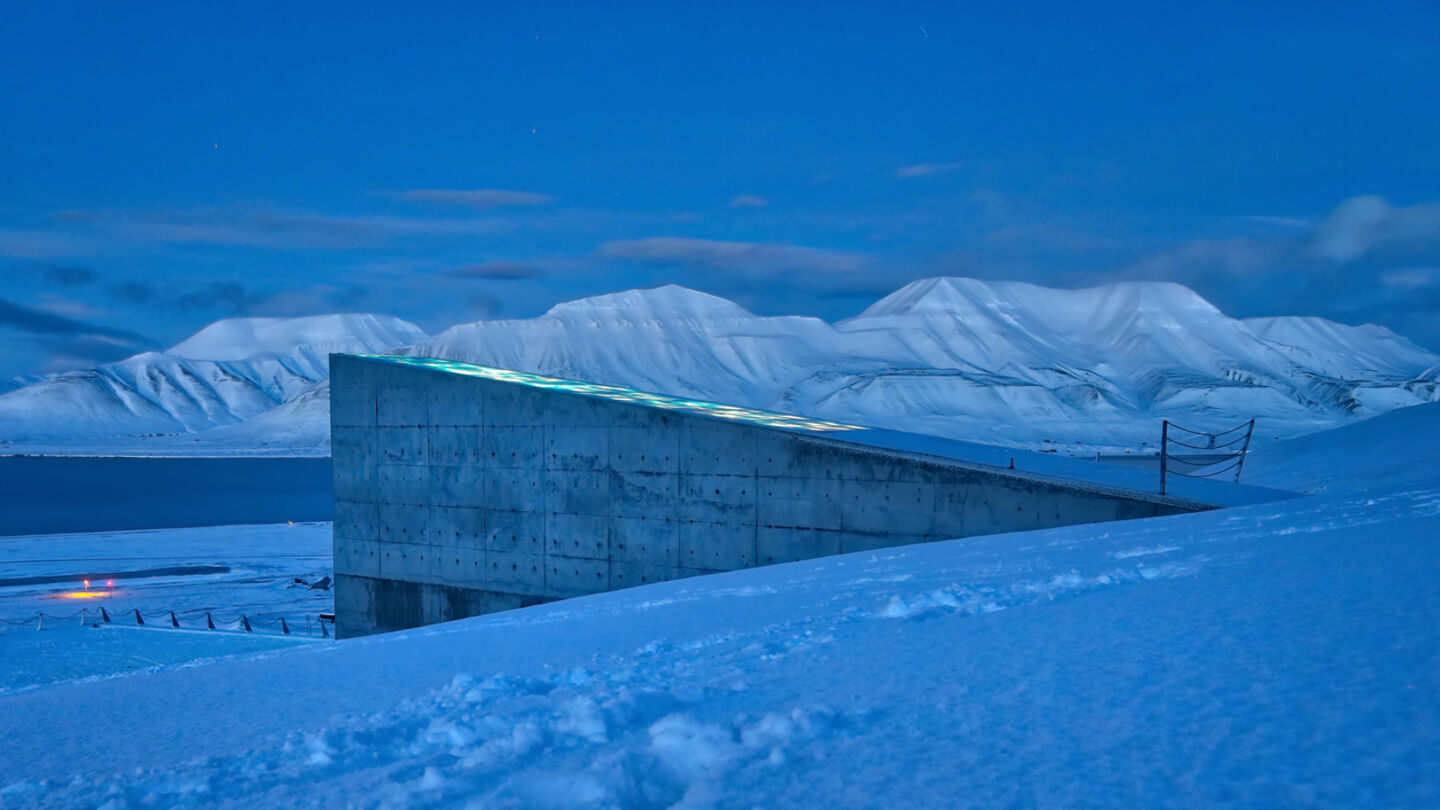
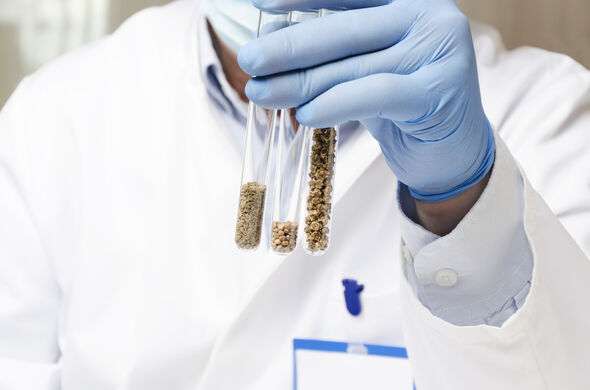
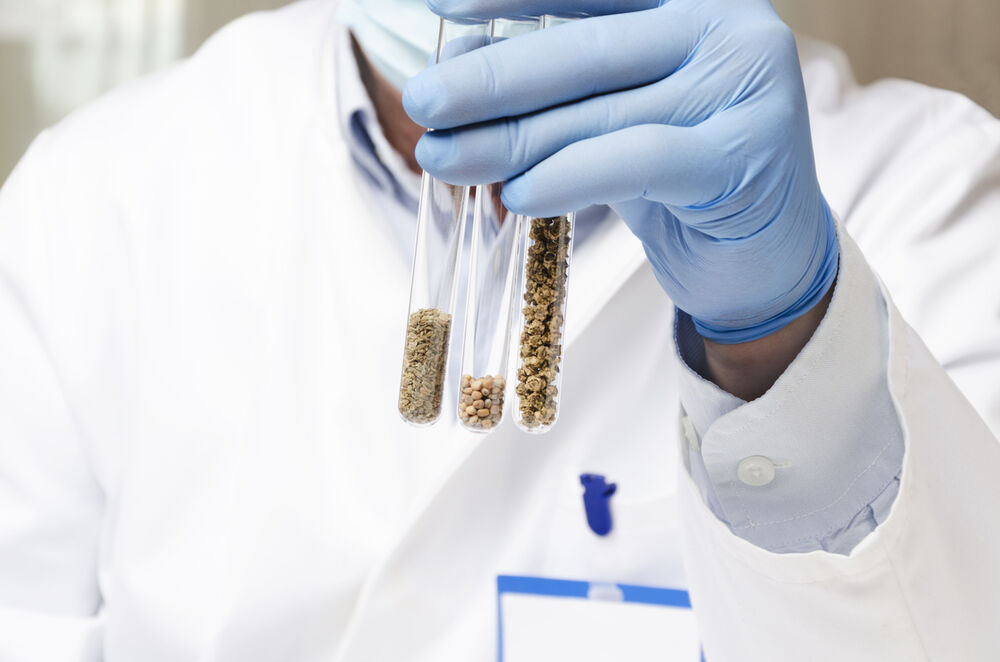
One of the largest and most important seed vault in the world is located on ever cold Spitsbergen: the Svalbard Global Seed Vault. Here, seeds, primarily of agricultural crops, are preserved for a long time by first drying them and then storing them cold. However, this traditional method is far from always effective. So-called recalcitrant seeds, for example, cannot withstand this. These are not rebellious teenagers, but drought-sensitive seeds.
TU/e Professor Ilja Voets is also developing alternative methods to store plant species, for the future of our food supply and biodiversity. To do so, she draws inspiration from regenerative medicine, a field in which cultured human cells are used to test medicines, for example.
Congress
Initially, Voets focused on the storage of cells, tissues, and organs using chemical cryotechnology. Plants were recently added to this, actually by chance.
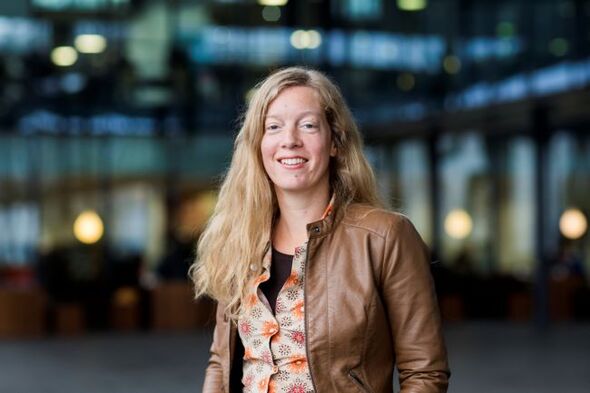
“Last summer, I was at a cryobiology congress in Hanover and spoke there about our work on human cells. Many plant biologists were present, and they shared their challenges.”
That is how Voets learned that seeds of many important crops are stored in the Svalbard Global Seed Vault, but far from all plants have seeds or can withstand drying out for storage at -18 degrees Celsius, the international standard for long-term seed storage. However, the biologists still want to safely preserve those plants regardless.
Biodiversity crisis
Three out of four plants that have not yet been discovered and described — estimated at several thousands to tens of thousands — are already threatened. This is evident from an analysis by 200 scientists from 30 countries. Among the flowering plants that have already been discovered, this figure is 45 percent. “This biodiversity crisis must be addressed urgently, for the simple reason that all life on Earth depends on this biodiversity,” states the report on the global inventory.
“Many seeds of plant species threatened with extinction are sensitive to drought. The new techniques we have developed for human cells could also offer a solution here,” Voets quickly realized.
“And plants that are not seed-bearing might also benefit from our technology.” A possible alternative for such a plant is adding or encapsulating it with a protective compound so that the plant does not receive a signal that something is wrong.” However, more research is still needed for this.
Switching off metabolism
Voets sees how chemistry, biology, and physics can work well together to make this succeed. “To make materials, you need chemistry. And to develop and perfect applications for this, we use cryomicroscopy. This allows us to measure the positive impact of our materials.” In cryomicroscopy, biological samples (such as proteins) are frozen extremely rapidly, allowing you to create highly detailed 3D images of their natural, undamaged form using an electron microscope.
However, cryomicroscopy is not a standard method; measurements are usually taken at room temperature or body temperature, but not below zero. Voets and her colleagues have developed new methods for cryomicroscopy and super-resolution microscopy below zero and applied them to human cells, but these techniques can certainly also be applied to plant cells.
The seed storage process is aimed at switching off metabolism and thereby preventing the seedling from germinating. A seed must not receive the signal to become a plant. If you cool down a seed, this process slows down. But if you cool the seeds significantly, you run the risk of ice forming, which extracts moisture from the seed and can then induce stress.
A living cell of a human or plant cannot cope with that. Damage can occur, and if it cannot be repaired, the tissue or the seed dies. You want to prevent that. So you don't want ice formation in the cells. Incidentally, ice can form during cooling, but remarkably enough, also during heating. In the latter case, this can happen due to pressure or vibrations, for example.
Frogs
In nature, however, there is already a trick to prevent ice forming in organisms that freeze. The masters of that cryobiology trick are fish and Canadian frogs. Canadian frogs cool down very quickly before winter, allow their bodies to freeze in a controlled manner, and become as hard as stone. Their hearts temporarily stop beating and breathing ceases. They produce their own ‘antifreeze’ from glucose and urea that prevents ice crystals from forming in their cells, as that would be fatal. What they allow to freeze is the water between their cells. They keep their cells hydrated just enough to survive. In the spring, when it gets warmer, they ‘come back to life’.


Frogs Come Alive After Winter Thaw | National Geographic
The Canadian frogs can 'freeze' and defrost without dying.
This resembles what scientists like Voets do with the freezing of organs, but invented by nature itself. “We draw inspiration primarily from fish that undergo a process similar to those frogs. However, we are trying to look at substances other than glucose to add, because adding a lot of sugar is not very healthy when it comes to agricultural crops, and can also alter the properties of your material.”
The fish have developed a mechanism using proteins that protect them, of which they also require much less than the frogs require of their glucose. It is of great importance to map the effect for each cell type, tissue, and organ, and to develop a good method that enables long-term and safe preservation. For unlike the frogs and fish, this protection does not yet occur automatically in humans or seeds.”
Safest place
There are, incidentally, a few good reasons why the world's largest seed vault is located in such a remote corner. The energy required to keep the seeds at -18 degrees is lower in a place that is naturally cold. Spitsbergen has natural permafrost: the ground is permanently frozen, meaning that the seeds remain frozen even in the event of a power outage.
The mountain in which the vault is built has low humidity and a constant temperature, conditions that are also favorable for seed preservation. And let's not forget the location: it lies far above sea level, so the seeds would remain safe even if sea levels rise.

Even though attempts have already been made here to implement significant safety margins, not everyone is convinced that Spitsbergen is the best place for preserving our seeds. In 2016, exceptionally warm winter temperatures caused a wave of meltwater to flood the entrance of the vault. It was a wake-up call for a facility considered infallible because it is surrounded by permafrost.
Coral cryobiologist Mary Hagedorn would therefore like to move these types of seed banks to the moon to better protect biodiversity. After all, it is naturally colder there – closer to the -18 degrees the seeds need for safe preservation.
Preservation
But do you really need to preserve all those hundreds of thousands of different plants? “I don’t have a crystal ball,” laughs Voets. “It is difficult to know in advance what you will still need in the future. So I think it is good to make storage possible. And I also think it is not up to chemists to decide what should and should not be preserved.”
The seed vault on Spitsbergen contains samples from over six thousand different plant species; this means that the vault holds seeds from approximately 1.5 to 2 percent of all known plants on Earth. The world's largest seed vault, focused on wild plant species in less cold England, holds slightly more, but even their stock barely reaches 16 percent of the total. “I think preserving a bit more would be good, because once something is lost, it can never be retrieved,” concludes Voets.
Discussion