- News
- 3 min
- 15/06/2026

Debunking misinformation means spreading misinformation
Rathenau: don’t shout “nonsense,” but listen to concerns
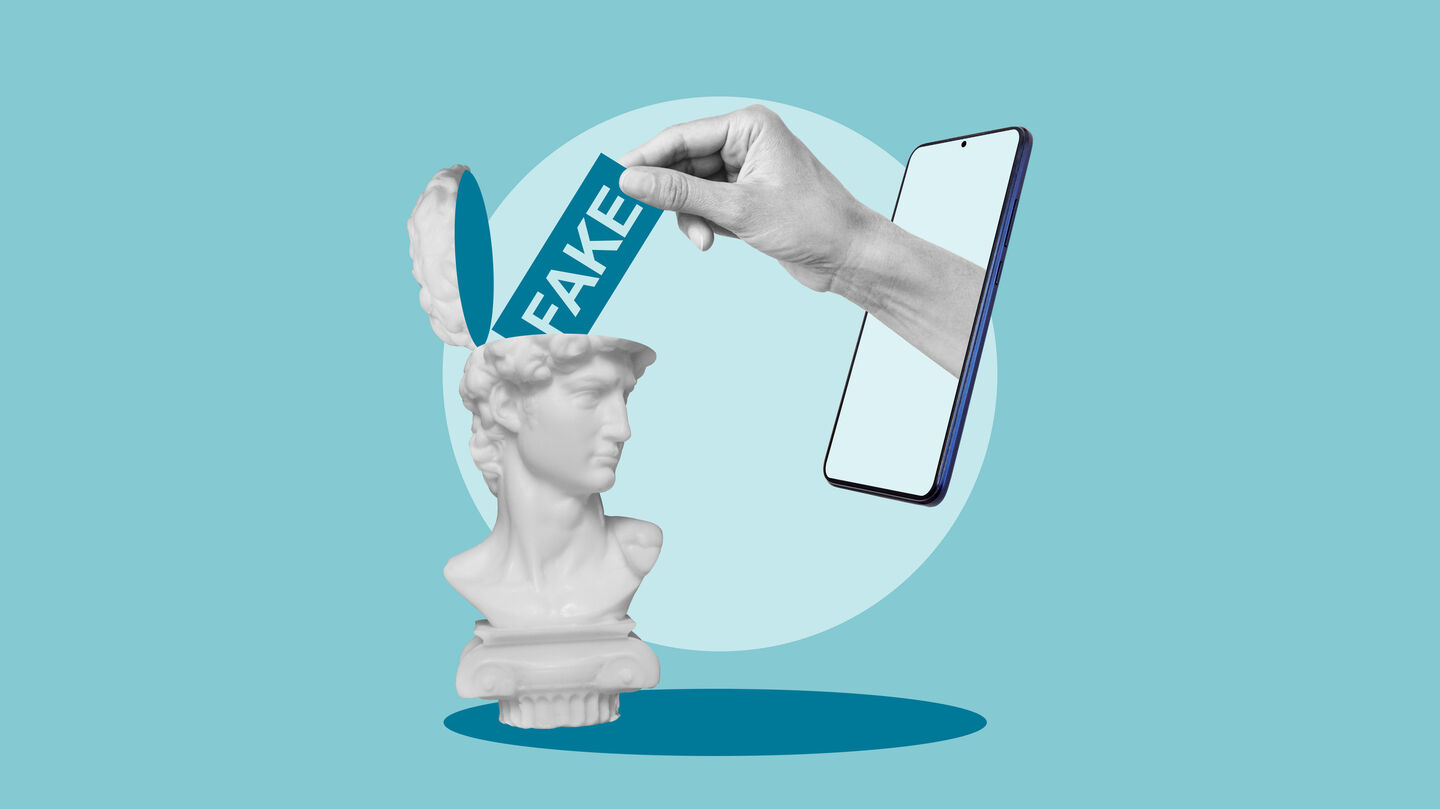
Sunscreen does not cause cancer, and vaccines do not cause autism. You can keep saying that endlessly, but if you want to debunk misinformation, it is better to take the underlying concerns seriously, according to the Rathenau Institute.
The wildest claims about climate change, vaccines, nutrition, migration, and other topics circulate on social media. Sometimes you just want to shout: don’t fall for it, here are the facts!
But according to researcher Anne-Floor Schölvinck of the Rathenau Institute, it is better to hold your tongue. Beware of alarmism, says the report Wikken en weten (in Dutch). Don’t say: it’s nonsense that sunscreen causes cancer. Instead, engage in a conversation about the concerns people have.
What is wrong with an “alarmist” fact-check?
“If you warn people about certain misinformation, you are also repeating it. That means the misinformation reaches all kinds of people who had never heard it before. And they do not remember the facts either. What they mainly think is: where there’s smoke, there’s fire. Vaccines, sunscreen … There was something wrong with those, they think.”
Doesn’t it reassure people?
“No, often it doesn’t. Drawing attention to the dangers of misinformation mainly causes people to distrust all news. That’s the backlash effect. They think: there’s so much junk out there, I might as well stop believing anything.”
So should you just shrug your shoulders when you encounter misinformation?
“That’s the other extreme. It is dangerous to ignore misinformation completely, because then you are essentially ignoring the people who are worried. Our message is: take their concerns seriously.”
What do you mean by taking concerns seriously?
“You can look at what people have in common. Whether I vaccinate my children or not depends on my trust in the science behind vaccines and in the institutions involved. But all parents want what is best for their child. You can focus on that more than on the factual claim itself. For example, tell people where they can find reliable information.”
Does that really help if someone believes the strangest messages on social media?
“Our research found no connection between distrust in science and the amount of time people spend on social media. What matters is the environment in which those messages land: people’s experiences and their basic outlook in everyday life. Sometimes people say that social media reduce science to ‘just another opinion.’ But we found no evidence of that.
So social media are not the problem?
“It helps if people do not rely exclusively on social media. It is good if they also read newspapers and magazines or listen to the radio, for example. A diverse media diet can help make people more resilient to misinformation.”
Isn’t it discouraging that people share so many bizarre messages?
“I am personally an optimist. In our focus groups, we have many conversations about science. These groups consist of randomly selected people, a cross-section of society, and I am always struck by how nuanced, open-minded, and thoughtful they are when talking about science. Their arguments are also very logical, and certainly not as loud or confrontational as what you sometimes see online or in the media.”
Yet sometimes it seems that nuance doesn’t stand a chance in the battle for attention.
“The discourse in the media is often alarmist, but there is a large group of people who strongly dislike all the shouting.”
How do you restore trust in science among someone who is already distrustful?
“The frustrating answer from a researcher is: we haven’t studied that yet, so we can’t say. But I believe you need to be interested in why people have come to believe certain things. Don’t focus on a single claim; look at their entire frame of reference.”
This article was translated using AI-assisted tools and reviewed by an editor.
Discussion