- Employee
- 4 min
- 23/11/2026
Jan Vleeshouwers steps down: “But unions are here to stay”
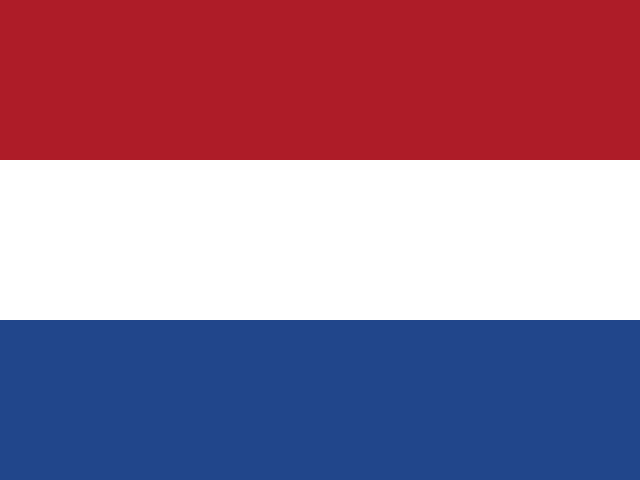
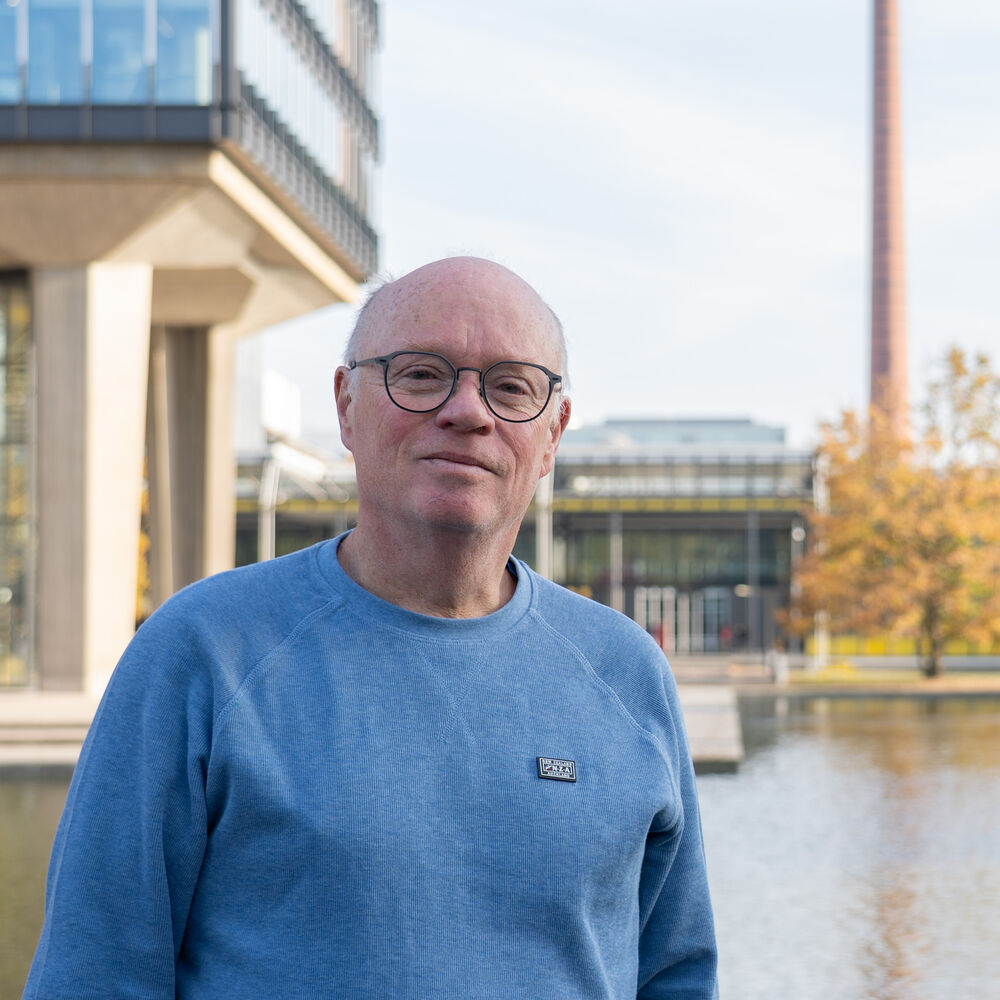
After a lifetime of working at TU/e, including ten years representing the FNV trade union, Jan Vleeshouwers is calling it quits. There is no successor ready to take over his duties as a union representative at the university. He does not consider himself indispensable, but he believes the unions are: “You can’t do without them.”
Vleeshouwers’ departure does not mean the university will be left without union representatives. Several representatives from FNV, AOb, and CNV will remain. However, the unions are losing a spokesperson and a familiar face. They are also losing a wealth of knowledge and connections: Vleeshouwers has been part of the TU/e community since his student days.
When his predecessor asked him ten years ago to take over the role within FNV, Vleeshouwers was still just an “ordinary” union member. As a student, however, he had helped establish the Dutch National Student Union (LSVb).
“That was in the 1980s. A lot of things weren’t going well at the time. University democracy was being eroded. We couldn’t stop that, but we felt we had to at least try to do something about it.”
Speaking up
Vleeshouwers has felt the urge to speak out since he was young. At first, he worked behind the scenes, but later he became more visible, including as a member of the Eindhoven city council.
“People sometimes say: speak truth to power. In other words, always challenge the forces driving things forward, from a shared perspective.” Over the past ten years, he has tried to do the same at TU/e, although he describes the cooperation with the Executive Board as relatively harmonious.
“That doesn’t mean there are no conflicts,” Vleeshouwers says. “But generally speaking, we agree on where we need to go. When there are bottlenecks, we can usually work things out quite well.”
The only time things really became tense was when the unions issued a public statement expressing their concerns about the situation surrounding former ombudsperson Anna Soedira.
“The Executive Board went on the defensive against the ombudsperson. When, in fact, they should have acknowledged that things were going wrong and addressed those issues. That didn’t happen.”
Accountable
Members of the Executive Board are only human, Vleeshouwers emphasizes. “They make mistakes, and they can be held accountable. So you have to call them out when necessary.” This, he believes, is why unions are needed within the university.
“You can’t do without representation for employees’ interests, and that’s what the unions provide.”
Every six weeks, the unions meet with the head of Human Resources Management (HRM) in a Local Consultation meeting. The HRM representative acts on behalf of the Executive Board.
“Often, HR comes to us with things they’ve arranged, and we identify areas where improvements could be made. We’re also a kind of sounding board.”
Not getting involved
The unions also talk to members of the university community and actively investigate matters when they suspect something is wrong, Vleeshouwers explains.
“My preference is not to interfere, but to ask: how are we going to resolve this? If there’s a role for us to play, that’s fine. But if something is going on within a department, a union isn’t the right party to get involved.”
If employees are at risk of losing their jobs, however, that’s a different story, according to Vleeshouwers.
“Then you’re dealing with something like a reorganization, and that’s when we immediately spring into action.”
Workload
The biggest issues over the past ten years have been workload and social safety.
“We actually had another meeting about workload this morning. It’s been an issue for so long.”
“Five years ago, we put together a whole list of proposals outlining what could be done about it. But in practice, you solve a problem in one place, and something else comes up somewhere else. I find that quite disheartening, and I don’t have much hope that things will change.”
The unions’ efforts often take place behind the scenes. Vleeshouwers believes there isn’t always enough awareness at TU/e of why unions are needed. According to him, only a very small proportion of employees belong to a union.
“Compared with other universities, Eindhoven is right at the bottom of the list. We sometimes joke that this proves how well we’re doing.” Vleeshouwers believes union membership is far too low.
“But the unions are here to stay. We’re seeing slow growth again now.”
Hesistant
Despite Vleeshouwers’ efforts to find someone to take over his central role, no new representative is ready to step in. He believes one reason is that few TU/e employees have the time to devote themselves to union work alongside their regular jobs.
“Another reason is that they’re a little hesitant to get into discussions with the university. When you represent a union, you’re sitting down with the Executive Board. That’s quite something.”
The role requires someone who is willing and able to have those conversations with the Executive Board, as well as someone who knows the university community well. Finding someone who ticks all those boxes has proved difficult, but Vleeshouwers remains confident that things will work out.
“Maybe not immediately, but someone else will come along.” He adds: “I’m not indispensable, and I'm not disappearing completely either.”
If he had one last chance to encourage potential candidates to take on the role, what would he say? “You’d be doing the university community a great service. If you want to contribute, this is a perfect place to do it.”
This article was translated using AI-assisted tools and reviewed by an editor.
Discussion