
- Student
- 30/01/2026

Totem and Zephyr finish second at Sydney gaming tournament
The Eindhoven-based student teams Totem Game Dev and Zephyr could not resist when they heard about an academic gaming competition in Sydney. The TU/e students joined forces as game developers and players, finishing second with a game inspired by Aboriginal culture.
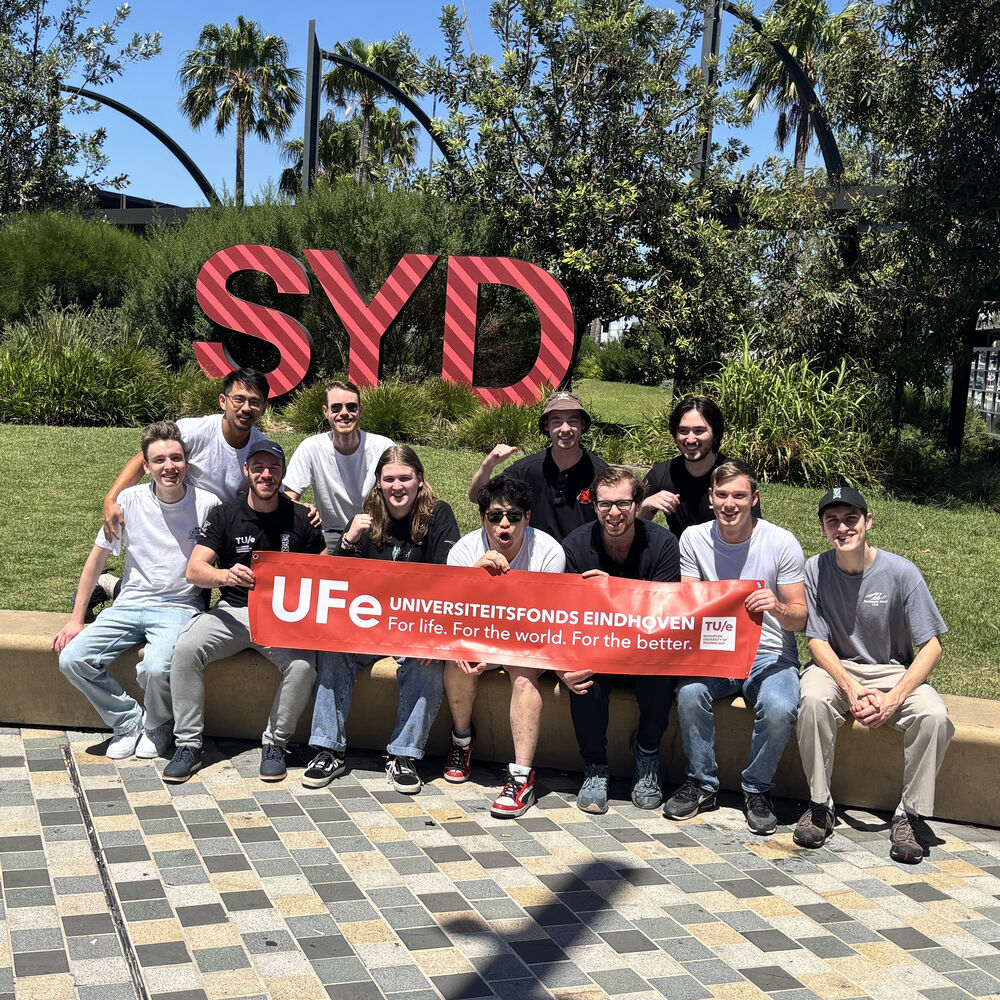
More than 75 students from eight universities across North America, Europe, Asia, and Australia took part in the Academic Esports World Tournament. For this occasion, the TU/e student teams Totem Game Dev—focused on game development—and Zephyr—an e-sports team—combined into a single team.
Over the course of five days, the students had to design a game (a game jam), compete in gaming tournaments, develop and present a business case, and take part in an academic debate. The teams received no information beforehand and were unable to prepare.
Wildcard
Totem and Zephyr heard about the competition through a former team member. To participate, they had to apply for a wildcard, which they received a month before the tournament started.
“We didn’t know what to expect in terms of players or the level of the other teams,” says Zephyr team leader Steven van Kessel. “We’re proud of our results, because we were competing against former professionals. One university from the U.S. even had a full team of students who all had scholarships based on their e-sports performances.”
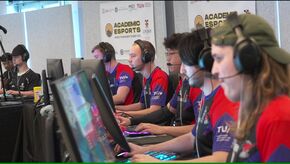
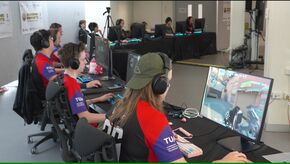
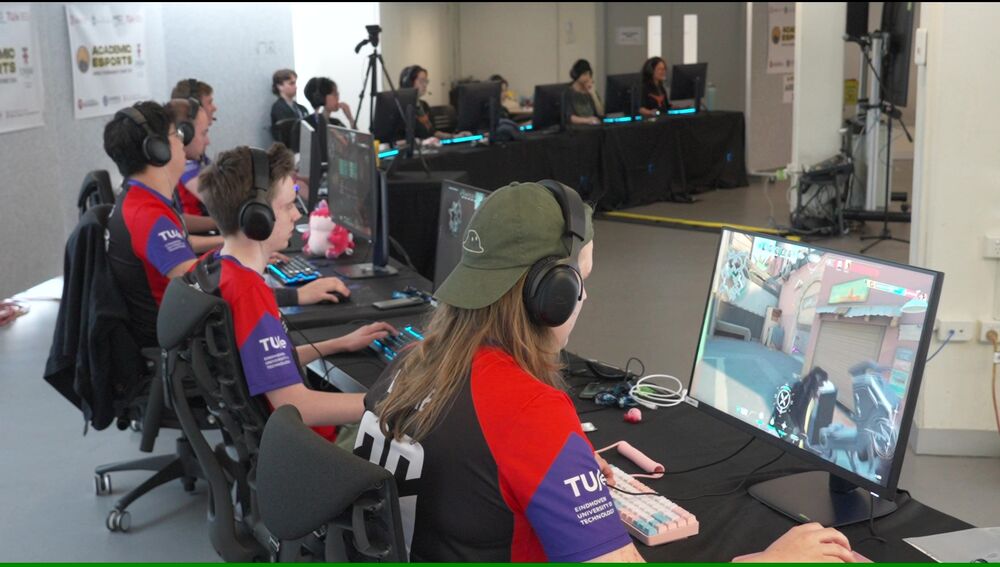
The e-sports round consisted of three matches in League of Legends, Valorant, and Rocket League. The team placed fourth, second, and third respectively, which earned them third place in the overall standings.
After the business case, the debate, and the game jam, the team moved up to first place. In the end, they lost the e-sports final during a match of Teamfight Tactics and finished second overall.
Uncle Ron
In between the e-sports matches, the teams worked on their business case and developed a game. Totem Game Dev team leader Maarten Hundscheid explains: “We had to divide our time as efficiently as possible between those two assignments.”
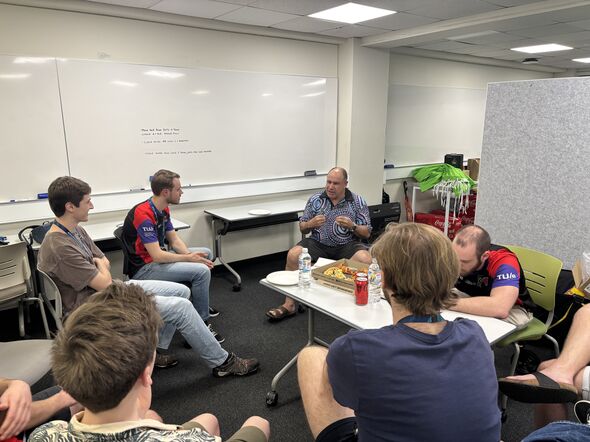
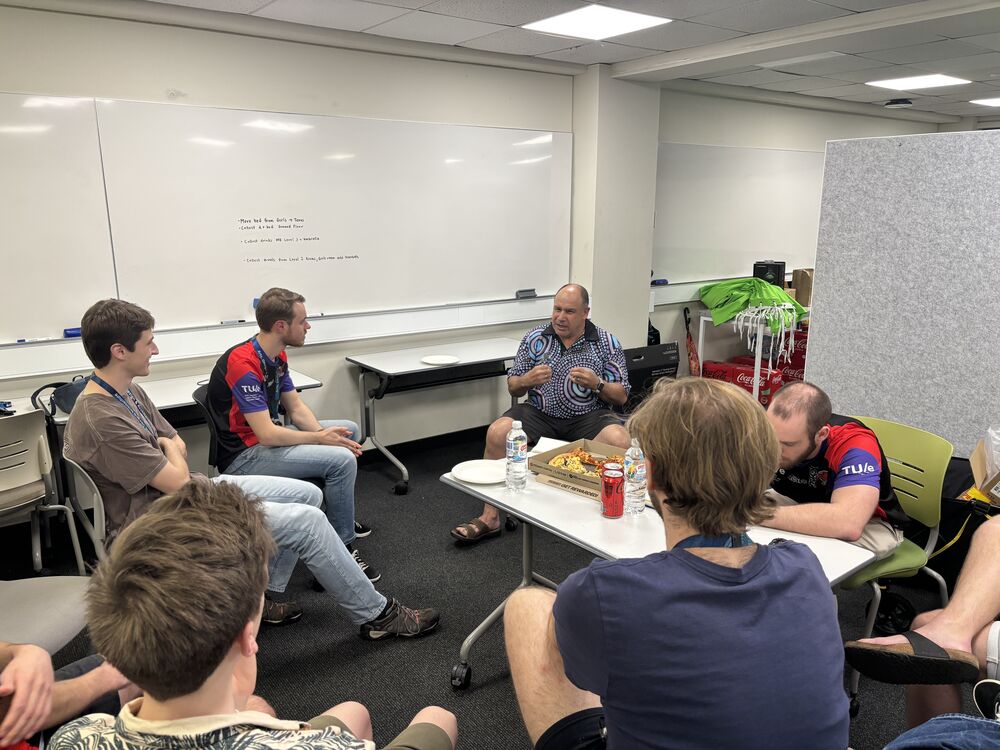
For their game, the team spoke with Uncle Ron, a representative of the local Aboriginal community, who welcomed all teams on the first day. They were inspired by his story. Hundscheid: “We talked with him about his culture: what he values most about it and how he views the history of Aboriginal people. We tried to incorporate as much of that as possible into our game.”
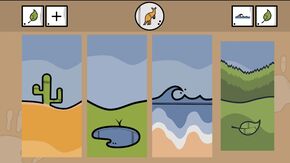
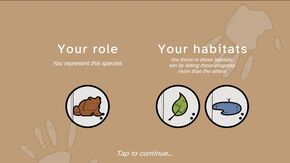
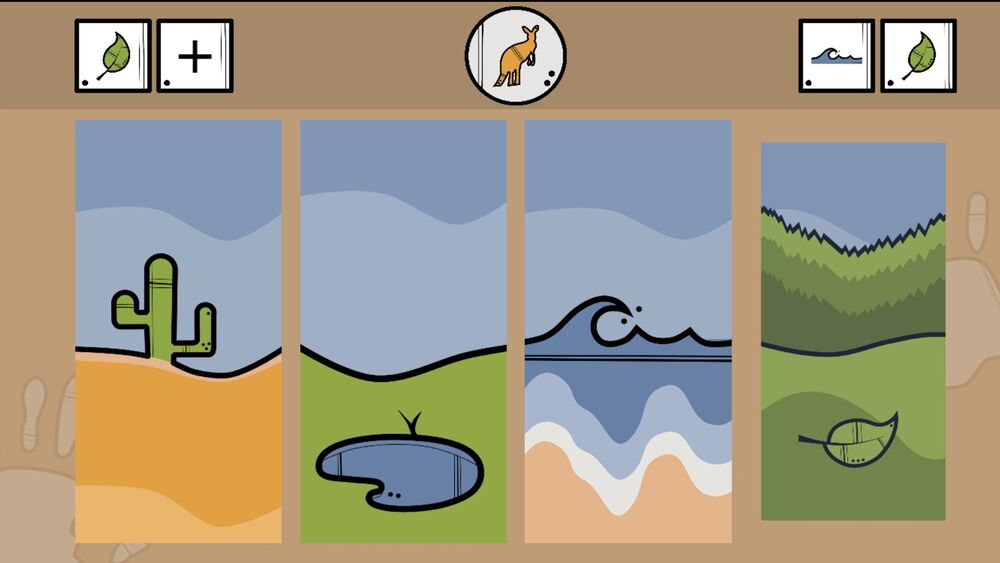
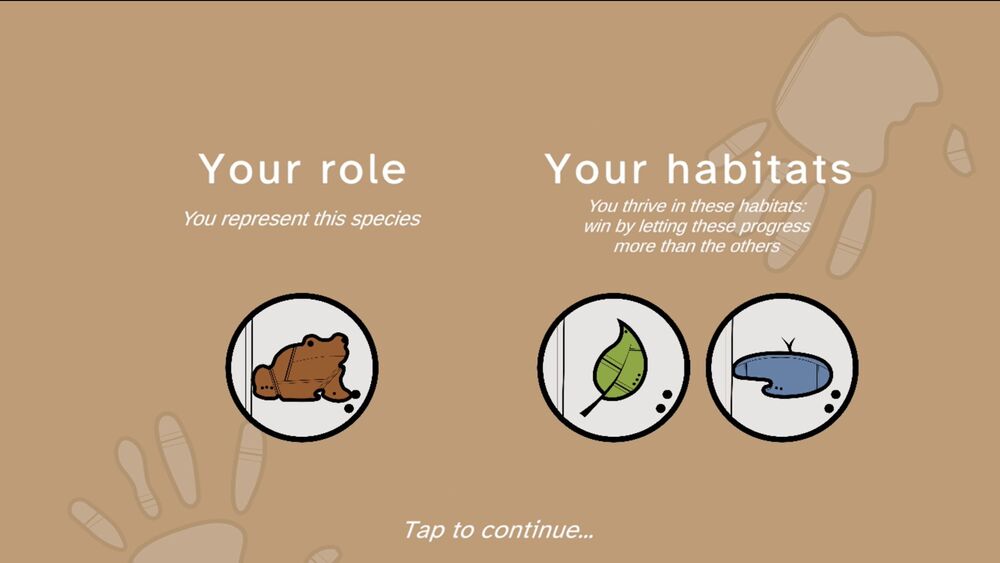
The game is called Baranyi Yagu, which can loosely be translated as “present, past, and future.” “It’s both a cooperative and a competitive game,” says Hundscheid. “Players have to work together to keep an ecosystem in balance, but they also want to end up as the strongest team. However, if you focus too much on your own team, the entire ecosystem collapses and everyone loses.”
Learning from each other’s cultures
For the business case, the students had to come up with a new environment where digital interaction could take place, in addition to at home or at work. Hundscheid: “We came up with a digital environment for the classroom, where children can learn about each other’s cultures by playing mini-games. For example, a cooking game in which you prepare dishes from someone’s home country together.” The team finished second with their idea.
The academic debate focused on the privatization of e-sports. “We had ten minutes to prepare, without our phones,” says Hundscheid. “We thought we hadn’t done very well, but in the end we still placed fourth.”
Words of praise
During the closing ceremony, the organizer had words of praise for the team. Not only because of their second-place finish, but also because of the atmosphere they brought to the event.
“I would like to thank Eindhoven in particular, because you took the lead in a number of ways. I was moved by how you reached out to Uncle Ron and took the initiative yourselves to learn more about the heritage and cultural history of this place. You brought energy, music, and singing to this competition. You fought until the very end, and it was a real pleasure to have you here.”
It quickly becomes clear what the organizer means when the team starts chanting the familiar “Tu du du du, Eindhoven!”
Travel
Beforehand, it was uncertain whether the students would even arrive in Sydney in time to participate. Within a month, they had to arrange visas, book flights, and—not unimportantly—secure funding to (partly) cover the trip. Thanks to the University Fund Eindhoven, the Student Sport Center, and the TU/e innovation Space, they managed to make it happen.
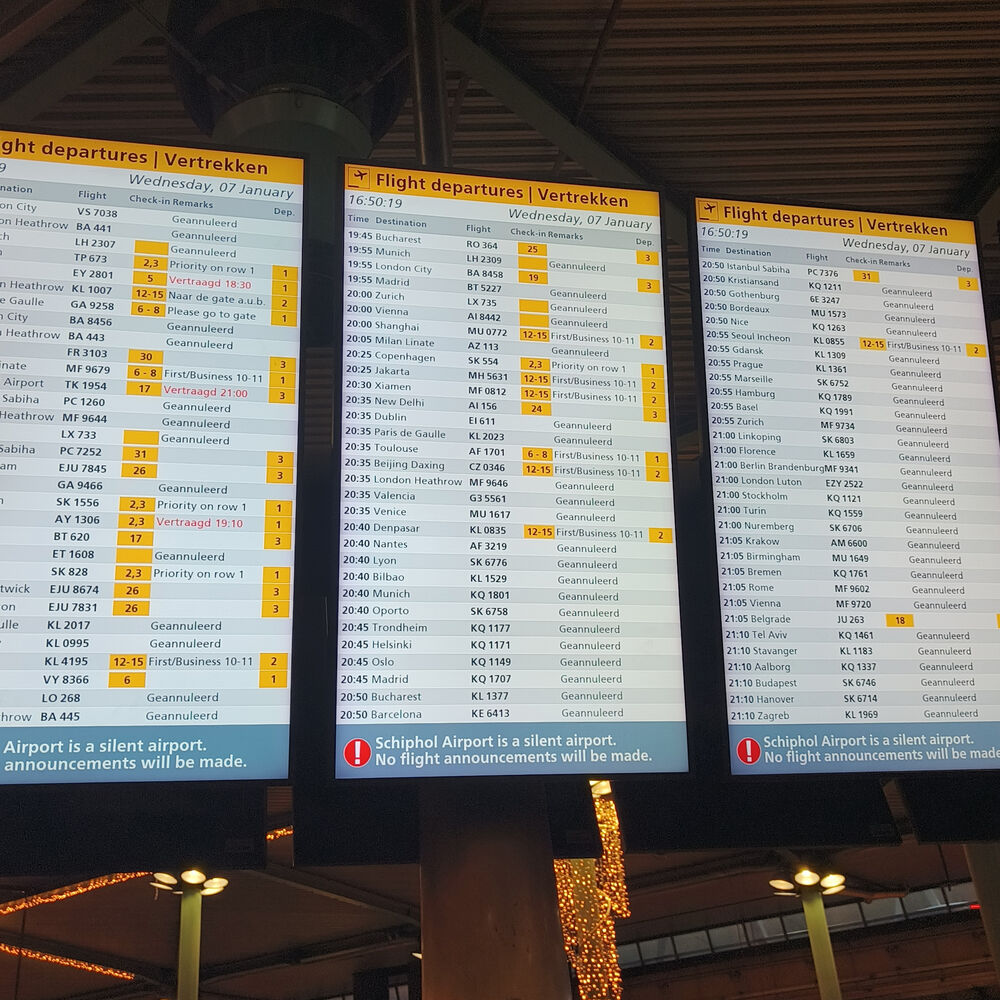
The team left on January 7, when much of the Netherlands was paralyzed by winter weather and almost no planes were taking off from Schiphol Airport. Hundscheid: “When we arrived at Schiphol, nearly every flight had been canceled—except ours.”

Kangaroo and karaoke
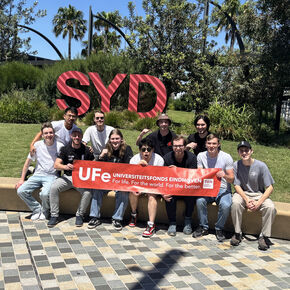
Before the competition began, the students had some time to enjoy the beach and the sea. They stayed in a dormitory on the campus of the University of New South Wales. During the tournament, they got very little sleep. One night, they even stayed up all night to work on the game. After it ended, they went to a karaoke bar with the other teams.
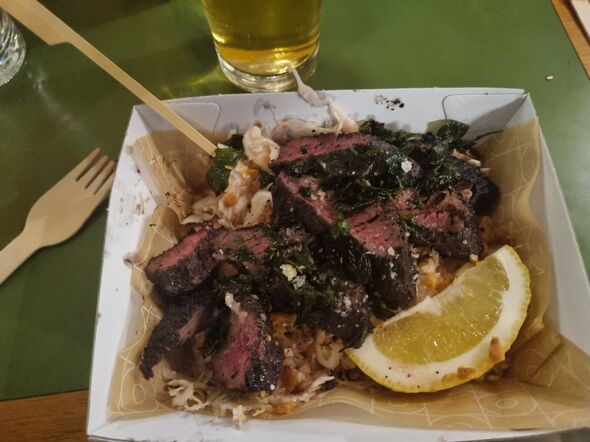
“We also decided that we absolutely had to see at least one kangaroo,” Van Kessel adds. “And we did.” For those who are curious: the animal tasted like beef.
This article was translated using AI-assisted tools and reviewed by an editor.


Discussion