
- Student
- 26/02/2026
Politicians seek students’ voice—and their vote
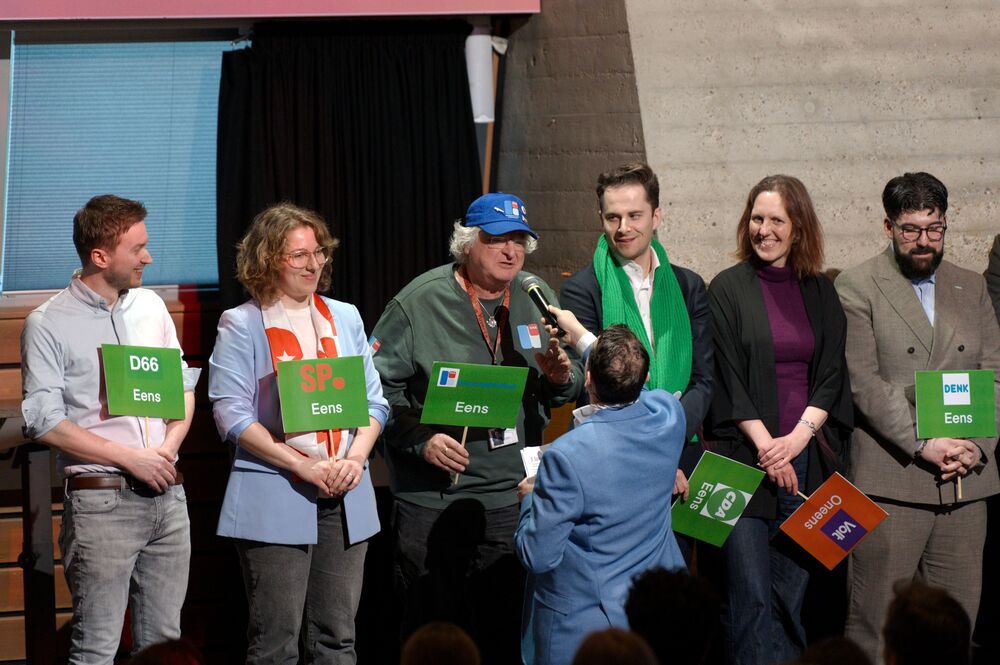
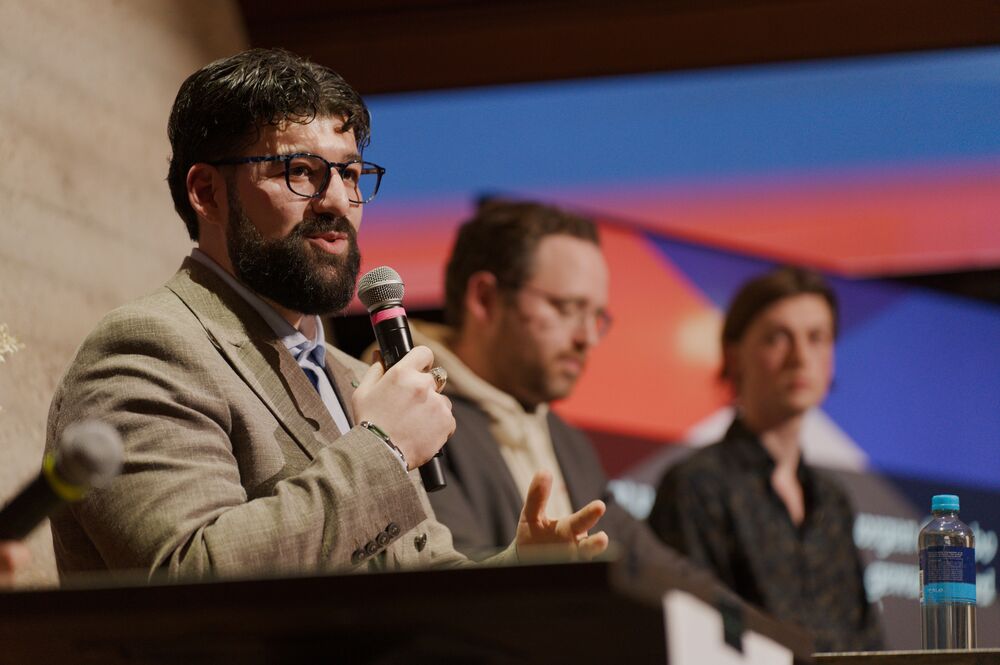
No fewer than twelve Eindhoven city council candidates took part in the election debate organized by students from TU/e, Fontys, and Summa. The debate, titled The Voice of the Student, took place Wednesday evening at the BUNKR. “This gives me a stepping stone toward the March 18 elections,” one attendee says.
Students make up a relatively large group of eligible voters in Eindhoven. TU/e student Gabriël Nusselder, who organized the debate together with an HBO student from Fontys and a MBO student from Summa, estimates that twenty thousand students in Eindhoven are eligible to vote for city council candidates.
“We’re organizing this debate together because it allows us to send a strong message to the city council.”
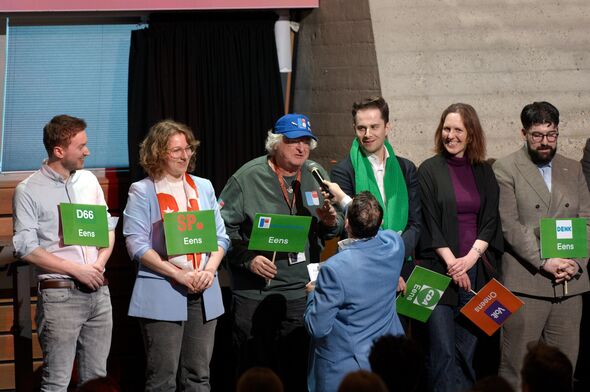
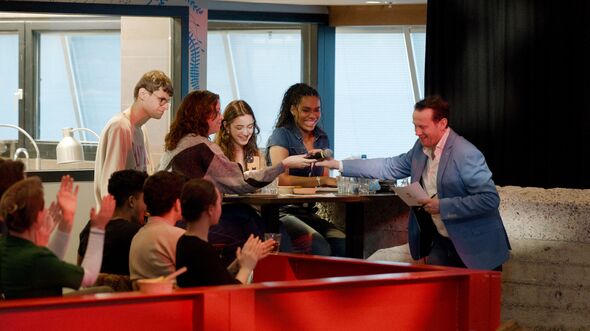
The Eindhoven politicians are eager to engage with students, as they themselves point out several times. The audience at the BUNKR consists of about forty members of the TU/e community, forty MBO students, and twenty HBO students. In addition, each speaker has brought three fellow party members to continue conversations with potential voters after the debate.
Program
Debate leader Perry Vermeulen (communications officer at Summa and politically active in Helmond) sticks strictly to the schedule. Over three rounds, the candidates are given a maximum of thirty seconds to introduce themselves to the audience. In between, videos are shown in which a student from each institution asks a pressing question.
“How will you ensure there is enough affordable student housing, especially for internationals?” asks a Finnish TU/e student. “How will you make our streets safer?” a Fontys student wants to know.
A Summa student notes that MBO students keep Eindhoven running before asking: “What will you do to make sure MBO students are visible and feel valued?”
They are almost open doors; there isn’t a single politician who doesn’t want affordable housing, who isn’t in favor of a safe city, or who considers MBO students less important. There is not enough time to explain concrete plans in detail.
One party takes a clear and distinct stance on the student housing issue: Forum voor Democratie believes housing should be allocated to Dutch nationals first.
Misinformation
At the front sit four journalism students from Fontys with a special assignment. Over the coming week, they will fact-check the statements made by politicians that evening. “To hold those in power accountable and correct misinformation,” one of them says. “Unfortunately, we’re hearing more opinions than facts.”
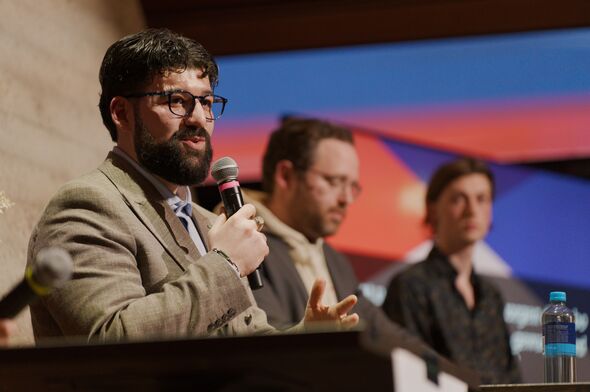
She does plan to verify whether there are indeed 188 homeless or unstably housed young people in Eindhoven, as Ouderen Appel claims. She also wants to check DENK’s statement that the internship allowance for MBO students is lower than that for HBO and university students.
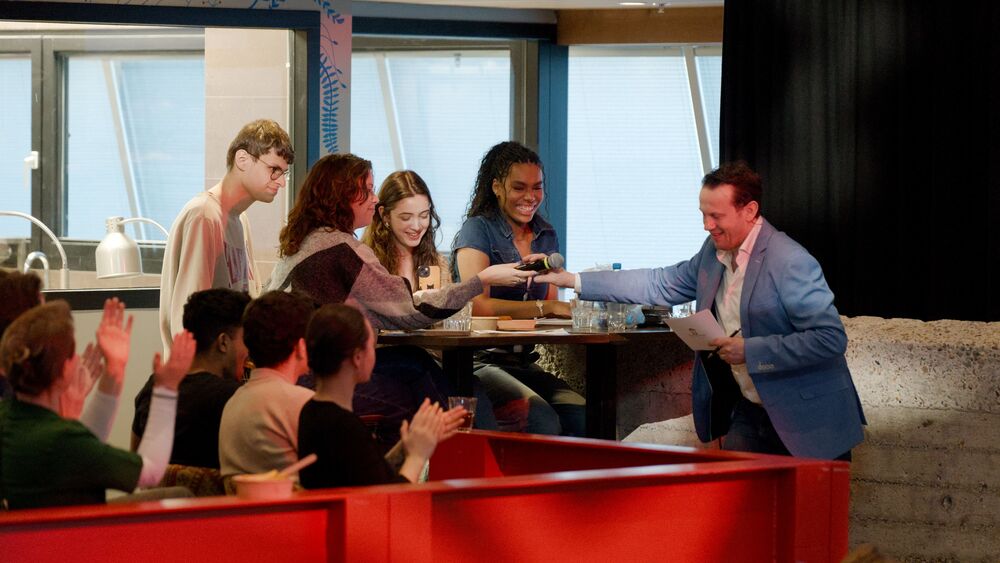
Spontaneous questions from the audience address Eindhoven’s dependence on ASML, polarization, waiting lists for mental health care, and students of compulsory school age who are staying home. The lead candidate of Eindhoven voor Elkaar admits honestly that he does not know how to prevent students from leaving school without a diploma, but says he is very pleased with the question.
“Your participation is crucial for a proper governance of the city. And it’s also important that you vote on March 18.”
StemWijzer
TU/e students Floor van der Velden and Norine Rijksen are certain they will vote. “To be honest, we didn’t come to the debate on our own initiative, but because we know one of the organizers. Still, I’m really glad I came—it was very useful. For the first time, I’ve really looked into local politics. It’s a good stepping stone.”
At home, Van der Velden also plans to consult the StemWijzer and read party platforms. Rijksen is less enthusiastic about that.
“This debate format appeals to me more. Here, every party was given the same opportunity to present their views. And instead of simply telling their own story, they were required to respond to others’ statements and to questions from the audience. That feels fair.”
Discussion