
- Research
- 06/03/2026
TU/e projects nominated for Klokhuis Science Award
Dancing cardboard, virtual hugs, and a special incubator for extremely premature babies: three TU/e projects are in the running for this year’s Klokhuis Science Award. Each project shows how science can be made creative and accessible for children. The winner will be announced on Sunday, March 8, during the InScience Film Festival.
This Sunday, the Klokhuis Science Award will be presented in Nijmegen—a Dutch annual prize for captivating scientific research that is understandable and interesting to children aged 9 to 12. The goal of the award is to make science accessible to a young audience, with the winner receiving their own episode of Het Klokhuis. Among the ten nominees this year are three projects involving TU/e researchers.
Cardboard costumes
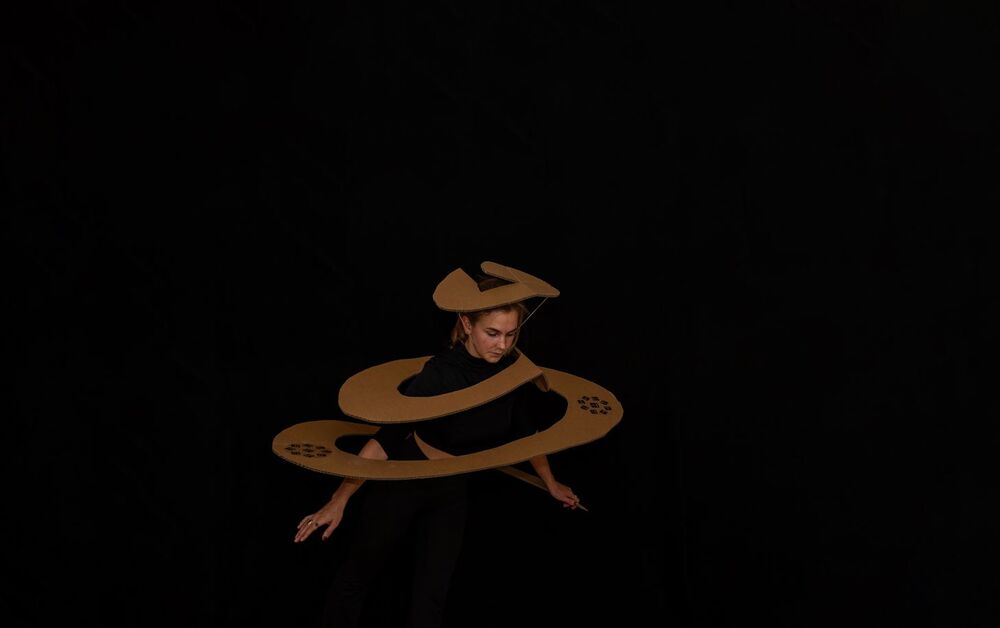
One of the nominees is the project by Juliette Klink, now a master’s student in Innovation Management at TU/e. During her bachelor’s in Industrial Design, she developed three cardboard skirts and asked dancers to perform in them. She then asked the dancers to report how it felt. “One of the costumes, for example, made it difficult to move their arms,” Klink says.
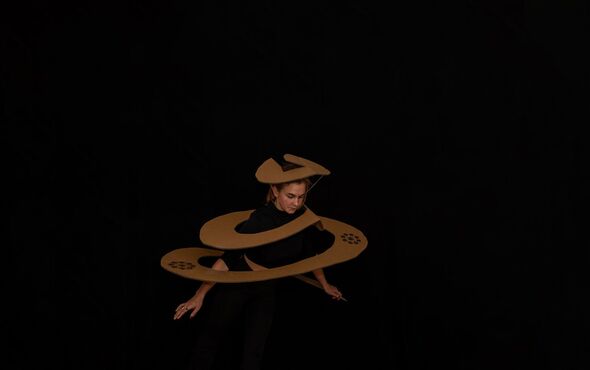
She also had computers “watch” the dance to study how the clothing affected movement. To do this, she developed a program that allows a computer to see and measure the impact a costume has on motion.
Klink has always been passionate about dance. “I’ve been dancing almost as long as I can remember,” she says. In her research, she combined her two big passions: design and dance. “I tried to explore how clothing and the body interact to create new movements, and how these movements can be perceived in different ways.”
She is thrilled to be nominated, especially as the only student among the nominees. “I’ve always loved watching the show, so it’s amazing to be part of it now,” she says. “It’s also incredibly inspiring to be nominated alongside so many established scientists.”
The power of touch
The second project is a group effort from several Dutch universities, including TU/e. “For years, we’ve been studying the effects of touch,” explains Antal Haans, associate professor at TU/e’s department of Industrial Engineering & Innovation Sciences.
“Human touch is a natural and essential form of social contact,” Haans says. “When this form of contact disappeared due to strict measures during the COVID pandemic, we often talked about ‘skin hunger.’” Social touch is known to have positive effects on tension, stress, and health. “Some researchers even suggest that you need nine hugs a day to feel good.”
“At TU/e, our Human-Technology Interaction group is exploring whether we can develop technology to provide remote touch,” Haans continues. “For example, you could send someone a virtual hug. We are also studying whether touch delivered by robots can have the same beneficial effects.”
A key question in the research is how people respond to touch. While the question sounds simple, the field is highly complex. “Not all touch is positive. It can vary per person and it depends on the context,” Haans explains. “Sometimes touch can make you nervous, for example, if it’s perceived as inappropriate or dominant.”
Within the Dutch Touch Society research group, scientists aim to find out which forms of touch work best and how they can be applied, for example in healthcare. Touch could help patients during stressful procedures or even help reduce pain.
A safe place for premature babies
The third nominated project focuses on the care of extremely premature babies. TU/e researchers Myrthe van der Ven (Biomedical Engineering) and Juliette van Haren (Industrial Design) are collaborating with colleagues and the Máxima Medical Center to develop an incubator that allows babies born at 24 weeks to remain immersed in artificial amniotic fluid for a period of time.
The incubator mimics the environment of the womb so that fragile organs can continue to develop. “For example, the lungs aren’t immediately exposed to air, giving them more time to mature,” Van der Ven explains.
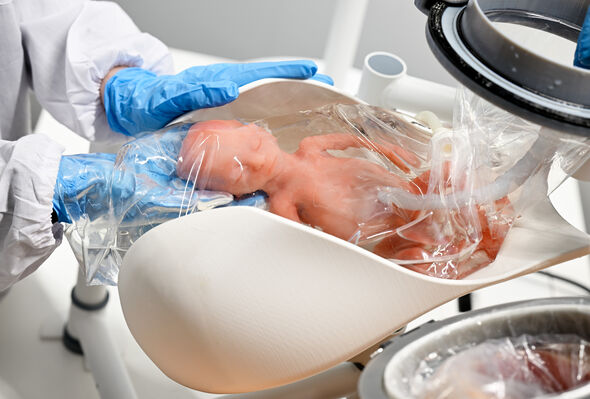
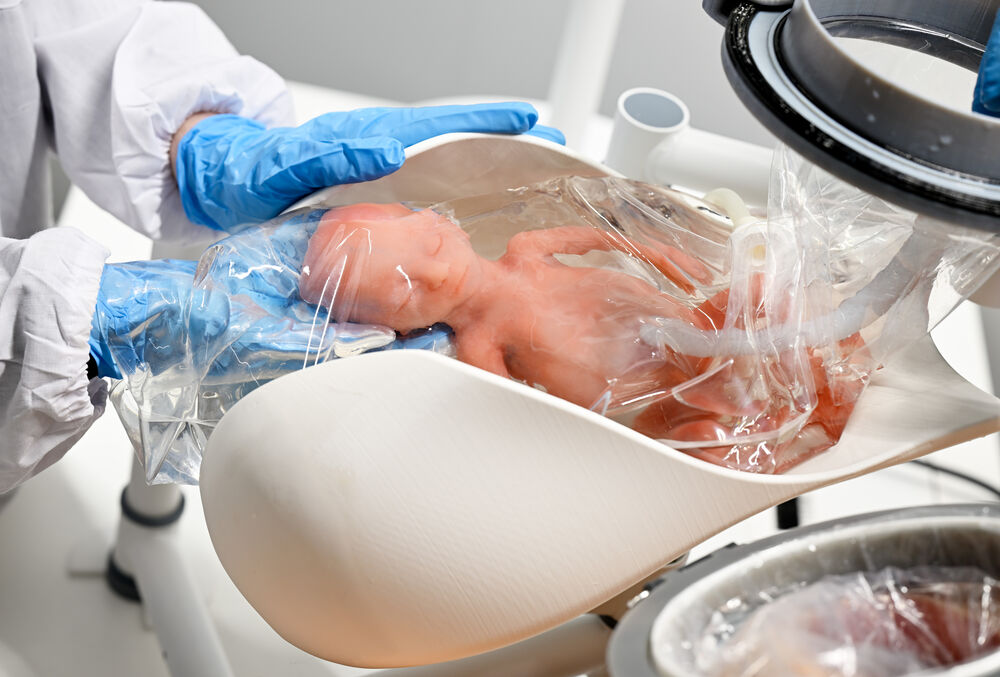
The interdisciplinary research has been continued for a year within the start-up AquaWomb. The goal is to eventually use the technology in hospitals. But first, safety must be thoroughly tested through simulations and animal studies. “You need a lot of evidence before you can move into medical practice. But if we secure funding, we’ll make it happen,” Van der Ven says.
Van der Ven and Van Haren are excited about the nomination and are looking forward to the award ceremony. During the Meet the Researcher program, they will show their prototypes to young visitors. “A few hundred kids will come, and we’ll need to explain what we do,” says Van der Ven. Fortunately, she already has a test audience at home. “I have children in that age group, so I often tell them what I’m working on,” she says with a smile. “They’ll be coming on Sunday too.”
The winner of the Klokhuis Science Award will be announced during the InScience Film Festival: Meet the Researcher, on Sunday, March 8, at Bibliotheek Mariënburg in Nijmegen. Voting is open until Sunday, March 8 via this site.
This article was translated using AI-assisted tools and reviewed by an editor
Discussion