- The University
- 5 min
- 16/10/2026

ID: a pioneering department celebrates its 25th anniversary
“Industrial Design aims to bridge the gap between technology and society"
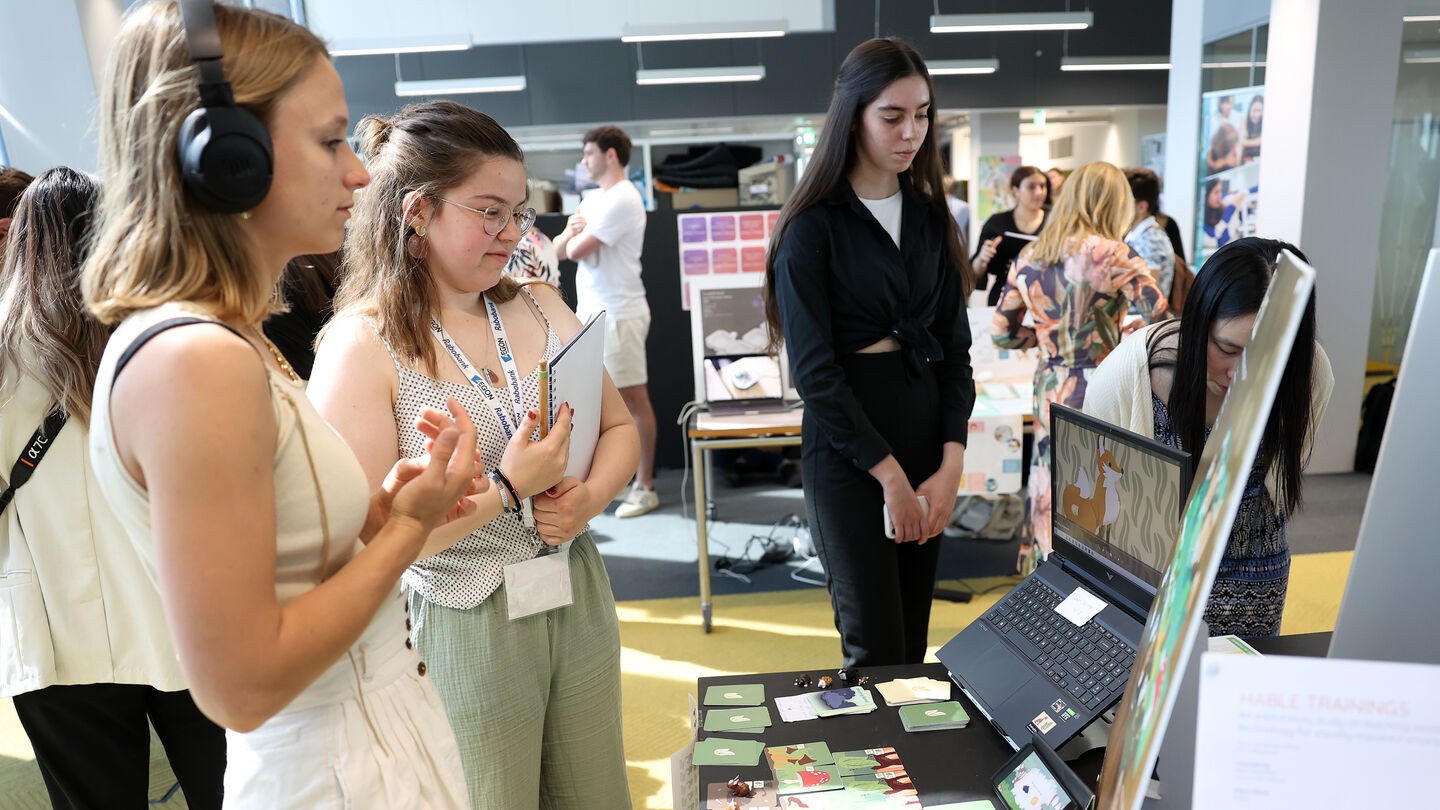
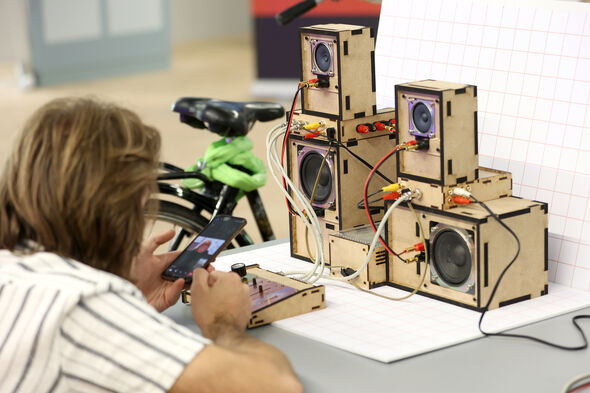
When you think of Industrial Design, you think of Demo Days. From the very beginning, it has been important to give students the opportunity to showcase their designs to a broad audience of stakeholders. By its own account, ID has always been a progressive TU/e department. This academic year, it celebrates its 25th anniversary.
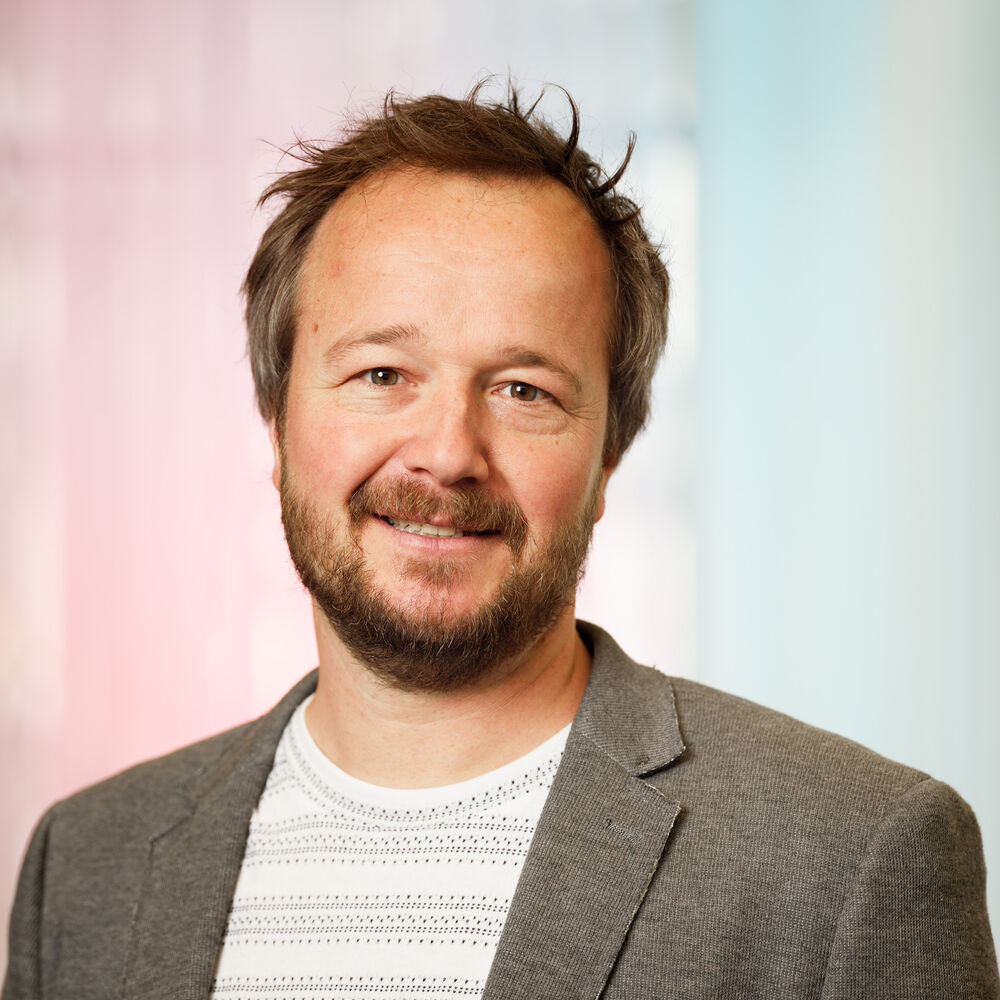
To look back at the history of the TU/e department of Industrial Design, Cursor spoke with two people who have been there from the very beginning. One joined as a guest lecturer from Philips Research and became a professor of Design for User Experience in Ambient Intelligent Systems and interim director of education in 2003. That was Berry Eggen.
The other is Stephan Wensveen, now vice dean and research director, who joined TU/e as a PhD candidate from Delft a quarter of a century ago because his entire research group was moving to Eindhoven.

Berry Eggen: “ID was established as TU/e’s ninth department in response to demand from companies in the surrounding region for people who could connect technology with the design of intelligent systems, products, and related services. The initiative to establish ID came from a steering committee comprising stakeholders and thought leaders from industry, academia, and the design profession. Researchers from Mechanical Engineering, the Institute for Perception Research, and the Embedded Systems Institute represented TU/e.”
“I was researching intelligent systems at Philips Research and became involved as a guest lecturer. The first research group, Designed Intelligence, focused on smart technology. It was later joined by three complementary research groups focusing on users (UCE), design (DQI), and business (BPD), respectively.”
Demo Days and CBL
The first seventy students, who enrolled in 2001, were essentially taught in the same way as students are today. Fun fact: ID is the only TU/e department that has taught in English from the outset. Students choose many of their own courses and projects through Self-Directed Learning.
At the end of each semester, during the examination period—known in ID terminology as the assessment period—instructors evaluate students’ progress in their courses and how well they integrate the knowledge they have acquired into their projects. Instructors assess the evidence submitted by students against a competency model.
From the outset, projects were proposed by companies in the Brainport region. Companies wanted to know what smart systems and products of the future might look like if designed by students for their businesses. According to Eggen, this was Challenge-Based Learning (CBL) before the term became commonplace.
He remembers the first ceremony awarding students their propaedeutic certificates as one of the milestones. “After that, the Bachelor’s Final Projects were introduced, and work began on designing the master’s program. It was decided that students should have the opportunity to complete an internship in industry, a crucial element in the development and education of designers.”
Another area in which Industrial Design was ahead of its time was the focus on students’ personal development. “For a designer, a strong professional identity and a clear, inspiring vision of society are essential,” Eggen says.
Learning as we go
In Eggen’s view, the early years—which lasted until the first research evaluation—were an exciting and rewarding time. In 2018, the department further expanded and reorganized its research, moving from four research groups to two: Future Everyday and Systemic Change.
From 2015 to 2019, Industrial Design was based in the Laplace building (now Neuron). The department had to move because its original home, the Hoofdgebouw, was being transformed into Atlas.


NWO
Two years ago, design researchers from the four Dutch faculties of Industrial Design Engineering—the oldest in Delft, the newer programs in Eindhoven and Twente, and the youngest in Wageningen—received recognition from the Dutch Research Council (NWO). The NWO guides scientific research policy and funds leading researchers.
“That recognition took time, and it is important. The problem was that for a long time, it was unclear which research domain was the best fit for our researchers: the Applied and Engineering Sciences (TTW) or the Social Sciences and Humanities (SGW). The 4TU Federation worked hard to secure recognition for Industrial Design Engineering as a discipline, and that means a great deal to us,” Stephan Wensveen says.
A celebration of its own
ID is celebrating its 25th anniversary in style. The celebrations began in September. In October, the department held a family day, and a separate celebration for the LUCID study association is planned for January. LUCID’s anniversary falls a little later than the department’s. “You need students before you can establish a student association, of course,” Wensveen says.
The main celebration, featuring a symposium and an exhibition, will take place from October 17 through 25, spanning a week with two weekends around it. The dates were deliberately chosen for the week after TU/e’s anniversary celebrations and, importantly, coincide with Dutch Design Week.
The ID25@Atlas exhibition features eighty projects on floors 8, 4, and 2 of the Atlas building. On October 22, a symposium will be held in the Blauwe Zaal at the Auditorium. Its purpose is to explain the importance of ID to the TU/e community.
Wensveen says: “People often think we just work on creating beautiful objects from beautiful materials. But the fact that we are genuinely trying to bridge the gap between technology and society often does not come across clearly enough. At the symposium and in the exhibition, we are saying: ‘This is what we stand for, this is what we do, this is the Eindhoven Approach.’”
Discussion