- The University
- 3 min
- 17/09/2026
Hundreds of attacks on academic freedom worldwide
Incidents in 59 countries, but some signs of recovery too
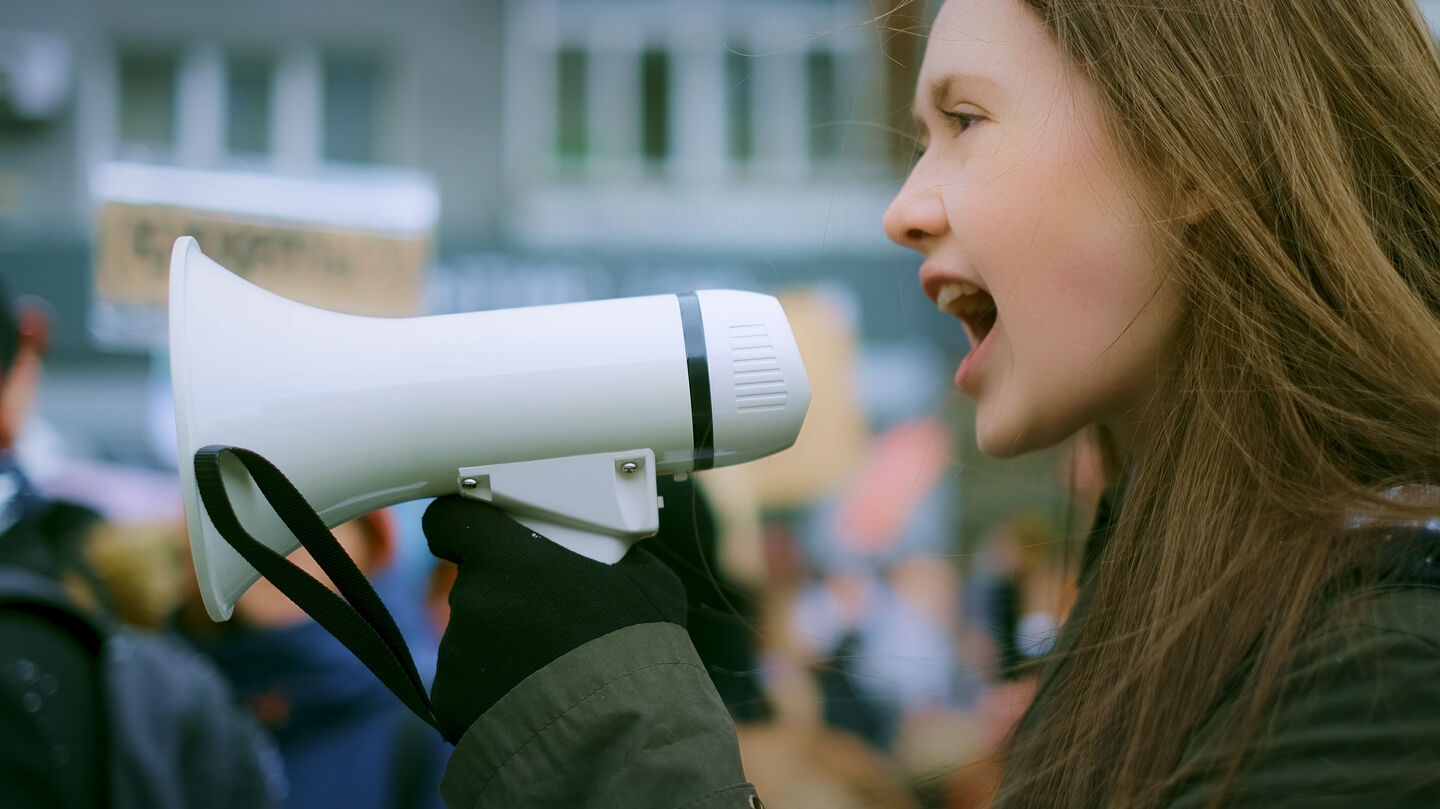
From government interference in curricula to violent police crackdowns on student protests: there were 382 “attacks” on academic freedom worldwide over the past year, according to Scholars at Risk.
Earlier this year, the Academic Freedom Index already showed that academic freedom is under pressure worldwide. Scientists and scholars have less and less room to conduct research freely, and students cannot always protest safely.
A new report by Scholars at Risk (SAR) confirms this. Since 2015, the organization has mapped so-called “attacks” on the freedom of academics, students, and educational institutions every year. In total, SAR recorded 382 incidents in 59 countries over the past year.
Almost half of these involved direct forms of violence. Police, for example, used force during several student protests in India, Serbia, and Indonesia, including tear gas, rubber bullets, and water cannons. In countries such as China and Russia, academics were arrested and imprisoned.
But academic freedom also comes under pressure when governments interfere too heavily in education and research, for example by determining what research may be conducted or what should be included in the curriculum.
India
The largest number of incidents this year took place in India, where a total of 42 attacks were recorded. According to SAR, the government is heavily involved in the administration of universities, and academic freedom in the country has been “completely curtailed.”
For example, lecturers who speak out freely are dismissed, while student protests are met with heavy-handed police action. In several incidents, student activists were taken away by police, detained, and even tortured.
Nevertheless, the EU wants to work more closely with India, European Commission President Ursula von der Leyen said in January. The country will likely be allowed to participate in Horizon Europe.
Iran
Academic freedom in Iran has been severely restricted for two decades, but according to the report’s authors, it is now at an all-time low. Large-scale student protests at the beginning of this year were violently suppressed, and several students and academics were arrested. In some cases, they were executed.
In addition, more than 30 universities and other educational institutions were damaged by US and Israeli attacks on Iran. Lecture halls, laboratories, libraries, and data centers were among the facilities affected.
United States
The United States is also mentioned frequently in the report: SAR recorded a total of 40 attacks on academic freedom there this year. The Trump administration is putting heavy pressure on universities: grants are being withdrawn, researchers are required to comply with strict guidelines, and lecturers are not free to teach about topics such as racism and gender. In addition, several employees lost their jobs after making critical comments about the death of Charlie Kirk.
Netherlands
The Netherlands is not mentioned by Scholars at Risk this year. Nevertheless, academic freedom is also declining here, according to the Academic Freedom Index. The Netherlands now scores lower than most EU countries; only Greece, Romania, and Hungary score lower.
In previous years, SAR repeatedly documented violent police action during pro-Palestinian protests. But according to the organization, pro-Palestinian activists also contributed to a sense of insecurity on campus, including by vandalizing university buildings.
Hopeful
Overall, academic freedom has declined substantially in more than 50 countries, while it has increased in only nine. Nevertheless, the report’s authors remain hopeful: in some countries, they see signs that academic freedom can recover.
They point to Brazil as an example, where academic freedom declined sharply under the government of President Jair Bolsonaro. Under a new administration, however, it recovered: investment in research resumed and university autonomy was strengthened. Academic freedom there is now reportedly even greater than in the Netherlands.
The authors are also “cautiously optimistic” about the new governments in Bangladesh, Venezuela, and Hungary.
This article was translated using AI-assisted tools and reviewed by an editor.
Discussion