
- Employee
- 7 min
- 24/09/2026

To sign or not? Code of conduct gets resistance and support
“It’s unfortunate that we’ve reached this point”
All employees received an invitation this month to sign TU/e’s code of conduct. Some welcome the new code, while others have reservations and have yet to respond to the request to sign it.
The code of conduct clarifies for employees and students what behavior is considered acceptable and unacceptable at TU/e. The members of the Executive Board were the first to sign the document, during the university’s internal opening of the academic year. Since then, all employees have received an invitation through the InSite personnel system to do the same.
Some employees have signed the code. Some simply checked the box in InSite right away, while others did so with some hesitation or added reservations. There are also members of the TU/e community who have not signed it yet, or do not intend to sign it at all. The latter group can expect an invitation to meet with their supervisor to discuss their refusal.
Cursor spoke with members of the TU/e community to find out how the code of conduct (CoC)—and, in particular, the request to sign it—has been received.
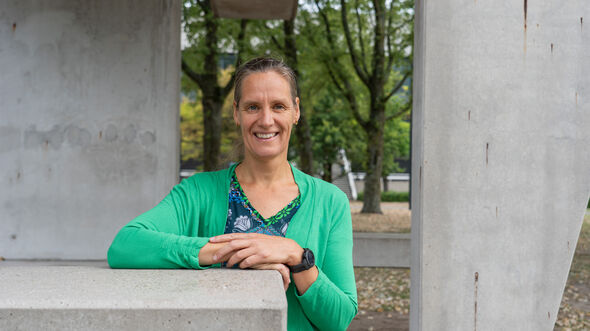
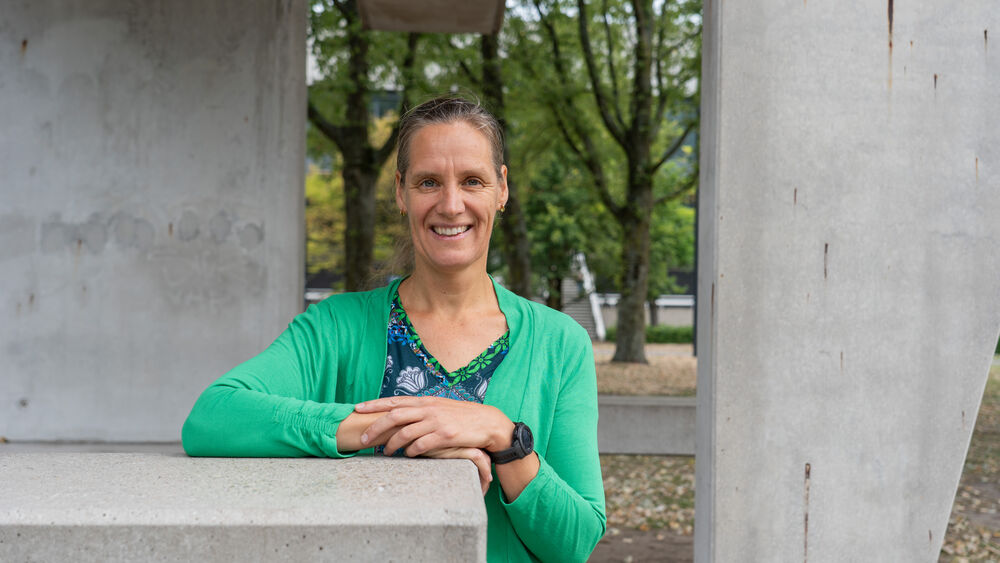
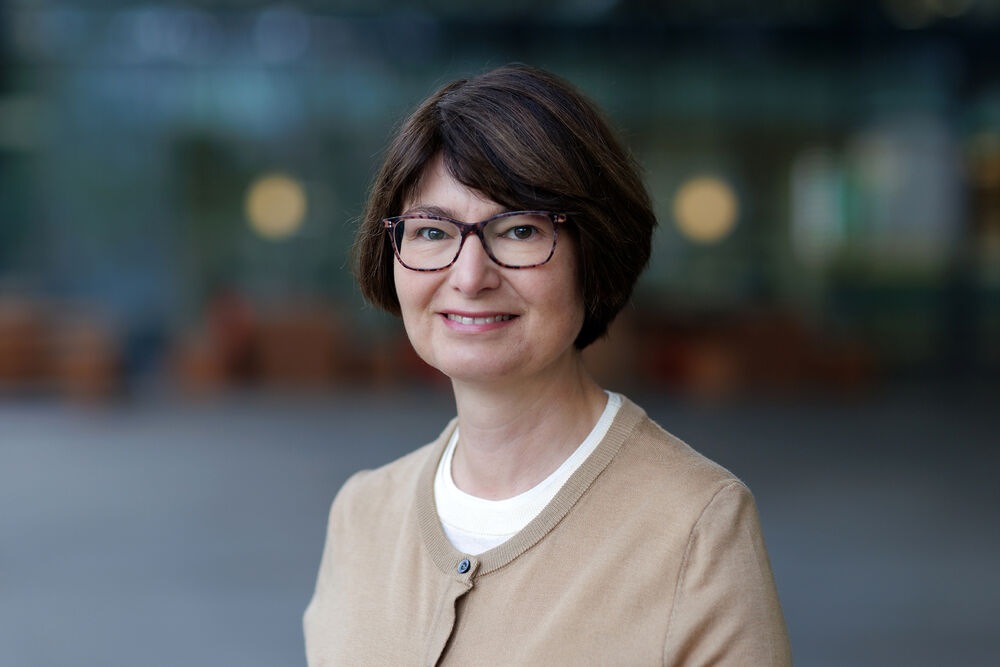
Philosopher Christine Boshuijzen-van Burken
“A low point”, that’s how Christine Boshuijzen-van Burken, appointed associate professor in Christian Philosophy, describes the request for all employees to sign the code of conduct. She did not comply with the request.
“I don’t think ethics and morality should be turned into legal matters,” she explains. “In some contexts, legal documents are appropriate, for example, when you take out a mortgage on your house, but not for a code of conduct. You wouldn’t say to your children, ‘Let’s sign an agreement that we'll always tell each other the truth,’ would you?”
According to her, such behavior should be taken for granted. “It’s simply a matter of common-sense responsibility. By turning this into something resembling a contract, you lose mutual trust and a sense of responsibility.”
Are honesty, transparency, and trustworthiness really rewarded in academia? That’s what we should be talking about
Boshuijzen-van Burken acknowledges that there are people at TU/e who engage in inappropriate behavior and that things need to change. However, she believes the solution lies more in changing the system than in signing a code of conduct.
“Are honesty, transparency, and trustworthiness really rewarded in academia? That’s what we should be talking about.” She believes the organization should be more willing to intervene when employees behave inappropriately. “There are simply people you don’t want in your organization if they repeatedly engage in misconduct.”
She has no objections to the content of the code of conduct, however. “Who could possibly be against it?” But by signing it, she would be making a promise she cannot guarantee to keep.
“I can’t sign something when I know that, as a human being, I’m fallible too. I can do my best to be trustworthy, transparent, and open. But at some point, I’ll inevitably be caught failing to live up to that. Then what? A code of conduct can help keep you on track, but it’s no guarantee.”
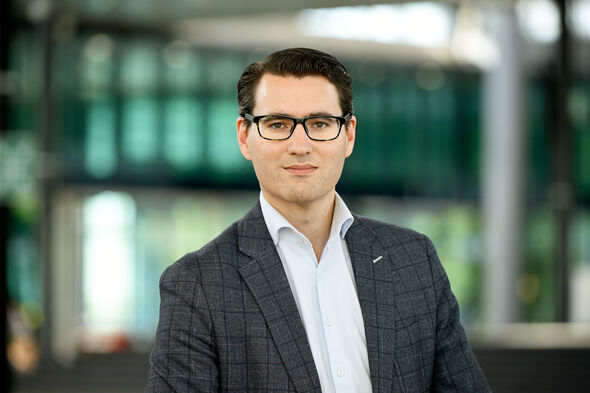
Dean Mark Boneschanscher
Dean Mark Boneschanscher and his fellow board members at the Department of Chemical Engineering and Chemistry sent an email to all their employees (over 830 people), asking them to sign the CoC.
In the email, they write that the department’s board members have already signed the code and that employees can hold them accountable for its contents. The email concludes: “We hope we can count on you to do the same.”
I believe that, as leaders, we should not only express which values we consider important, but also visibly commit ourselves to them
The dean signed not only to set a good example, but also because he believes the CoC is simply necessary. “I signed the CoC because I believe that, as leaders, we should not only express which values we consider important, but also visibly commit ourselves to them. In addition, a clear code of conduct helps us hold one another accountable—regardless of position—for behavior that does not align with how we want to treat each other within the university.”
Nevertheless, Boneschanscher has heard from employees who still have reservations. “Some people have told me they are reluctant to sign the code. They have various reasons. Some believe improvements at the top should be visible first, while others fear there could be employment-law consequences. The latter are concerned that they would be in a weaker legal position if a conflict arose in which they themselves were accused of engaging in socially unsafe behavior.”
The dean says, however, he has not spoken to anyone explicitly stating that the issue of social safety should be addressed exclusively at the top of the organization.
Anonymous
One employee who is reluctant to sign the code does not want her name or position published. (Her identity is known to the editorial team.) She has been working at TU/e for 21 years and cites incidents from both the more distant past and recent times as reasons for her reluctance.
She says: “For someone who has experienced a serious culture of fear at TU/e for years, the strong emphasis on reporting, social safety, and inappropriate behavior also brings up other feelings: will I still be able to say what I really think? I’m a direct and outspoken person. Will strong criticism be more readily treated as a problem in the future? Will I have to weigh my words even more carefully?”
She finds it frustrating that, as an outsider, she cannot assess well what is happening in cases involving social safety at the university, because so much is dismissed with references to procedures that have been followed, privacy, or confidentiality. “That may be understandable and legally necessary, but it doesn’t always help build sufficient trust among the employees who are still here.”
She therefore believes it makes sense to critically examine whether a code of conduct is primarily a symbolic measure or part of a broader cultural change. “And that’s why I’m waiting to see how things develop for a little while longer.”
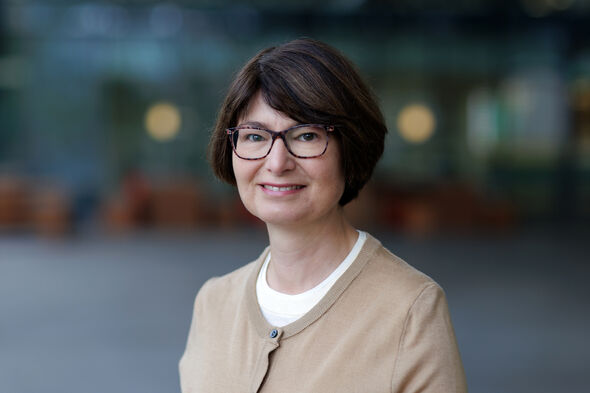
Full professor Nelly Litvak
Full professor Nelly Litvak is pleased with the new code of conduct and signed it right away, because in a way, she had been waiting for it. “I needed it and I didn’t have it.” She had wanted to use it in her lectures.
Even before the new code of conduct was introduced, she discussed with students in her class what respectful and responsible behavior meant to them. Instead of the code of conduct, she used the university’s core values as a starting point. “For example, we talked about arriving on time, whether or not it’s appropriate to openly do something else during class, and simply getting up and walking out while I’m talking.”
In retrospect, however, she believes she could do it better. “I should also have asked them what they would find responsible and respectful behavior from me. I think I would have heard interesting things. It’s a missed opportunity. Next time I’ll do it.”
According to Litvak, a code of conduct and a set of core values help encourage good behavior because, generally speaking, everyone wants to be a good person. “It’s a well-known phenomenon in psychology: when you remind people of what good behavior is, then they tend to react to this.”
She believes the code of conduct provides a solid starting point for a conversation. “Instead of saying: let’s decide together what is good behavior, it’s much easier to say: okay, we already have an agreement on what is good behavior on this campus. So let’s decide what it means for us.”
Litvak understands the criticism some people have of the Executive Board’s request to sign the code of conduct. She can imagine that it might create the feeling that it turns a gentleman agreement into a contract.
“I personally support the code of conduct, so I don’t mind signing it because I agree with it, but I see the point. Maybe it was just a way to make everybody read it. And I do think that is important.”
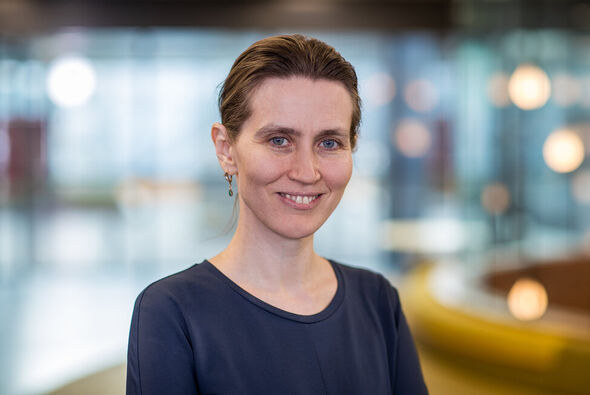
Assistant professor Natalia Sidorova
Much of what is included in the new code of conduct strikes assistant professor Natalia Sidorova as common sense.“I think it’s self-evident that we should treat one another with respect, take responsibility, and hold each other accountable when necessary.”
She has signed the code of conduct, but has mixed feelings about it. “It’s unfortunate that we've reached the point where the Executive Board feels it needs to ask us to sign the code.”
Sidorova does not think signing the code will change the way she behaves. “I would appreciate clear guidelines on what to do when boundaries are crossed, as happened recently in a lecture hall (when a student performed the Nazi salute, ed.),” she says. “The code remains very abstract on this point. What are you supposed to do in a situation like that?”


ESA manager Elmer Sachteleben
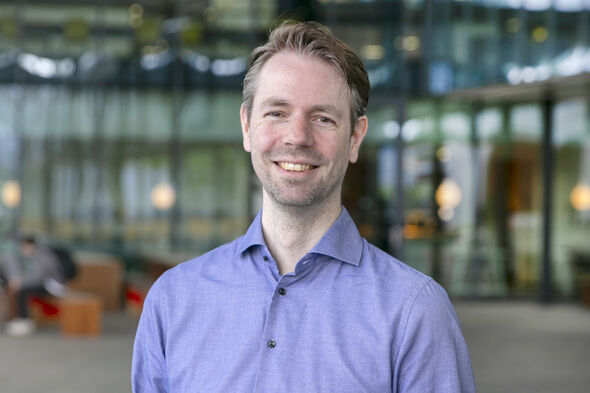
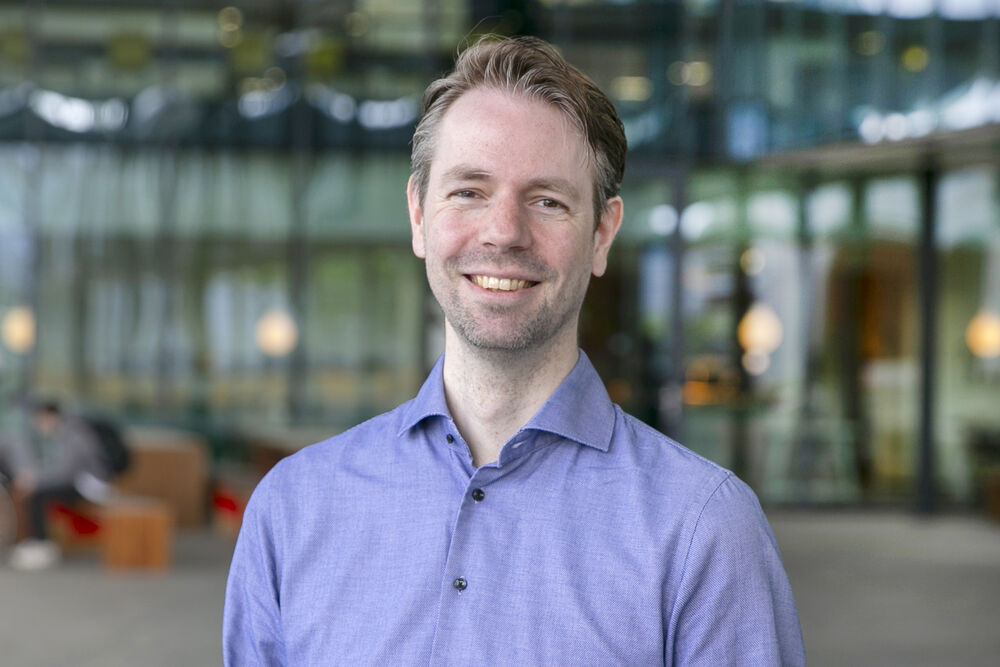
Elmer Sachteleben, ESA manager at Mathematics and Computer Science, says he feels very passionately about the CoC. “I’ve observed that people's standards and values are gradually eroding, particularly in society, but unfortunately at the university as well. More and more people are simply shrugging their shoulders. In my view, that amounts to accepting the situation.”
“It would therefore be good for us to remind ourselves more often that we’re striving for an open and inclusive community where everyone can be themselves, regardless of their background, religion, or identity. There is no place for extremism of any kind.”
“In the community we’re trying to maintain, every subject can be discussed and debated, as long as it’s done respectfully. That’s what makes the scientific community so special, and I’d like to keep it that way.”
According to Sachteleben, a code of conduct is one way to bring these principles explicitly to people’s attention. “By asking people to sign it, you make them acknowledge that they understand what kind of community they’re joining at TU/e and that they will contribute to it positively. A bit of ownership and accountability. I think it’s a good idea.”
This article was translated using AI-assisted tools and reviewed by an editor.
Discussion