- Research
- 4 min
- 19/11/2026

The hidden value of darkness in the city
"Sometimes you actually need light to preserve that darkness and allow people to experience it"
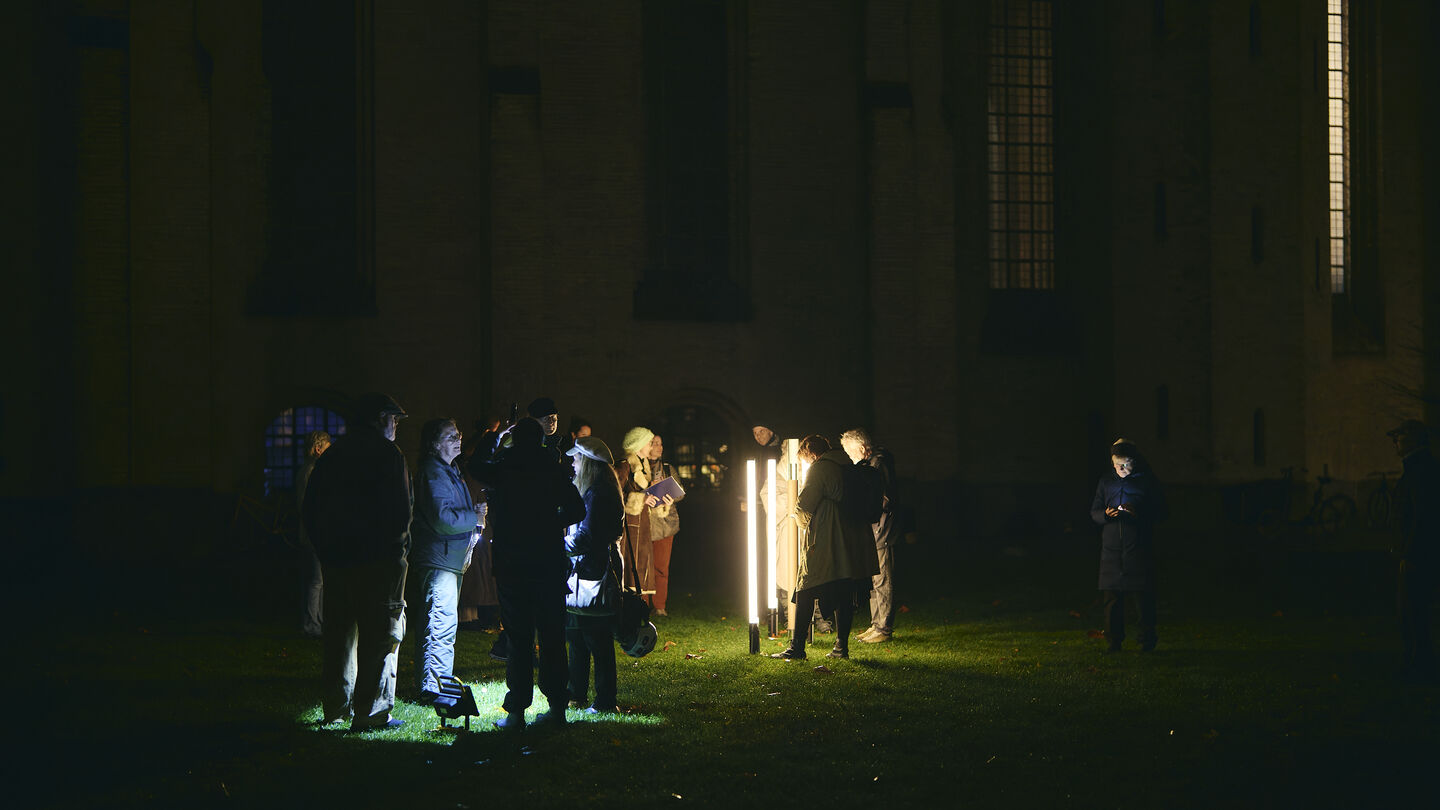
Darkness can evoke feelings of insecurity and uncertainty, but a dark night also has stars and the moon. The Art of Darkness project explores how light can be designed without losing the value of darkness. But first, it is important to understand what that value actually is.
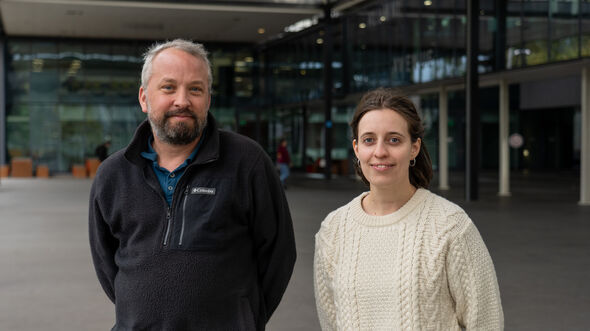
For many people, darkness means the absence of light. But TU/e researcher Antal Haans sees it differently. At least, in the context of the European Horizon project Art of Darkness. The project aims to view darkness not just as a problem, but also as a valuable part of the city.
“Darkness is not the absence of light, but a different kind of light. I like to call it nightlight.” Think of the stars, the moon, fireflies, and glowworms. “They illuminate the night, but they are still part of the darkness”, Haans says.
The project is not about creating more darkness, but about designing darkness itself, for example by adding specific forms of light in carefully chosen circumstances. Researchers are doing this at five different cultural heritage sites across Europe.
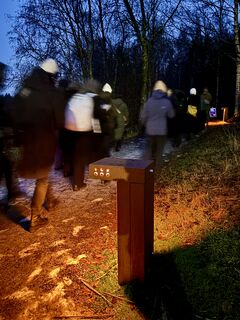
In Finland, for example, there is a project along the dark coastline of Pikisaari island, near Oulu. Temporary light art and permanent adaptive lighting along the path are intended to enhance both the area's cultural heritage and the experience of darkness.
And in Estonia, a park along Tallinn's old city walls is getting new lighting, designed to highlight the area's historical significance without compromising darkness or biodiversity, Haans explains. “It's not about removing lighting, but about designing it with darkness in mind.”
Value
“The project sees darkness as something valuable, as part of our cultural heritage that we want to preserve in some way,” Haans explains. “But sometimes, you actually need light to preserve that darkness and allow people to experience it. That's where I think the tension lies.”
But what is the value of darkness? PhD candidate Kathrin Ehlert is trying to answer that question. Her research focuses specifically on the value of darkness in the urban space. This value is not necessarily obvious to everyone, particularly in a world that is affected by light pollution and where darkness can also make people feel unsafe.
Walking through Eindhoven
“There is a lot of knowledge about why light pollution is harmful and why darkness is considered important from an ecological, economic, and health perspective,” Ehlert explains. “But there is much less understanding of why we, as individuals, would be motivated to experience more darkness.”
To find out, she interviewed people while walking through Eindhoven after dark. “We went outside to experience the dark city together. People showed me places in the dark that they do and don’t like. I asked them what darkness meant to them personally,” Ehlert says.
One thing she has noticed is that many people find it very difficult to talk about darkness. “Even though they experience it every day.”
Me time
Still, everyone eventually manages to identify positive aspects of urban darkness. “Many people appreciate how darkness changes the way they experience the world and their surroundings. They also often feel calmer in the dark and are less easily distracted.”
Some people also enjoy the fact that certain senses become more acute in the dark. Others experience the dark evening hours as ‘me time’.
Lighting for darkness
The next step in Ehlert’s research is to explore how light can contribute to a positive experience of darkness.
“During the interviews, I found that light can have a positive influence, for example, when it is used as art or the atmosphere that is created with fairy lights. But light can also have a negative effect: it can disrupt your sleep or cars can blind you on the bike,” Ehlert says.
“In many situations, light eradicates darkness ,” Haans adds. “Finding the right type of light while helping people to reap the benefits of darkness is quite a balancing act.”

The insights Ehlert gains through her research have come a little too late to inform the pilot projects that are already underway. Nevertheless, they are valuable to the project because the current pilot sites will also serve as blueprints for other locations across Europe, including Amsterdam.
Understanding what people value about darkness can help researchers make the right design choices. It is also essential when evaluating whether a project is actually achieving its intended effect.
Still in development
Haans is primarily responsible for this part of the project. He is developing an evaluation model to determine, among other things, whether people at the current pilot sites—and eventually in other cities as well—are indeed having a better experience of both the cultural heritage sites and darkness itself.
Like the project, the evaluation methods are still evolving, Haans explains. “The methods are getting better and better because we are developing a deeper understanding of what experiencing darkness actually involves.” In his view, a better understanding could ultimately help policymakers make well-informed decisions about urban lighting. So they don’t forget that light does not always have to drive darkness away; darkness deserves its place, too.
This article was translated using AI-assisted tools and reviewed by an editor.
Discussion