
- Campus
- 02/04/2026

Redesign Dommel area completed: “Ready for the future"
The redesign of the Dommel area on the TU/e campus has recently been completed. A milestone, according to site manager and advisor Thijs Mooren: “With a focus on water retention, biodiversity, and sustainable use, our campus is now better equipped to withstand climate change.”
The recent changes in the Dommel area are part of a broader effort. Work on reshaping the campus has been ongoing behind the scenes for years. The goal: a better balance between buildings, greenery, and water—taking into account both users and nature.
Cursor spoke with site manager and advisor Thijs Mooren and project manager Dirk Bax. Mooren understands what the landscape and biodiversity require and can accommodate, and he safeguards those limits. Bax translates these frameworks into practical projects on campus.
Together, they walk through the most significant recent changes and explain why they are so important for a future-proof campus.
From parking lot to Groene Loper
According to Mooren and Bax, the turning point in the TU/e campus redesign came in 2012, the year the Groene Loper was created. “At that time, this area was still full of cars,” Bax says. “There was a request from the university to redesign the area: fewer cars, more greenery, and a more pleasant campus for users.”
Such a change must be balanced, he emphasizes. “You can’t completely ban cars, because not everyone can travel by bike or public transportation.”
That is why the choice was made for a “green lung” at the heart of the campus: the Groene Loper, which runs from the Dommel to Flux. “This keeps the edges accessible to traffic, while creating a green meeting space in the center.”
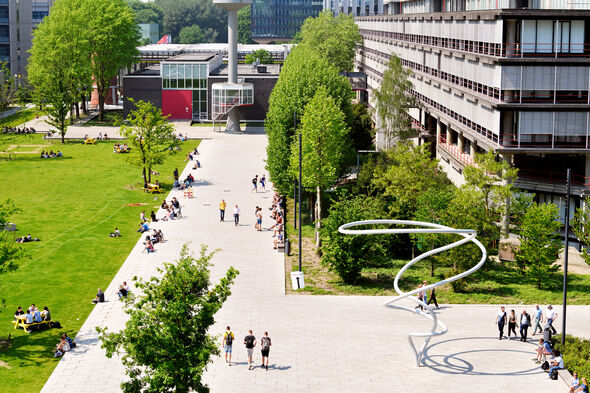
This first major shift in direction also received recognition beyond TU/e. In 2019, the Groene Loper was nominated for the Best Public Space Award.
The importance of blue
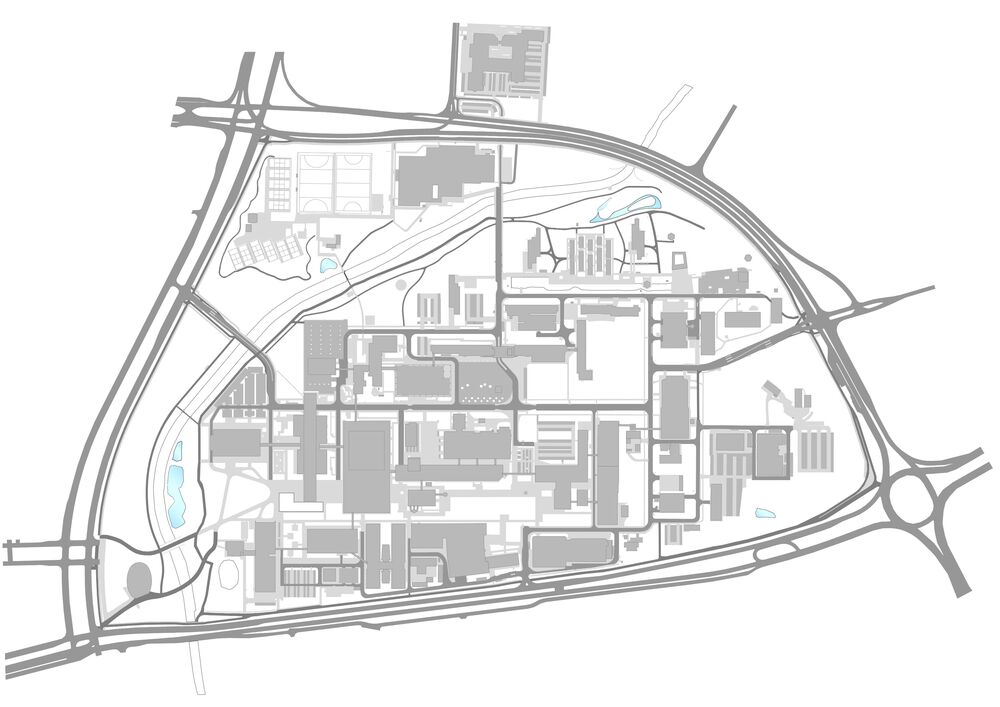
The second phase of the redesign focused on the area around the Dommel and the Blauwe Loper, on the north side of the campus. This work was completed earlier this year and largely revolves around water storage. “Our vision goes beyond just greening. It’s an interplay of green, blue, and gray,” says Mooren—trees and plants, water, and paved surfaces.
“Water can be aesthetic—just look at the pond near the Blauwe Loper—but it is primarily functional,” he explains. The campus is located on loamy soil, which naturally absorbs water poorly. During heavy rainfall, that water needs somewhere to go.
“In the past, excess water was drained directly into the Dommel through drainage systems,” Mooren says. That system has been in place since TU/e was founded, but increasingly intense rainfall has shown that it is no longer always sufficient. “In addition, regulations no longer allow new buildings and paved surfaces to be connected to the sewer system.”
Flora and fauna study
Before any construction takes place on campus, a flora and fauna study is always conducted. “This tells us what lives in that area and what we need to take into account,” Mooren explains. “For example, there are many squirrels in the wooded areas around the Dommel. That’s why we have disrupted the green strip there as little as possible, so they don’t have to cross paved areas.” In addition to squirrels, foxes and rabbits can also be found in the area. “And occasionally, a beaver and a polecat have been spotted.”
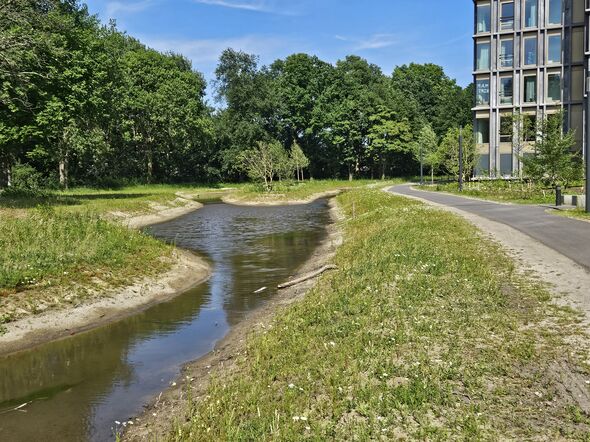
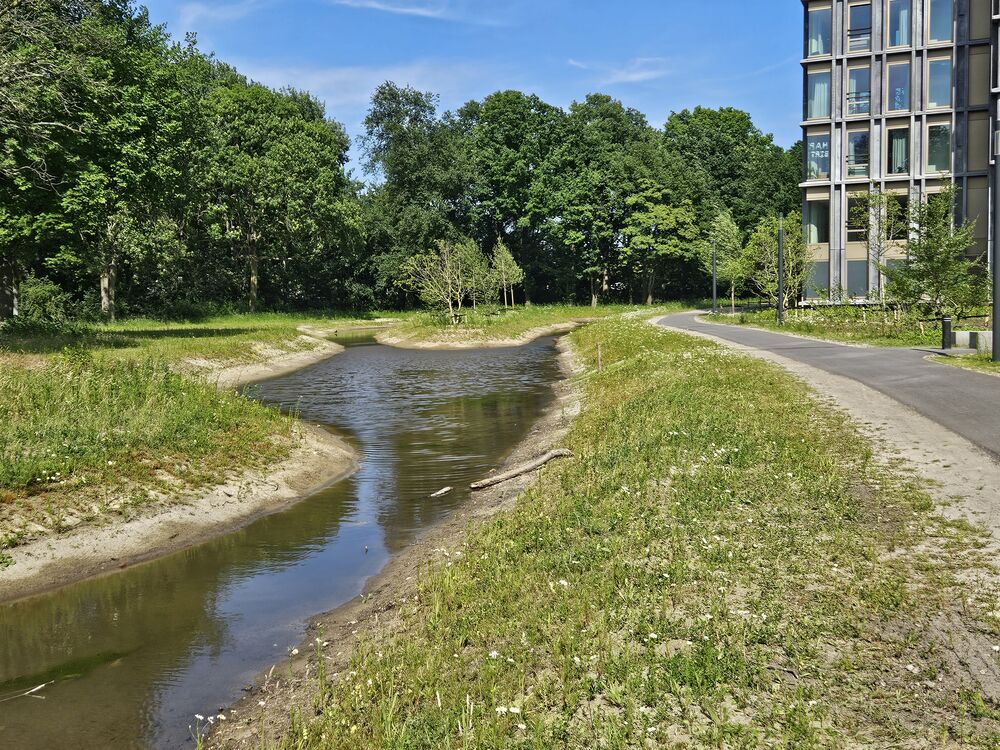
That is why the water storage system has been renewed. Four so-called wadi’s—man-made ditches that can temporarily store water—have been constructed across the campus.
“In summer, they are often dry, but during heavy rainfall they collect water from roofs and paved surfaces,” Mooren says.
Through an underground pipe system, rainwater flows to the wadi’s, where it partly infiltrates the soil and is partly discharged slowly into the Dommel. “This prevents large volumes of water from entering the Dommel all at once and reduces the risk of flooding.” The Blauwe Loper has a similar drainage function. When it fills up too much, water flows back to the Dommel via the wadi’s.
Campus-wide
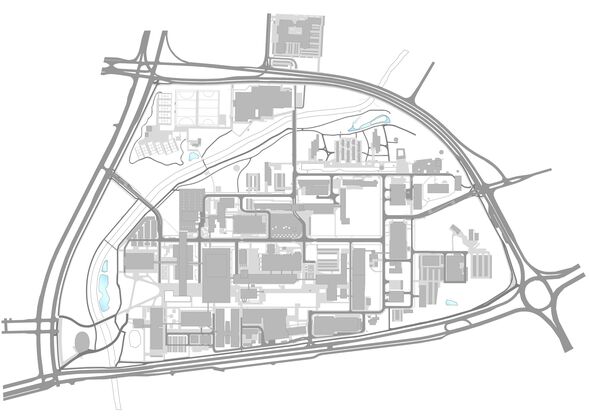
With the Groene Loper and the recent improvements to water storage, important steps have been taken, but the redesign does not stop there. Smaller interventions are being implemented across the entire campus, all contributing to the same goal.
“Think of greater variation in planting, more restrained green management, and adjusted lighting,” Mooren says. “Everything is aimed at making the campus ecosystem more resilient.”
Close to buildings, planting is often still neat and aesthetic. “In those areas, we choose the same type of plant to create a sense of unity,” Mooren explains. Further away from buildings, that approach is relaxed. “There, it really becomes a mix of species.”
According to Mooren, that variation is precisely what strengthens the ecosystem. “In the event of a pest outbreak, not everything is affected at once, and the diversity increases the chances that the system will recover on its own.”
Unusual birds
Thanks to its broad biodiversity, the campus is home to a number of special bird species, such as the kingfisher and the tawny owl. Near the bridge close to Kennispoort and the garden room Proteus (a remnant of the old Paviljoen), boxes have been installed that register different bird species based on their song or call—or their hammering, since woodpeckers also live on the TU/e grounds. Check the website Luistervink (see links) to follow which birds are currently active.
Management practices are also as hands-off as possible. “We try to let everything grow as much as possible,” Mooren says. Mowing is done only once a year, after which the cuttings are left in place to reseed. Pruning takes place even less frequently. Only young plants receive extra care in their early years.
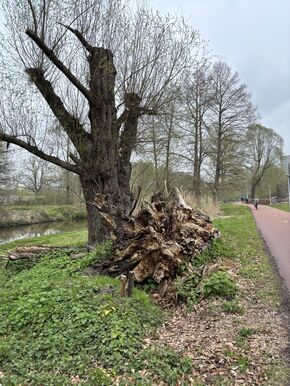
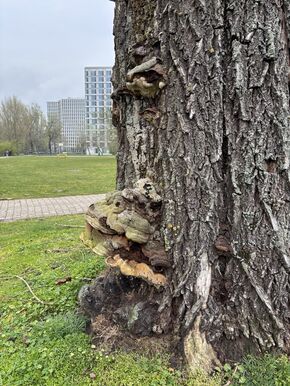
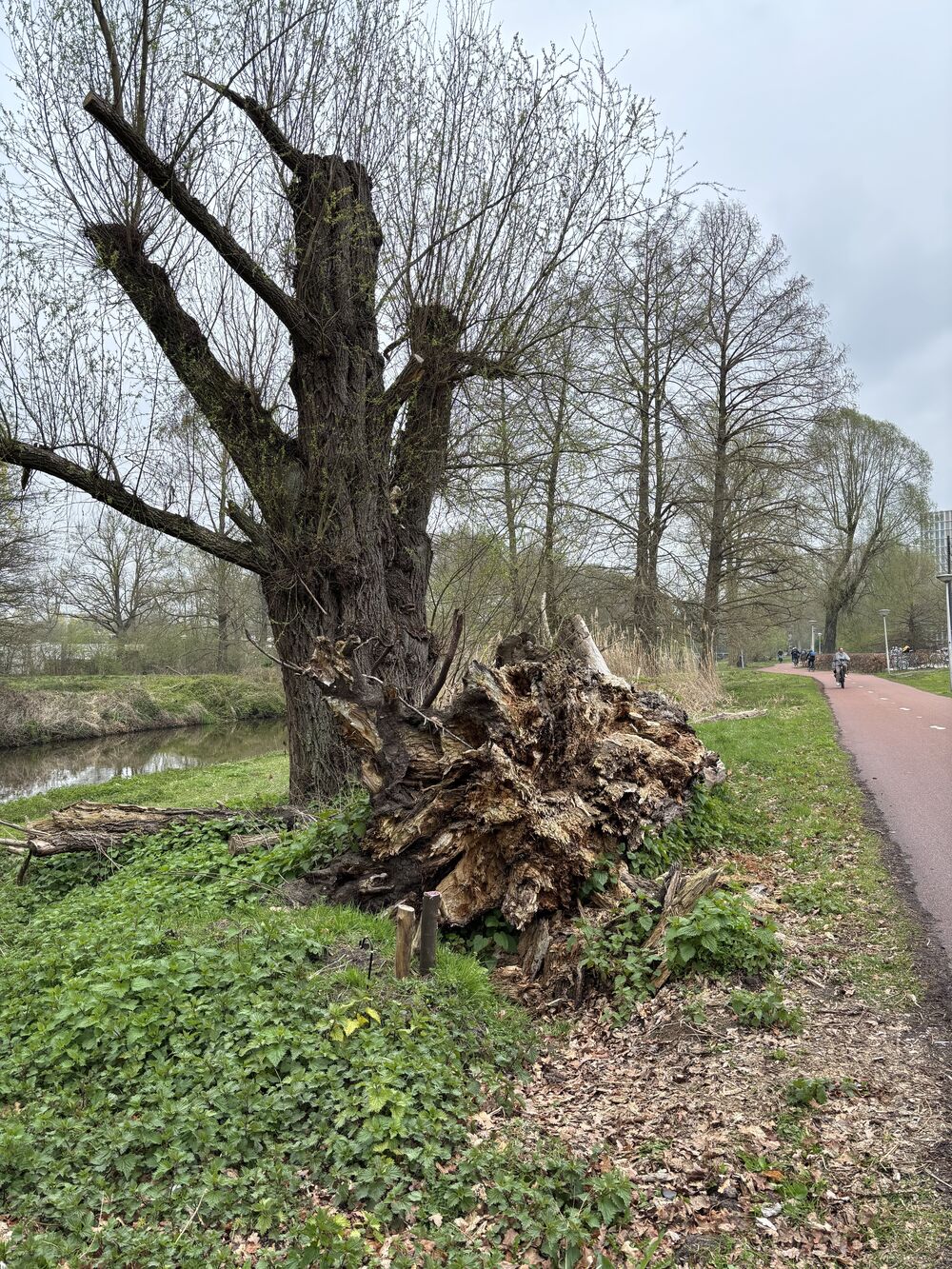
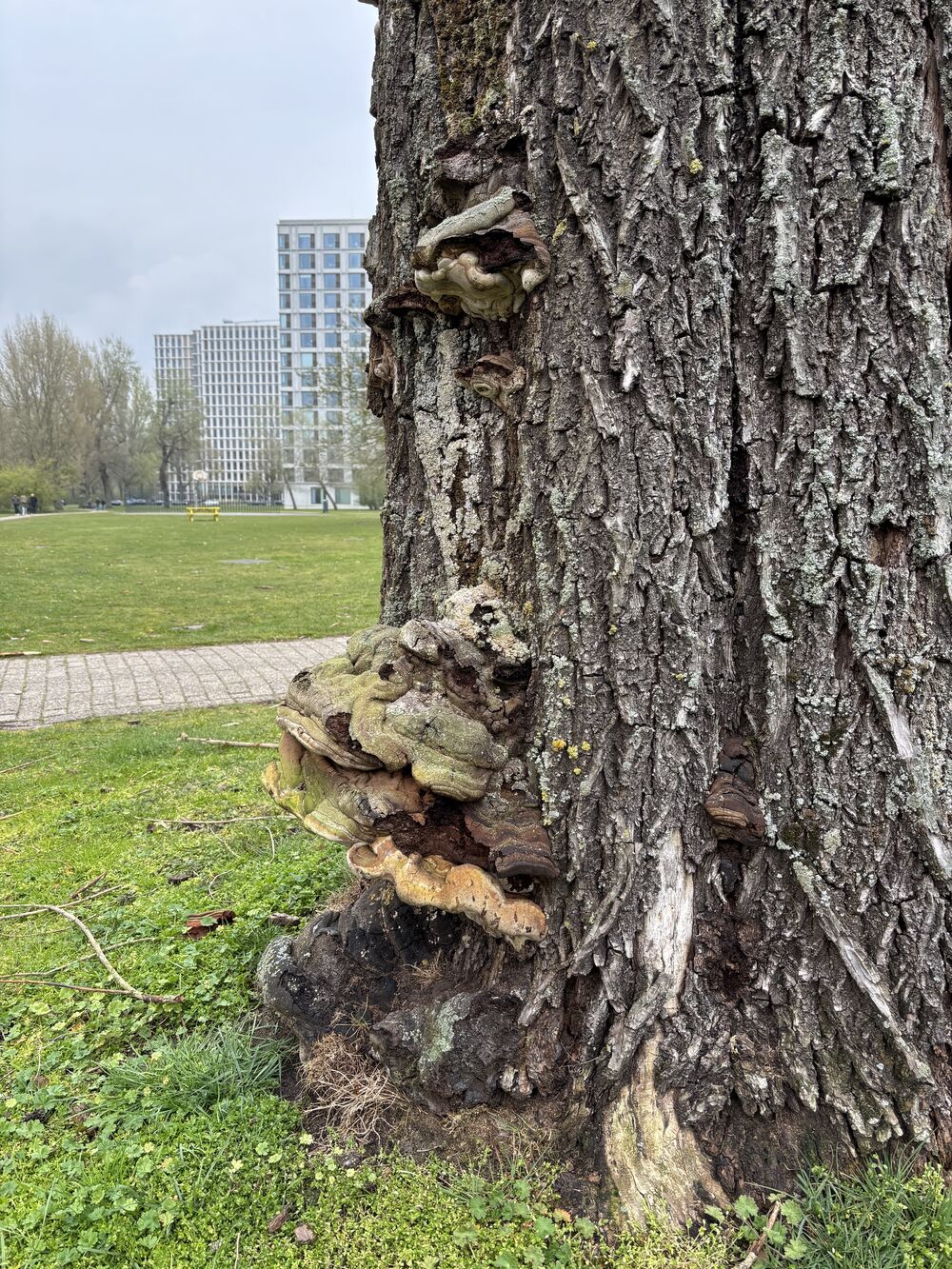
Even dead trees are now left standing. “That is actually beneficial for nature. Mushrooms grow on them, and insects and birds make cavities in them.” In addition, bird and bat boxes are installed across the campus.

Alongside biodiversity and management, lighting is also part of the updated approach. Streetlights on campus are gradually being replaced with LED lighting, with attention to light color, direction, and intensity.
“It needs to feel safe for campus users, but we also want to minimize disturbance to nature,” Bax adds. All lighting on campus is expected to be LED by the end of 2030.
The next step
Work on the campus is never truly finished. Even as nature is given more space, supervision and maintenance remain necessary to keep everything on track. At the same time, new developments—such as Shaping our Future Campus—bring new challenges. New buildings also mean new outdoor spaces that must be designed, constructed, and maintained. The search for balance between buildings, use, and nature therefore remains an ongoing task.
This article was translated using AI-assisted tools and reviewed by an editor.
Discussion