
- Student
- 15/04/2026
And how are things in Namibia?
Antonia Tiplea-Serban is currrently in Rundu, Namibia, as part of her Master's thesis in Innovation Management, Sustainability Transitions track. She works as a consultant and her research focuses on improving mobility as part of the neighborhood formalization process. It came as a surprise to her when there, at the other end of the planet, she adapted almost immediately.
“When you google images of the place where I've been living for the past four months, at first glance you'll only see cow herds and a river - the natural border between Namibia and Angola, where crocodiles and hippos constantly challenge locals for their livelihood.”
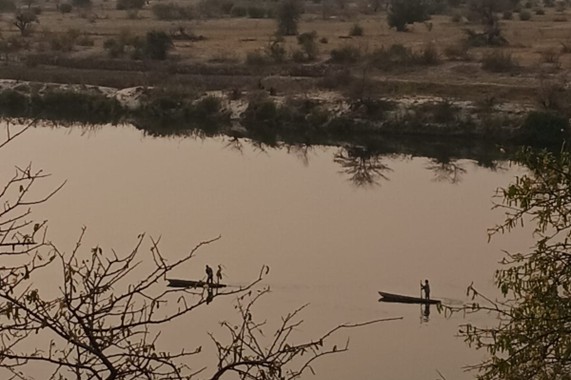
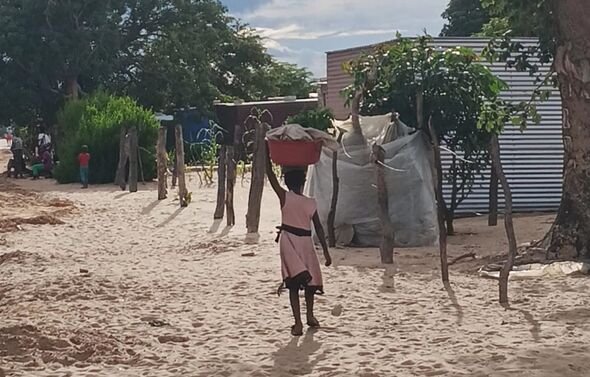
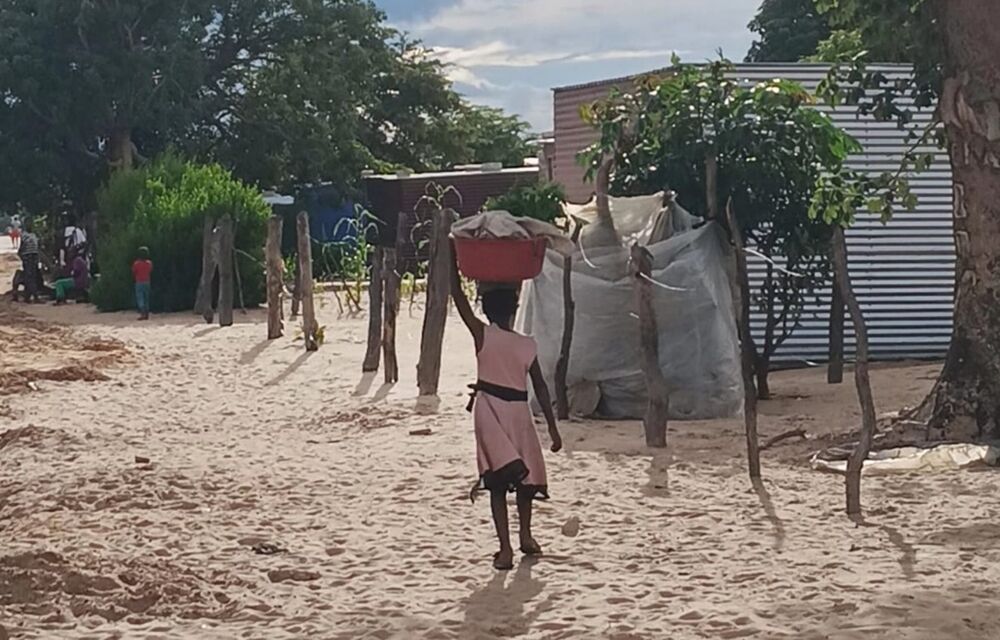
“As someone who has only lived in modern European cities, you can probably imagine the feeling I had in anticipation of coming here, scrolling through those pictures online. That feeling reached new heights when I arrived here and saw a reality that my online search didn’t do justice to. Rundu is home to Ndama, a large informal settlement of around 14,000 residents, where people build their own structures without access to water, electricity, or sewage.”
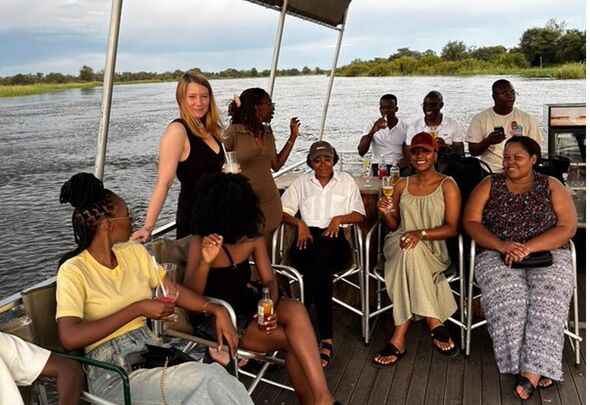
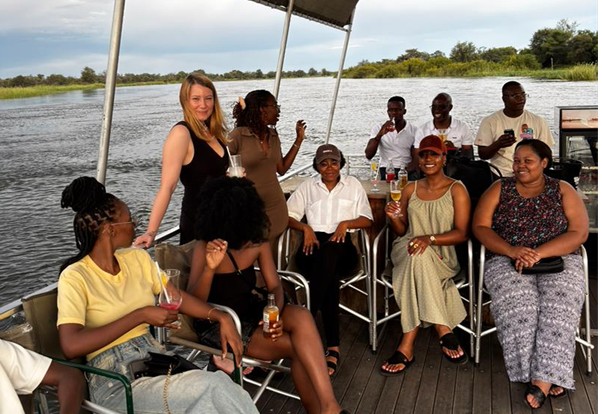
“As a Romanian who lived in the Netherlands for almost seven years, adapting there has not been easy and I've often struggled because my nature felt at odds with the culture. It came as a surprise when here, at the other end of the planet, I adapted almost immediately. I've made good friends, I work well with the team, and we share a lot of the same values. That connection comes not only from resonating with the Namibian culture itself, but also the shared sense of purpose in the work we do in Ndama.”
What am I doing here?
“The team's broader goal is the formalization of the neighborhood by drawing an urban layout and establishing land titles as the essential first building blocks toward a serviced township. Within that context, my research focuses on improving mobility. Over 80% of daily trips in Ndama are made on foot, along sandy, uneven paths, under extreme heat.”
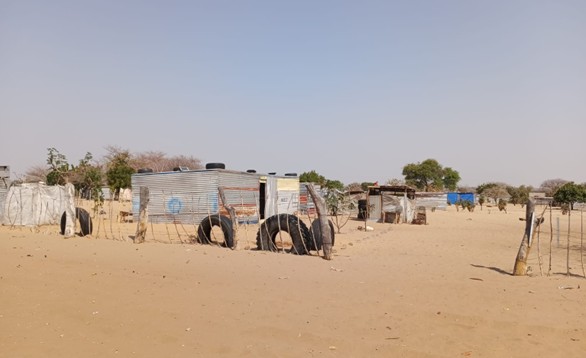
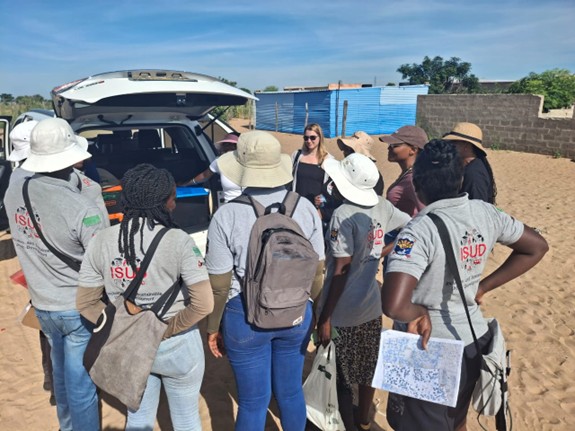
“The question I'm trying to answer is how could this situation improve through active mobility and how to do that in a way that people actually want it. To find the right answer, one of the things I do is work closely with people who live in Ndama, who are kind, open, and deeply dedicated to changing their lives for the better. Working alongside them has been the most joyful part of this experience.”
Motivation
‘Development to us cannot mean the building of a road so that we can point and say, “there you are, at one time we had no road, now we have a road.”’ Julius Nyerere, former President of Tanzania.
“This quote has stayed with me because it challenges a narrative of development I was taught to accept since growing up in Romania, where public discourse tends to reduce progress to a visible artefact: a completed project, an added line on a map. Nyerere insisted that what matters is what infrastructure does for people's lives, whether it changes their everyday realities for the better. That paradigm shift is at the heart of why I wanted to do research in an African urban context as an Innovation Management student. I do not want to approach "innovation" as a way to help Ndama "catch up" to western standards. I want to understand what innovation means in the eyes of the people living here, what counts as progress, and what forms of value actually matter in daily life.”
Beauty of Namibia
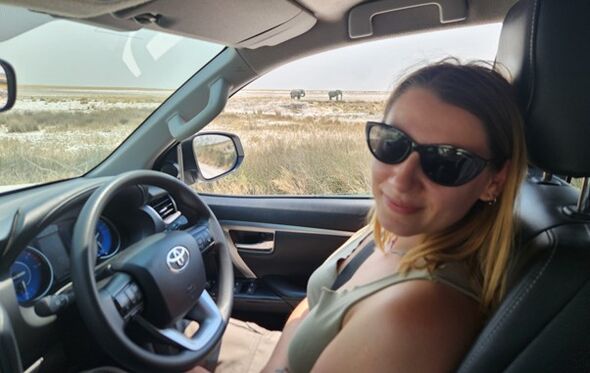
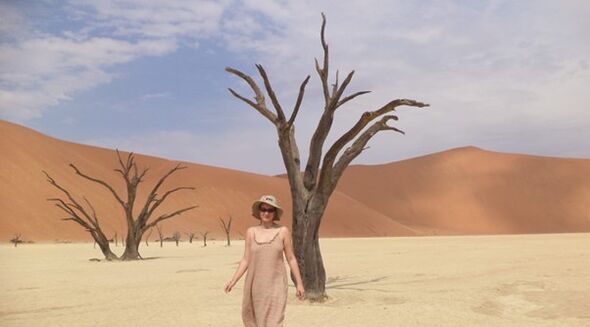
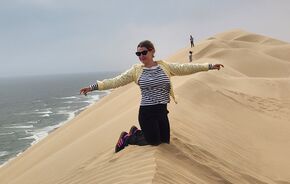
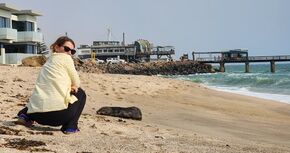
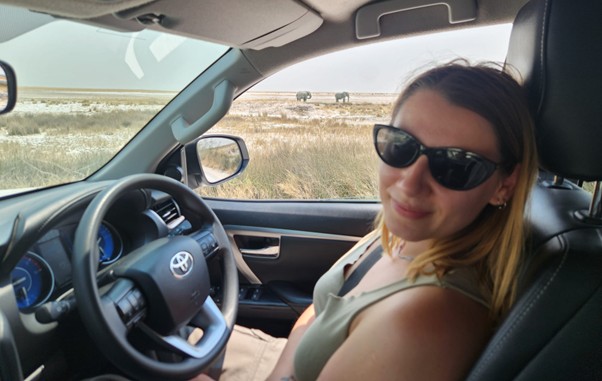
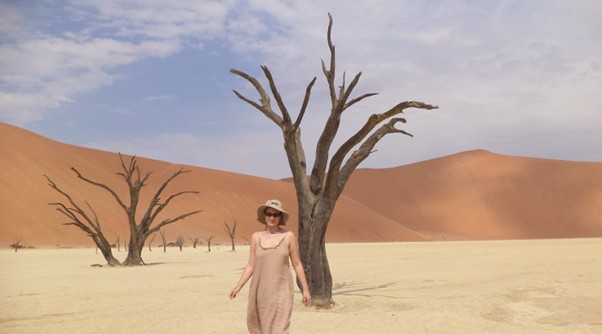
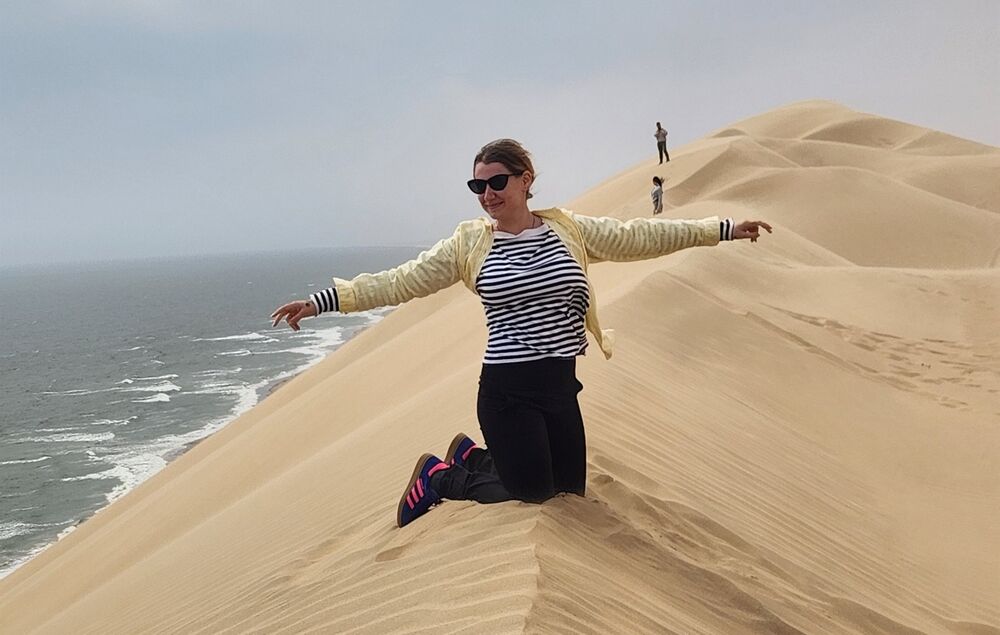
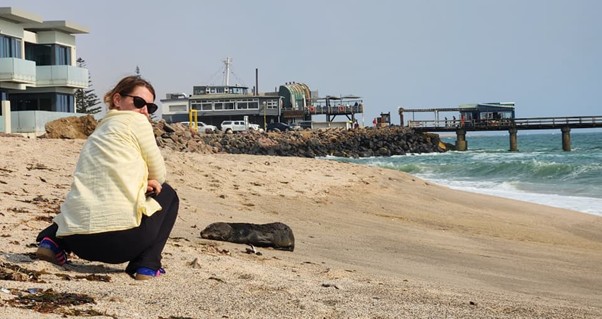
“Namibia has given me more than work experience and a richer perspective. In the time I have been here, I have travelled thousands of kilometres across savannah and desert, and seen things I never thought I would see in my lifetime. I drove through Etosha National Park past giraffes, elephants, and zebras going about their day as if I wasn't there. I stood at Deadvlei, where thousand-year-old trees rise out of a white clay pan surrounded by the highest sand dunes in the world. I saw the place where the Namib desert meets the Atlantic Ocean. Sea lions were lying on the beach next to me.”
“I’d like to close off with a quote from a Romanian writer, Mircea Eliade: “Initiation is at the core of every authentic human existence - because it is only through deep crisis, disorientation, and the loss and recovery of oneself that a new life becomes possible”. I think of my time here as exactly that: an initiation. Namibia sometimes feels like a lesson in emotional endurance. I’ve felt disoriented, humbled and challenged in a visceral way. I’m sure I’ll come out on the other side, when I get back to the Netherlands, as a different person. And the journey is not yet over…”
Discussion