
- Student
- 22/04/2026
And how are things in Seoul?
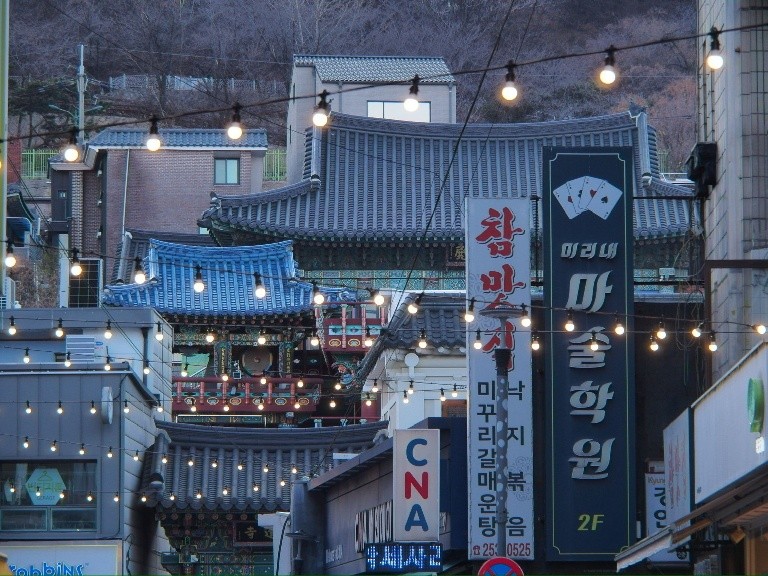
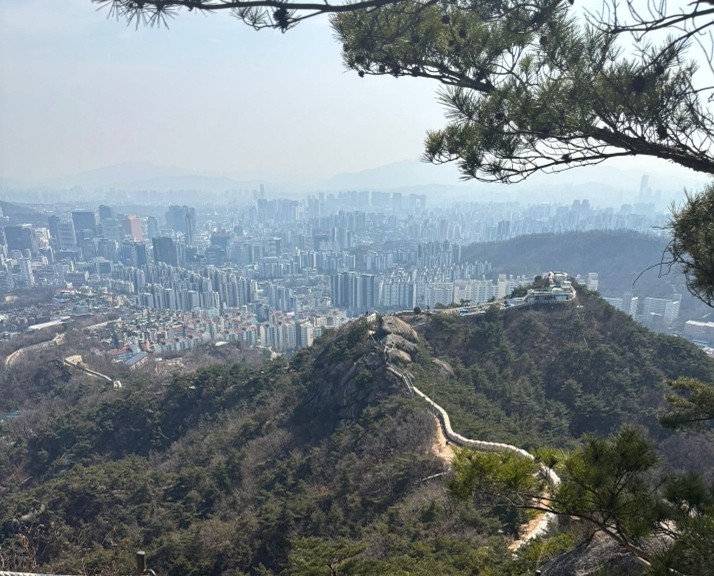
From early March to the end of June, Michelle Slots is studying at Sungkyunkwan University in Seoul, South Korea. With around 10 million residents (and growing), the city operates on a completely different scale from Eindhoven. For her, Seoul is not just a place to study, but a city where something is always happening.
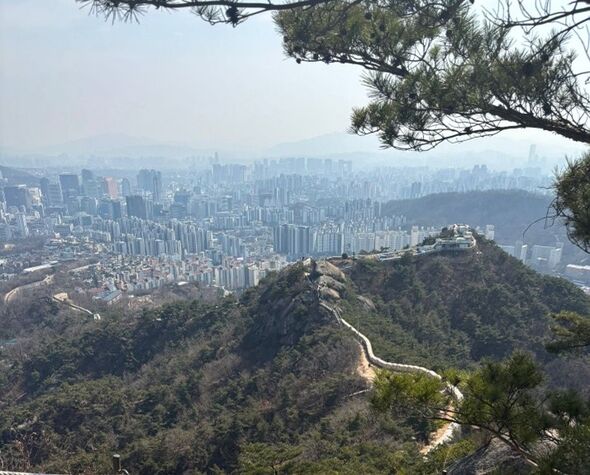
“With my background in the master’s program Human-Technology Interaction (Environmental Psychology), I am particularly interested in how people, technology, and their environment interact. In a city like Seoul, with its high density and well-coordinated urban systems, this becomes incredibly interesting to observe. Public transport, for example, is exceptionally well organized. Everything runs on time and is clearly structured. Distances are larger than in Dutch cities; it is quite normal to spend 45 minutes to an hour traveling across the city. Still, you get used to this surprisingly quickly.”
“What stands out most to me are not only the big differences, but especially the small details. Social behavior here is quite different from what I am used to in the Netherlands. People tend to be more reserved in public, yet at the same time very caring within their own circles and strongly family oriented. Influences of Confucianism such as respect for hierarchy, structure, and order, are still clearly visible in how society is organized.”
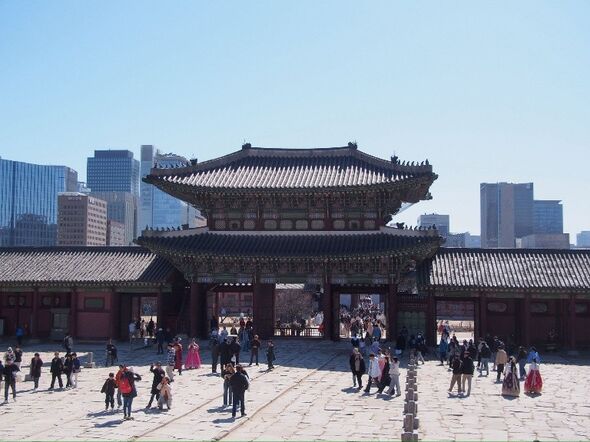
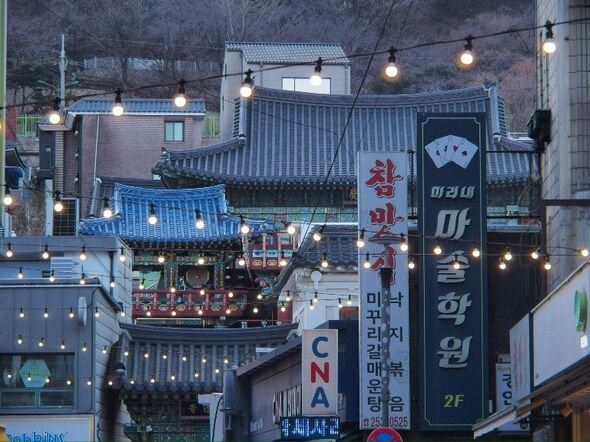
“Another typical phenomenon that people here enthusiastically take part in is collecting stamps. You can find them at hiking routes, tourist attractions, or events. It may sound simple, but people take it quite seriously. Something else I quickly noticed is that South Koreans almost always carry an iced americano or latte… even when it is cold outside. I have happily joined in on that habit, just like I have embraced the many food experiences here. From small street food stalls with plastic stools to meals you prepare yourself at the table, food is very much a social activity. However, ordering anything does require at least some basic Korean, as English is not widely spoken. So, I use the Papago app to translate. No one here uses Google for translation or navigation.”
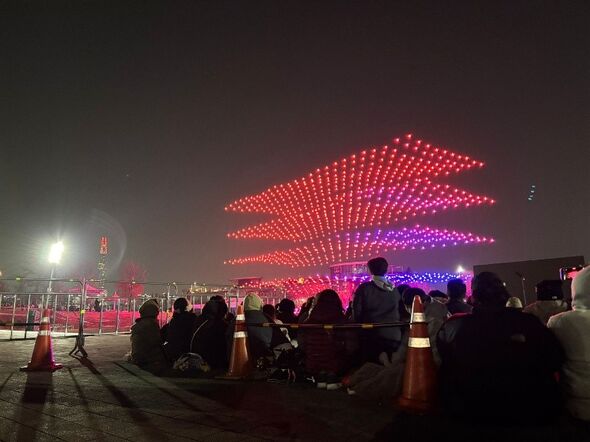
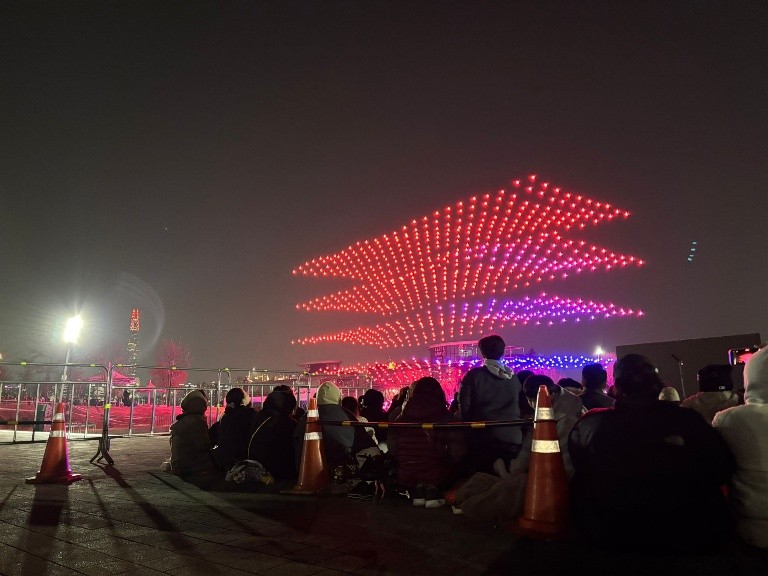
“In March, the city was completely caught up in the comeback of BTS, South Korea’s most famous pop group. I attended the BTS drone show, where hundreds of drones formed perfectly synchronized images of the band members in the sky. Every recognizable shape or name was met with immediate excitement. You can really feel that K-pop here is not just music, but a shared experience that brings the whole city together. The city lit up in red and purple especially for the group’s comeback. Everyone received emergency alerts about the crowds in the city.”
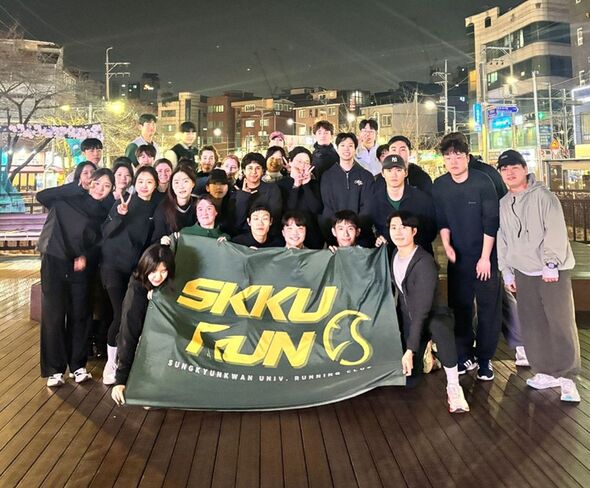
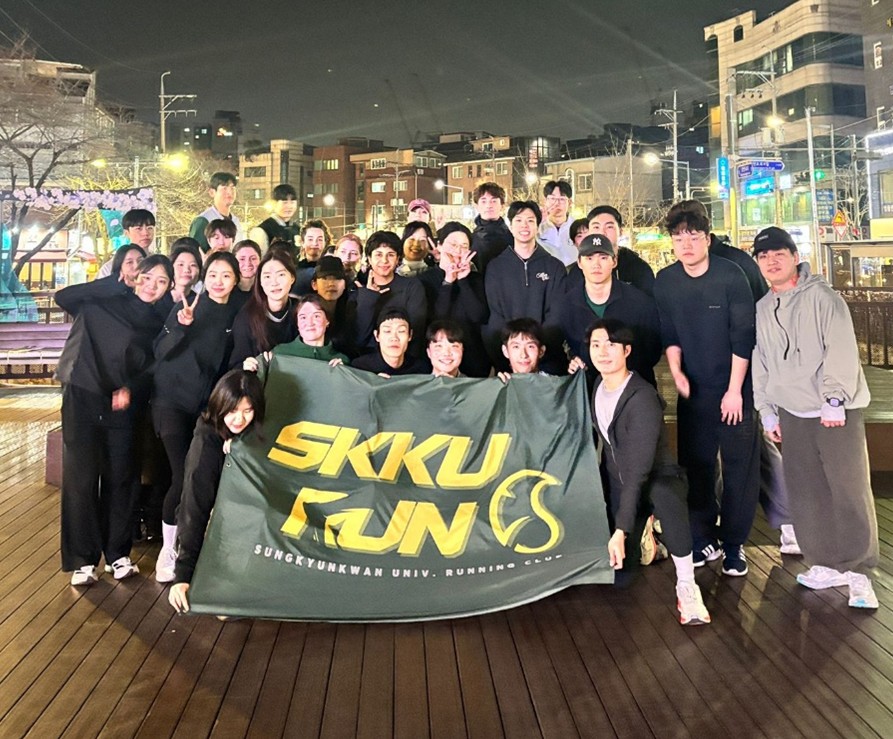
“Perhaps the most meaningful part of this experience is the people I have met. I live with European housemates, and together we share meals, talk about cultural differences, or simply sit on the futon after a long day (as sitting on the floor is quite common here). I’ve also joined the SKKU run club and there is a buddy program which is ‘keigezellig!’”
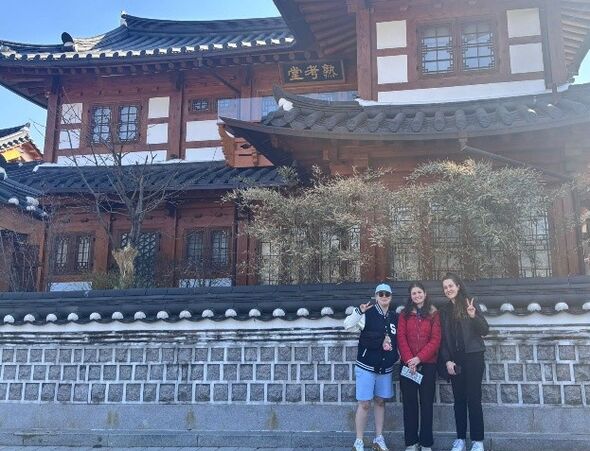
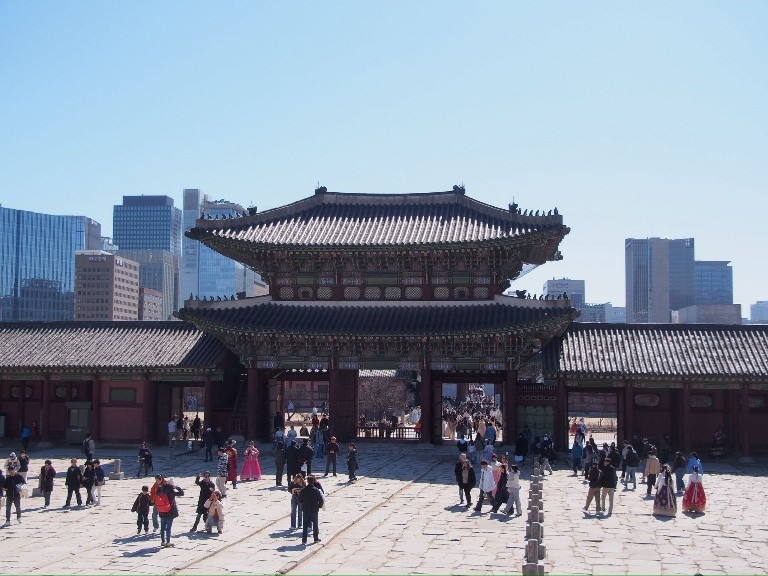
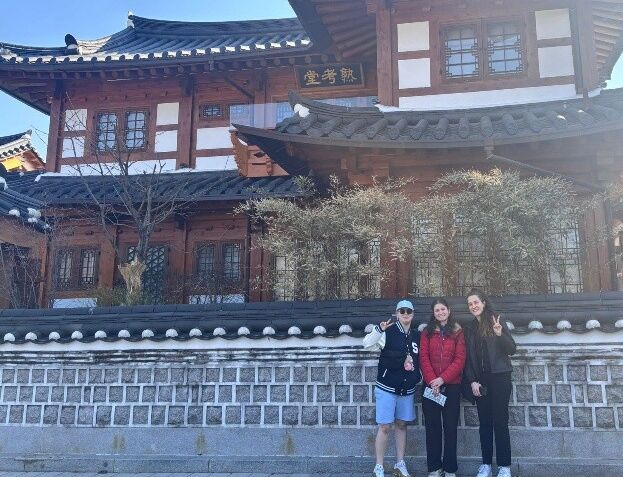
“Seoul is therefore not just a place to study, but a city where something is always happening. A city that is large, intense, and sometimes overwhelming, yet full of small details that you only notice once you are truly there.”
“There is so much more I can write about life here. But to be honest, I probably won’t be able to complete Seoul in four months… so I need to go to see as much as possible!”
Discussion