
- Sports
- 09/11/2026

Cycling at full throttle isn’t for everyone
It’s hard to believe how difficult it is to ride really fast. According to the cyclists at Squadra Veloce, the student cycling club, it takes more than just strong legs. You need courage and good judgment, race experience, an understanding of cycling etiquette, and a well-maintained bike.
“I’m no expert at handling a bike, and I’m not the fastest rider on flat roads, but I can climb a hill really fast,” says Meinte Voordendag. “I had to get used to road cycling because I used to be a mountain biker. Riding in the woods is quite different from riding on the road.”
Voordendag is a former president of Eindhoven student cycling club Squadra Veloce and a mechanical engineering student at Fontys University of Applied Sciences. He didn’t buy his first road bike until he was a student, finding it on Marktplaats, the Dutch online marketplace. He still remembers the learning curve well and outlines five steps.
The mental challenge
Step 1 is simply getting started. And when you’re ready to pick up the pace, you need to overcome a mental barrier. It helps not to be afraid of every possible hazard along the way. “The consequences of falling on asphalt are more serious than when I used to fall on forest trails. You risk broken bones and nasty abrasions.”
Racing
Step 2 is taking part in races. “When you’re riding with people around you who all want to go faster, getting into the right position for a turn becomes a battle. You can’t learn that in training. Pretending a training session is a race doesn’t work.”
Taking a fall
Experiencing a crash or being pushed by another rider is an unpleasant but essential third step. You can learn how to fall safely through judo, but Voordendag has a few tips of his own. He is now a coach for beginners.
“The best thing to do is keep moving for as long as possible. If you fall slowly after that, you may end up with painful abrasions, but you won’t break anything. If you put your arm out when you fall, all the pressure goes onto your collarbone, which is dangerous.”
Confidence
Step 4 is for more experienced riders: learning how to handle a push. “If someone pushes you, push back. That way, you both keep moving. Swerving isn’t always the safest option. Once you realize that, you’ll become more confident.”
Racing to win
If you want to make it onto the podium, there’s a fifth step to master. This one involves tactical decisions. “Should I ride at the front or the back of the group? That determines whether I have control or get shelter from the wind. If a competitor accelerates, do I go with them or wait and see?”
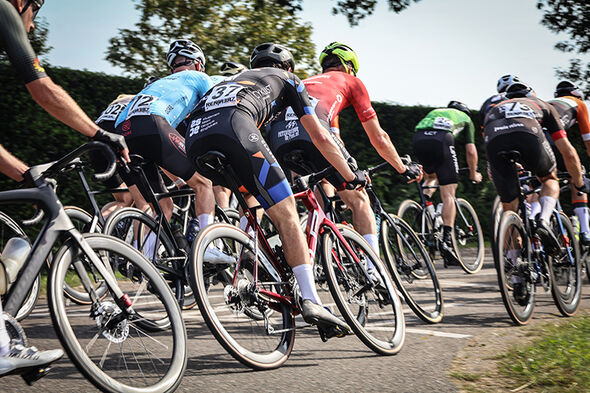
Cycling remains a sport with a unique dynamic. It’s a team sport, but the winners are individuals. One example is Joris Buter, Squadra’s secretary. This year, he became the fastest road cyclist among students in the Netherlands, proving it at the National Student Championships (NKS) Road Cycling in September.
Riding almost blind
Because Squadra members ride on public roads in groups during training sessions, safety receives a lot of attention. Voordendag teaches beginners the cycling etiquette used to signal obstacles.
“We use words and hand signals. You shout ‘Voor!’ (ahead, ed) if there’s a car or trash can on the right side of the road. ‘Tegen!’ (oncoming, ed) is the call for an obstacle on the left.”
“A hand behind your back means something different from a hand pointing toward the ground. And if there’s a speed bump up ahead, we make a sort of chicken dance with our elbows. When you’re riding in a group, you’re almost blind. Only the riders at the front have a clear view.”
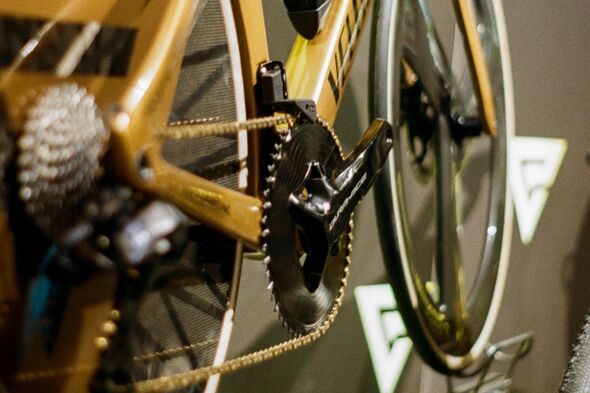


Voordendag could talk about cyclists for hours, but we have just two more questions: why do they expose their bare arms and legs to the risk of abrasions, and what's the most important thing to remember when maintaining a bike?
“Your body generates so much heat when you’re cycling fast that you need to make sure you can cool down properly. Otherwise, you’ll overheat.” Fair enough.
And finally: “Above all, keep your bike clean. Take care of all the bearings and keep them lubricated, and replace your chain before it starts wearing down the gears.”
This article was translated using AI-assisted tools and reviewed by an editor.
Discussion