
- Student
- 21/10/2026

Part-time job | Fares counts bats in the middle of the night
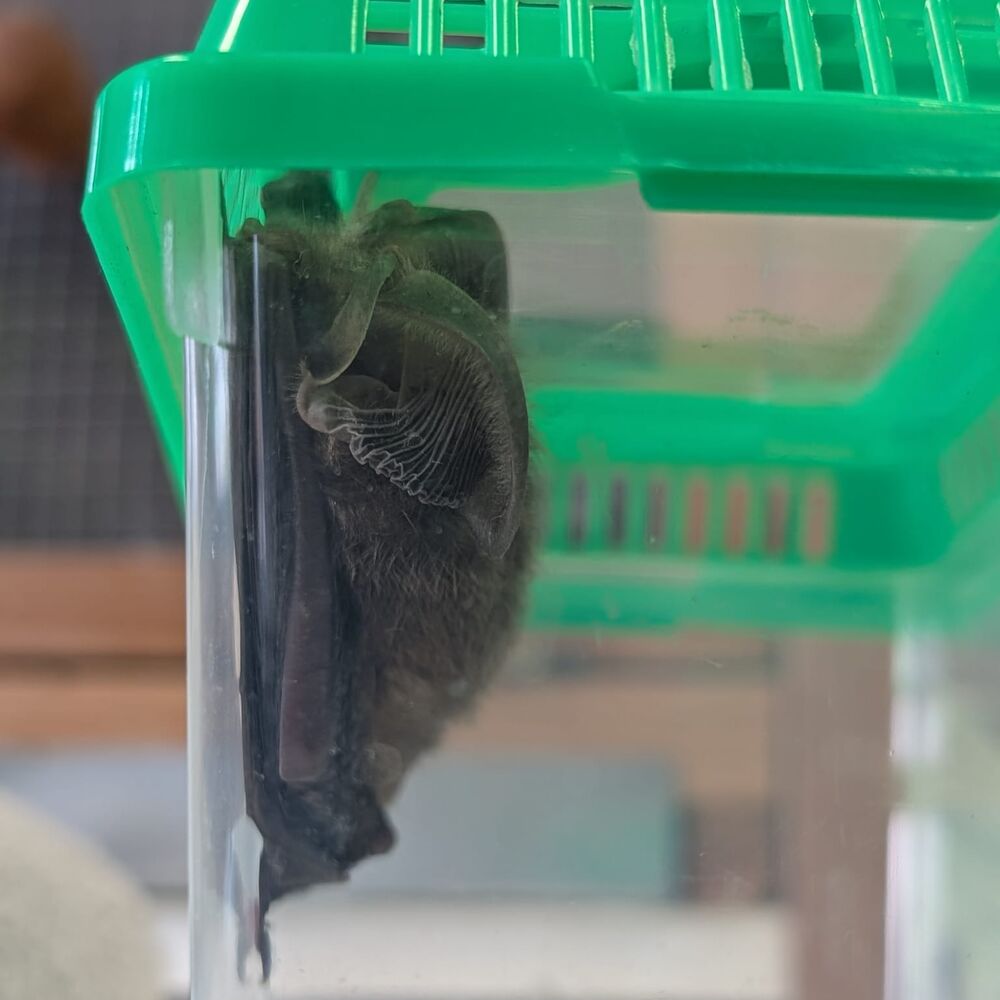
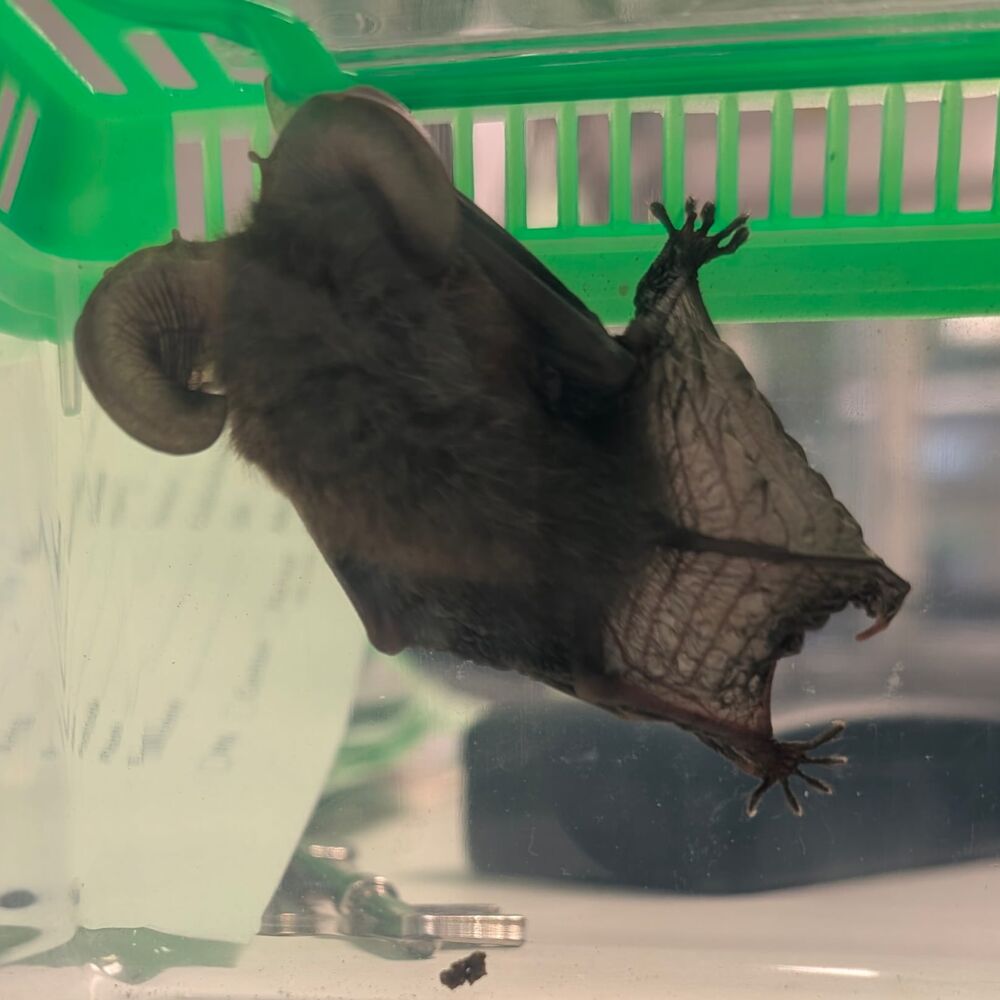
You might come across Fares Abuelhassan at night, sitting on a folding chair, staring at roof tiles and listening to ultrasonic sounds. As a part-time job, the Applied Physics student works as a field researcher specializing in bat surveys. The pay is good, but this nature lover would happily do the work even without it.
During the day, Abuelhassan lives in a completely different world from the one he inhabits on some nights. He is then finishing his master’s thesis in Flux. That’s enjoyable, too, but the student finds the work he does between sunset and sunrise even more fascinating. He works for ZIJN R, a company that surveys residential properties on behalf of housing associations to identify which animal species and protected wildlife live in their buildings.
These can include house sparrows, common swifts, black redstarts and five species of bats. Under Dutch law, housing associations are required to make an effort to determine whether animals live in properties they plan to renovate or make more energy-efficient. These animals like warm, hollow spaces, such as cavity walls or the areas beneath roof tiles and solar panels. A bat can squeeze through a gap as wide as a mortar joint and as long as a little finger.
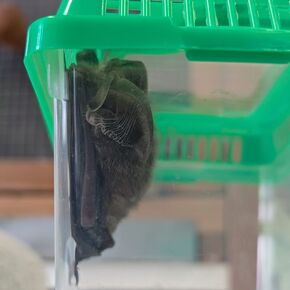
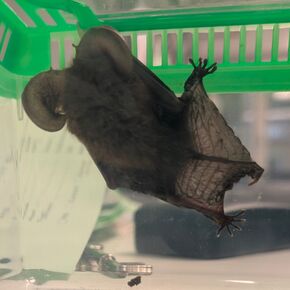
The surveys sometimes take place as many as five years before cavity walls are filled or roof tiles are replaced. If protected species are present, housing associations have years to gradually seal gaps while luring bats or swallows to alternative locations using nesting boxes.
Red Sea
Abuelhassan has loved nature all his life. It started in Egypt, where he was born and raised in Hurghada, a city on the Red Sea. “I saw the storks migrating every year. I found it so impressive.” After moving to Sittard-Geleen at the age of nine, his Limburg grandmother fostered his love of birds even further. Like her, he became a member of Vogelwacht Limburg, a bird-watching organization.
It’s no surprise, then, that years later he took notice of an Instagram vacancy for an ecological field researcher surveying swallows, house sparrows and bats. Along with his application, the student submitted an article he had happened to write for N!, the magazine of study association Van der Waals, about bat detectors. ZIJN R hired him soon afterward.
I spend the whole night sitting on a chair, staring at gutters and roof ridges, with a bat detector in one hand and a phone running the reporting app in the other
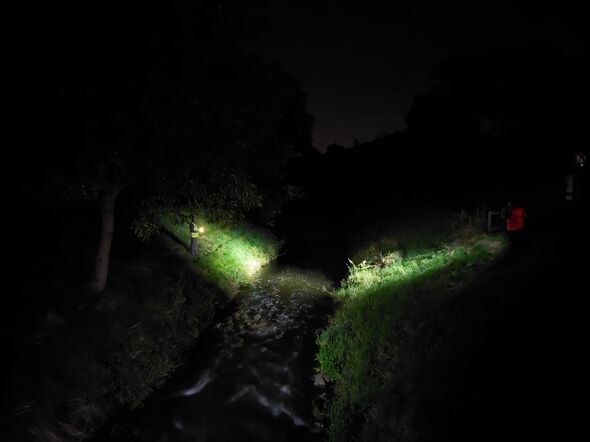
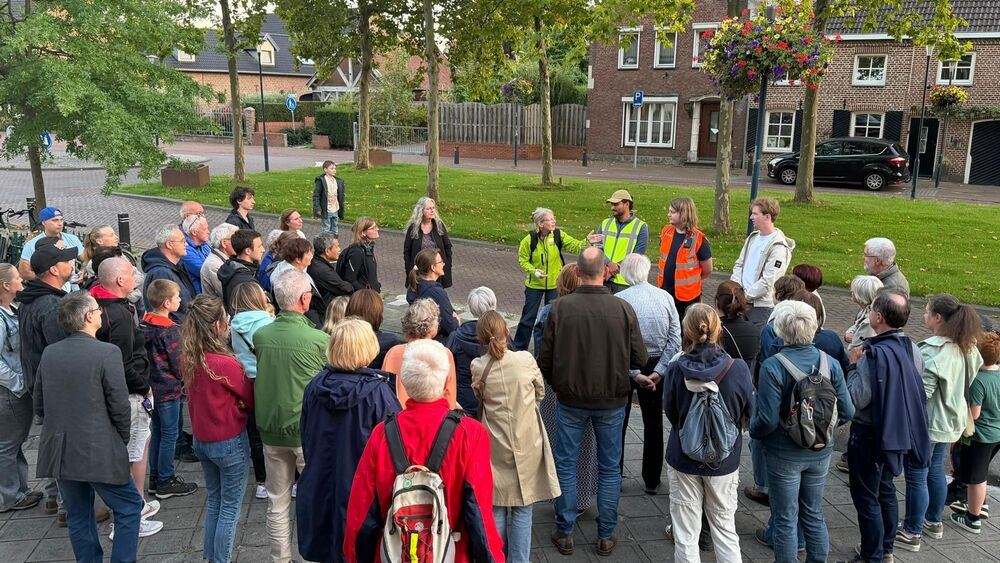
This summer, he worked an average of twice a week with a group of colleagues in Eindhoven neighborhoods and in towns such as Budel-Schoot, Steenbergen and Loon op Zand. The main question: are there bats in a building?
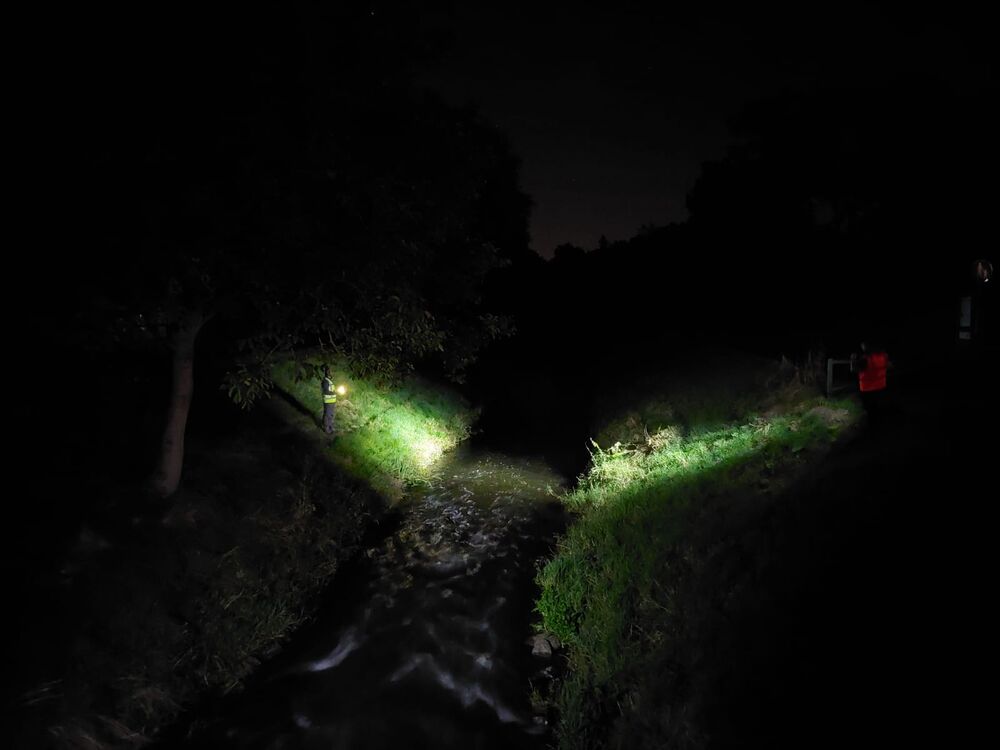
“I spend the whole night sitting on a chair, staring at gutters and roof ridges, with a bat detector in one hand and a phone running the reporting app in the other. Sometimes residents have questions. Once, a man came over to ask why I’d been staring at his mother’s window for hours. Fortunately, I was able to explain it clearly, and I was wearing the company’s yellow vest. Afterward, they gave me a cup of tea.”
Activity
During each shift, there is an hour when you have to pay particularly close attention. At dusk, during the 45 minutes when day turns to night, bats emerge to hunt for food. They do so silently, and a bat can suddenly drop from beneath a gutter or out of a cavity wall. Abuelhassan has to be very alert.
During the morning shift, around sunrise, bats are easier to spot. “They start by swarming, flying around the facades in groups. It can take as long as five minutes for every bat to eventually go inside. It seems like a social activity in which they teach future generations what makes a good place to sleep in a building.”
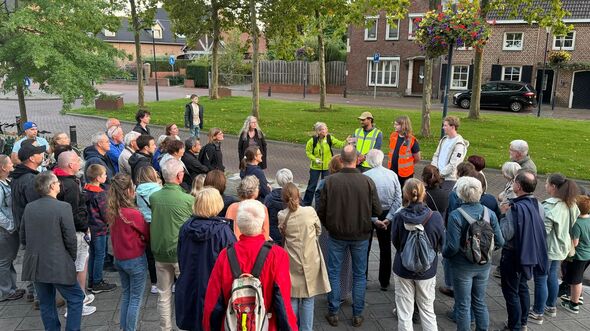
He always works alongside others. That’s another major plus of his part-time job. “My colleagues are, let’s put it this way, unique people. I’ve met a giraffe keeper, a marine who spent 40 years in the military, and people who work as math teachers during the day, for example. They have completely different jobs and perspectives. And there you are, driving with them in the middle of the night to some unfamiliar place to count bats. Sometimes I feel it’s a shame that we live in a bubble at the university. I’ve learned a lot about people whose days look completely different from mine.”
“The working hours are magical, but not practical”
And there he sits while almost everyone else is asleep. “But no matter how tired I am, even at four in the morning, it’s amazing to have animals come toward me. Bats fly at me because my warm body and the light from my equipment attract mosquitoes and moths. Weasels, martens and other nocturnal animals come over, too. Sometimes a cat climbs onto my lap. You could say the working hours aren’t practical, but they are magical.”
Listening in
Humans can hear sounds up to 20,000 hertz. Bats produce echolocation sounds above 20 kilohertz. “We use a bat detector. It’s a microphone that makes ultrasonic sounds audible to human ears. Yes, the night sounds very quiet—until you use one of these devices. Then you can hear electric cars from far away, cat scarers, electrical boxes and bats everywhere.”
Since April, he has had to train himself to recognize different sounds. Every species sounds different, and particular behaviors have their own distinctive calls. A bat may sound like a wet fart when courting, “sorry to put it that way.” With its strange squeaks and crackles, the horseshoe bat in the marl caves of Limburg sounds like an alien. Another species makes a sound like a tap dancer. Abuelhassan can distinguish the sound of a bat snatching a mosquito from that of one flying away or using courtship calls to find a mate.
Hibernation
The work is seasonal, and now that the bats are settling down to rest, Abuelhassan’s part-time job is on hold for a while, too. Female bats hibernate in a different space from the males, sometimes in groups of hundreds. The males have already transferred their sperm when the two sexes part ways. “It’s a case of delayed fertilization. Actual fertilization only takes place in the spring, when the females become active again. It’s so amazing!”
Fares, 24, master’s student in Applied Physics and bat surveyor
How many hours a week?
“At least two shifts of at least four hours each during the summer.”
How much do you earn?
“For every four-hour shift, I get paid for an extra two hours. That covers travel time and the fact that it’s night work. My hourly wage is €18.”
What are you saving for?
“Living expenses. Whatever I have left over will go toward setting up a home when my girlfriend and I move in together.”
What will you put on your résumé?
“That I contribute to species conservation by surveying protected wildlife. I’ve also learned project management, because I lead the entire survey on about a third of my shifts.”
What’s the worst part?
“Having to try not to fall asleep. It happened once, and a colleague had to wake me up. I also often can’t get to work by public transportation.”
What’s the best part?
“Getting to step into a completely different world in the middle of the night. No social media, just being out in nature, fully present and listening to bats. It never gets boring.”
Discussion