
- Student
- 30/09/2026
And how are things in Lisbon?
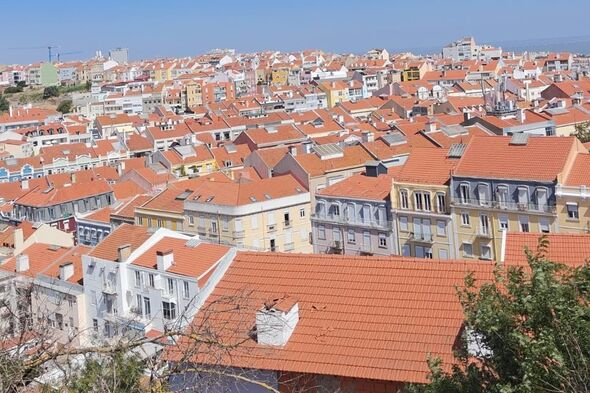
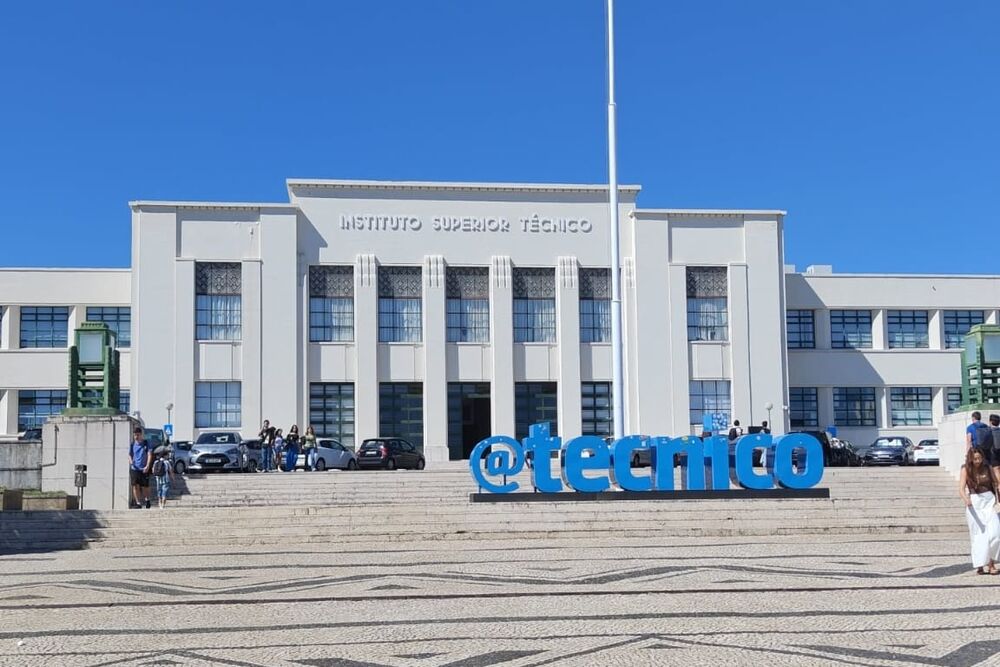
Michel Berden is on an exchange program at the Instituto Superior Técnico in Lisbon. His first impression: Portuguese people are a lot less strict about time. And in addition to the relaxed academic pace, the AI & Engineering Systems master’s student is also really enjoying the surroundings and the inexpensive kebabs.
“In the Netherlands, an appointment or event at ten o'clock really starts at ten. Here my lectures usually start about ten minutes late, and nobody seems to mind. Honestly, that suits me. I was always pretty busy in Eindhoven, so a slower pace is a nice change for a semester abroad. The weather helps too: in September it was around 30 degrees almost every day, which really lifts your mood. And the two-euro kebab is surprisingly good.”
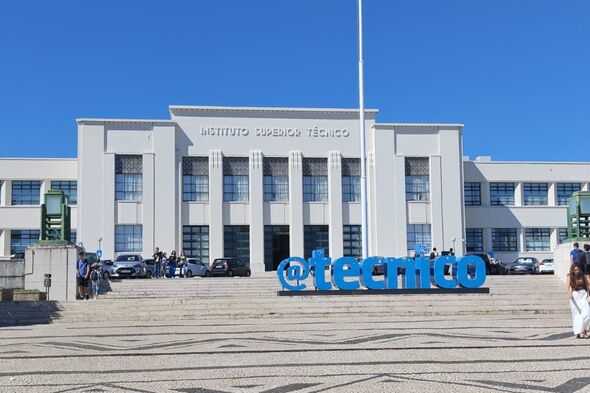
Técnico versus TU/e
“The teaching style is more relaxed, classes are smaller, and the pace is slower. Some lecturers have a strong Portuguese accent when they speak English, which takes some getting used to. If you're lucky the slides go online, but lectures aren't recorded."
"The campus feels a bit less high-tech than TU/e, and the courses are a bit less demanding. I hear that from almost every Erasmus student, across all kinds of universities and studies. So I have a lot more free time. Exams work the same way, and one course has a quiz every Monday. That actually helps me keep up.”
“I'm here through Erasmus+, the EU's exchange programme. I applied through TU/e, and after being selected I also received an Erasmus+ grant, a monthly contribution towards my stay.”
“I'm taking Nanotechnology and Communication in Engineering. The nanotech lecturer is really nice. We spend a lot of time on lithography, which is obviously very relevant with ASML right next door in Eindhoven. He visits Eindhoven now and then for ASML, so he likes that I study there.”
No cycling
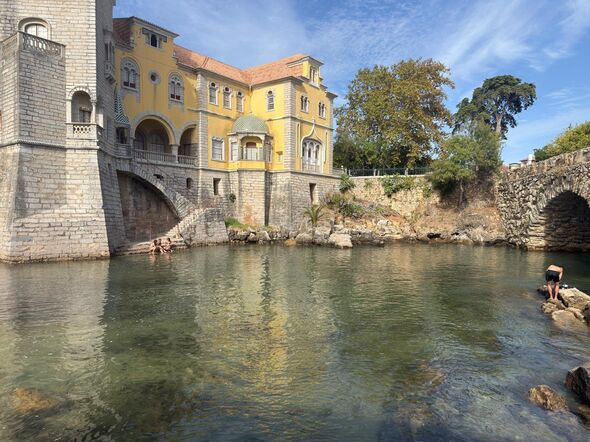
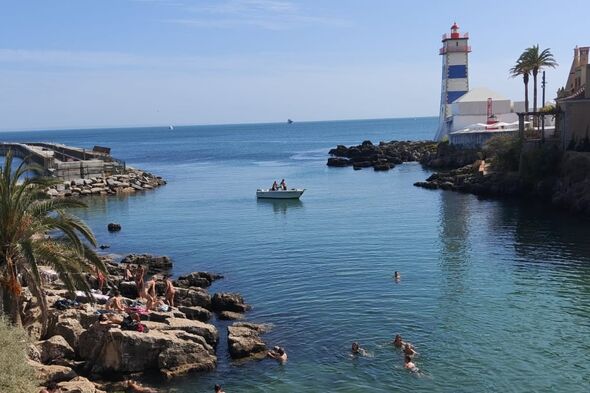
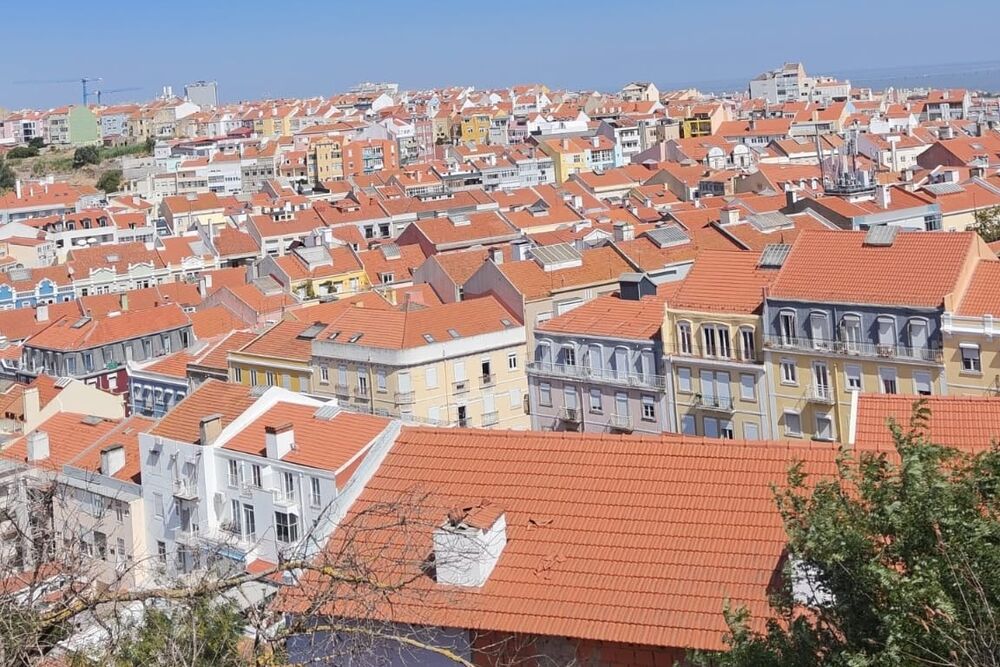
“Forget about cycling: Lisbon is built on seven hills, and you feel it in every street you walk up. I live in Alameda and walk about 20 minutes to campus every day, which is good exercise. For longer trips I take public transport, which costs me 40 euros a month for unlimited travel. Outside of class I go to as many Erasmus Student Network events as I can and meet up with the friends I've made here. We've also planned a few trips, including one to Madeira, which I'm really looking forward to.”
The NIF adventure
“Students aged 23 or younger travel for free on public transport in Lisbon. To apply for that pass, you need a NIF, a Portuguese tax number. The office that issues NIFs only helps a limited number of people per day. If you're too late in the queue, you have to come back the next day. I'm 25 myself, but in the first week I went along with a TU/e friend who is younger. We got there at eight in the morning. After three hours of waiting it was finally our turn, but all we got was an appointment for another day. At that appointment my friend got his NIF, and with it he could apply for his free transport pass.”
“My two Italian housemates arrived a week later and tried the same thing. They queued for five hours, until they were told there were no more spots that day. So the next night they slept on the ground in front of the office to be first in line in the morning. They definitely weren't the only ones, and it worked.”
More tips
- Start looking for a room early. I assumed TU/e would arrange housing for me, but I only found out in July that this isn't the case. In the end I found my room through www.erasmuslifehousing.com.
- Sign up with Erasmus Student Network (ESN). Every exchange student can buy an ESN card for about 20 euros. With the card you can join ESN Lisboa's activities, such as trips around Portugal, parties and cultural events. It's an easy way to meet other exchange students, especially in the first few weeks. If you plan to join several activities or trips, the 20 euros is definitely worth it.
- Take at least one surf lesson. Surfing is huge here. During intro week the university organised a weekend package for about 40 euros, with a free surf lesson included. It's a quick way to meet lots of other exchange students. At the end of August you'll get an email offering the package.
Discussion