- People
- 4 min
- 26/02/2026
Student community Rojava as a mini-Kurdistan in Eindhoven
No official country, but the solidarity stays strong
Their passports don't reveal it, but Kurds are the largest people in the world without their own country. They feel displaced, but they find common ground, among other things through the student association Rojava. There they speak a “forbidden language” and feel at home.
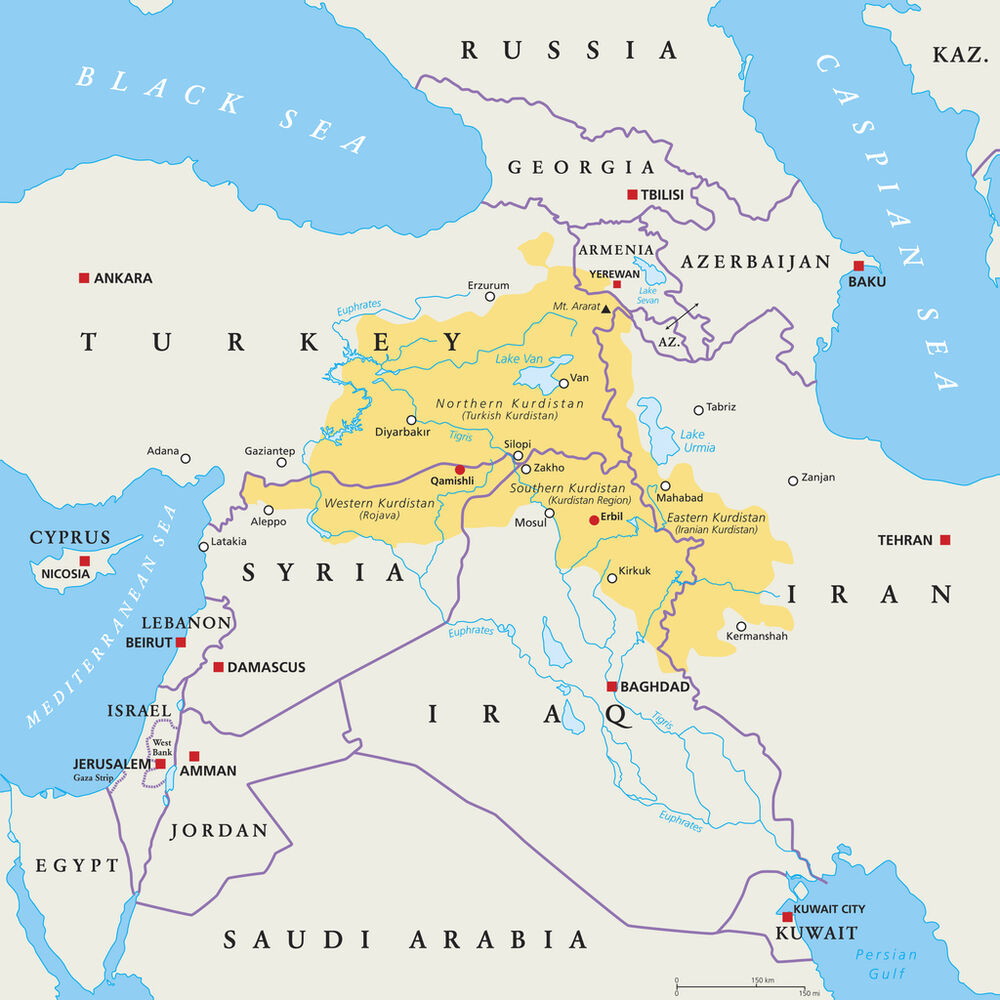
The largest population without a nation of its own traditionally lived in parts of Iran, Iraq, Syria, Turkey, Armenia, Georgia, and Azerbaijan, an area known as Kurdistan.
Today, Turkey, with a population of between 15 and 20 million, still accounts for the majority of the approximately 45 million Kurds in total. The Kurds have often been promised their own state—an autonomous Kurdistan—in the past, but those in power have yet to fulfill that promise.
The half million Kurds in Europe of which seventy thousand in the Netherlands miss having their own country to call home. To alleviate this, they seek out each other. That connection with other Kurds who know and share their language and culture helps.
Rojava
Also in Eindhoven there are plenty of Kurdish people, although exact numbers are not available. There's even a community where many students with this background gather: Kurdish Student Community Rojava. Rojava is Kurdish for ‘sun set’ which also refers to a long, horizontal stretch of land in northern Syria. This part of Syria has an autonomous administration led largely by Kurds, but is not recognized as an independent state by Syria or the international community.
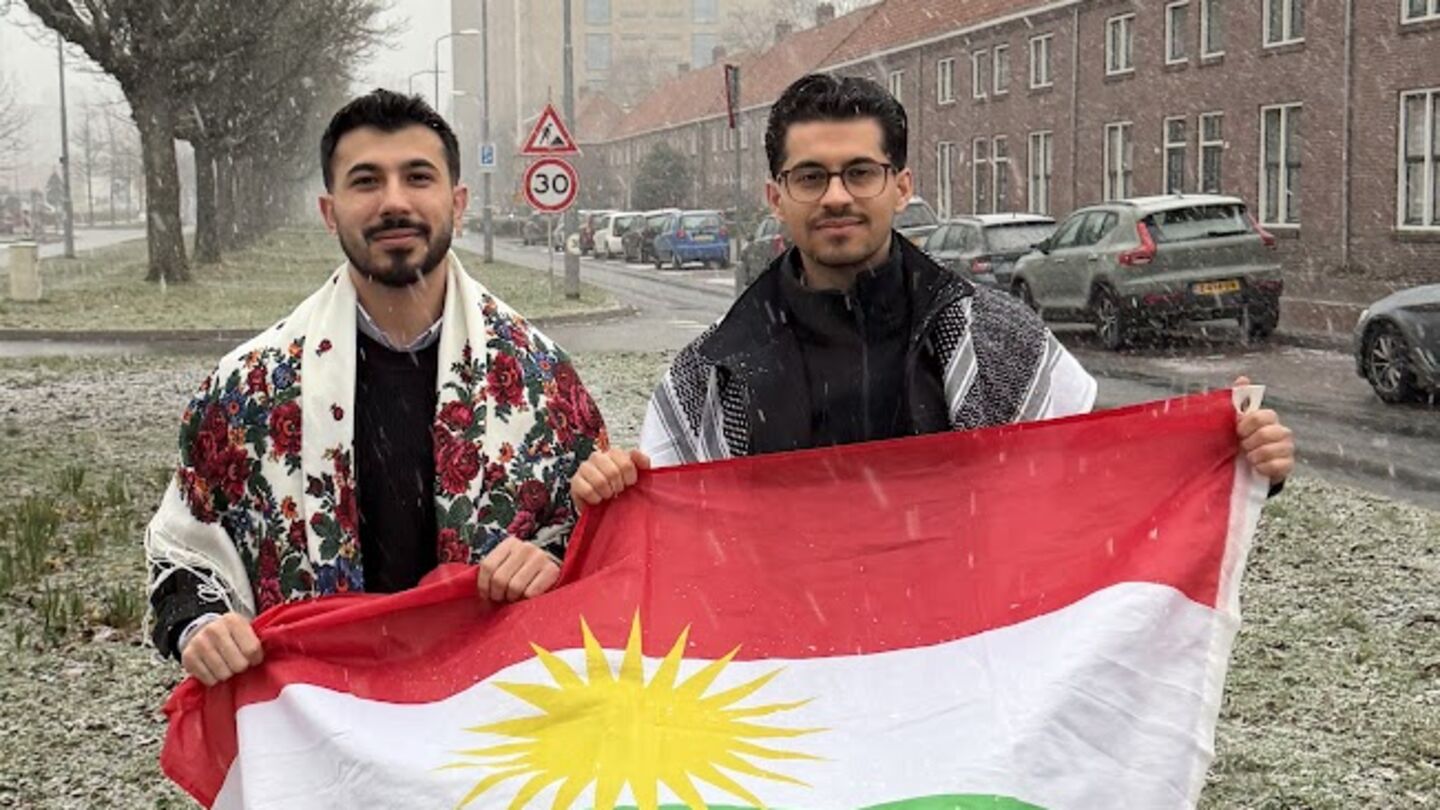
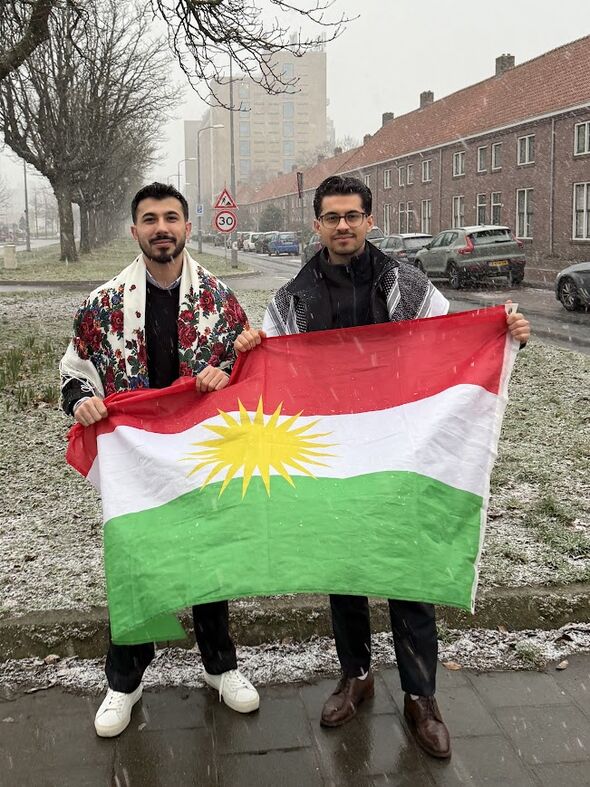
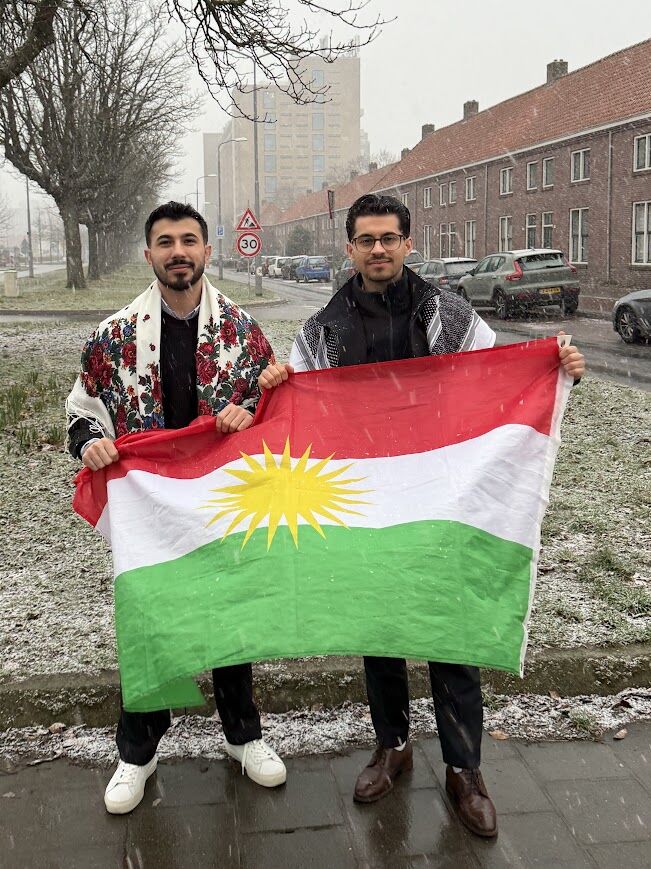
"Within the Rojava student community, 140 people meet regularly," says Fontys student Hasan Hussein, who is also on the board. "We chat in our own language – Kurdi - or take language classes, sometimes sing, or debate." TU/e master's student Mir Yousif enjoys attending the activities. "That chatting isn't always easy, though: Kurdish has many dialects."
When someone asks them where they're from, they rarely say ‘Kurdistan’. It's an area in the Middle East that isn't recognized as a country, but it's the place where their people have lived for thousands of years.
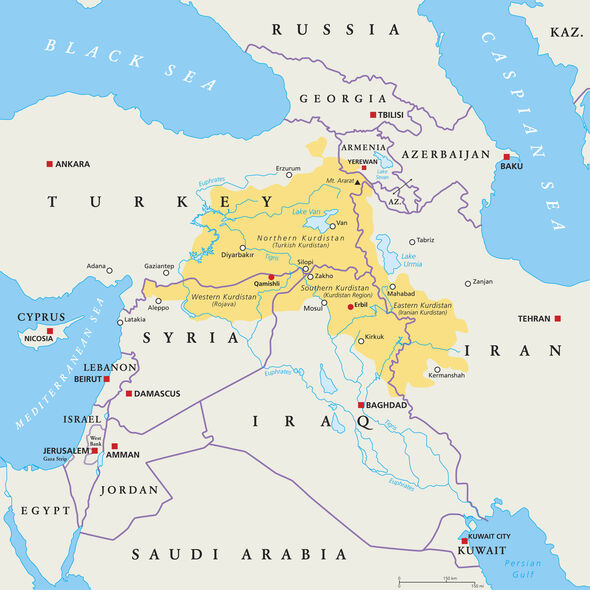
The answers the students do give vary. "I often say I'm Kurdish from Iraq," says Yousif. "And I say I'm a Kurd from Syria. Then everyone in the region knows I'm Kurdish." They mention the region to better understand each other. "Precisely because there are borders between these areas, we're curious about Kurds from other regions”, Yousif explains.
Forbidden language
The students have noticed their Kurdish origin sometimes causes friction. Although they don't have much of an issue with Dutch people. "They react quite neutrally when we mention our origins. With Turks, it's sometimes more of a friction, given their history."
Kurds in Turkey
The history between Turks and Kurds is complex and, after World War I, changed from a relatively peaceful coexistence within the Ottoman Empire to a tense relationship within the new Turkish Republic.
When Turkey was formed in 1923, a nationalist state with a single language and identity was chosen, which meant that Kurds were no longer allowed to express their own language, culture, and identity, leading to inequality and subsequent uprisings. Since 1984, this conflict has intensified due to the armed struggle of the PKK (the Kurdish Workers’ Party), with the Turkish state taking military measures in the southeast of the country, where most Kurds live.
"The original mission of the PKK was to create its own state," explains Turkish historian Tayfun Balçık on the Dutch radio show Onvoltooid Verleden Tijd (OVT). “In Turkey, they denied that a people like the Kurds even existed. When Turkey became a republic and said, ‘from now on, there are only Turks in Turkey,’ they had to do something with that population. They tried to deport Kurds to the west. And many Balkan Turks were sent to the Kurdish regions to convert the Kurds into Turks.”
They look sad. "We feel oppressed. The promised autonomy after the First World War was never granted. In Turkey and Syria, we don't have the same rights as the Turkish or Syrian people. For example, we're not allowed to speak Kurdish," says Hussein who also lived in Turkey for a while. The Kurdish language was banned in Turkey until 1991 and in Syria until 2011. Broadcasting in Kurdish was prohibited in Turkey until 2002. According to the Oslo recommendations, minorities should have access to education in their native language, at least at the primary school level. Despite the now-lifted ban, many parents report that their children are still unable to attend language courses in Kurdish – even in Turkey's largest cities.
"I remember that ban vividly. As a child, I once spoke to another little boy in Kurdish, and he immediately warned me not to. That was in Aleppo. There, it was more strictly enforced than in the Kurdish village where I come from."
Yousif sees that things are somewhat better in Iraq. "Our government is made up of people from different minorities; it's arranged so that everyone has a voice. Kurds are also represented in it. The fact that we don't have the same rights in many Middle Eastern countries also means we don't feel connected to those nations," he explains. Despite the differences, they do try to connect with the people behind the nationalities. "We don't hate the citizens of any country. You can't hold an ordinary citizen responsible for what their regime does."
Islamic State
Protests in the Netherlands against violence by Israel, Iran, and the US receive ample media coverage, but the Kurdish protests receive much less. Why is that? Kurdish students Hussein and Yousif wonder. They find it difficult that there is little knowledge about the history and current events surrounding Islamic State (IS) that affect them.
Yet, there is some information available on news websites here and there. Over the years, there have been many Kurdish protests, for example, against military intervention against their people by Turkey or for their own state. This January, there were also several protests, for example in Amsterdam and The Hague. The students also go to protests like these to support their fellow Kurds. Beginning of this month there was also a protest in Eindhoven.
NATO
The protests have been going for years but were sparked again by violence against Kurds in Syria, allegedly perpetrated in part by fighters aligned with the new Syrian president, Ahmed al-Sharaa. The protesters also claim that thousands of ISIS prisoners have been freed by the current rulers in the region. "Nothing has changed for the better now that Assad is gone," says Hussein.
The Kurds fought alongside NATO troops against the Islamic State around 2015, but feel forgotten by America and Europe now that ethnic violence against them has flared up recently. During a protest in Arnhem on January 20, criticism was leveled at the international community. Protesters claimed they had lost twenty thousand Kurds in the fight against ISIS.
Hussein and Yousif also emphasize these losses and don't understand how the West can turn its back on them after the joint war against ISIS. They believe it's important to join the protests and make their voices heard. "Sitting still isn't an option," Hussein believes. "It seems like the world doesn't realize how dangerous ISIS is; I'm afraid they'll attack again soon."
*Several sources were added to this article on February 26 at 8 PM that substantiate the language ban and show its consequences to this day.
Discussion