- The University
- 03/07/2026
The academic year at a glance: what happened on TU/e campus?
From occupations to a shopping ban, defense to AI, and living in Roermond to professors on bicycles
The end of the academic year is in sight. Students, wilting in the heat wave, have finished their final exams. Staff have cleared their desks. Those who continue working or studying over the summer months generally do so at a slower pace. A good reason for Cursor to look back: what stories captured the attention of the campus community?
Last academic year, the biggest story was the January 2025 cyberattack. TU/e quickly took its network offline to prevent further damage. There was no news of that magnitude this past year. But that certainly did not mean Cursor ran out of stories to cover.
Quite the opposite. In June, TU/e finally presented its new approach to assessing sensitive collaborations. In addition to a Committee for Responsible Collaborations, the university will establish a Moral Deliberation Panel: a group of one hundred staff members and students who will weigh ethical dilemmas.
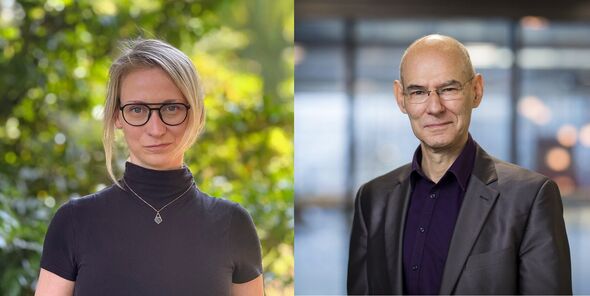
“This approach helps members of our community understand their own responsibility,” Secretary Andrea Kis said in an interview. The sensitive collaborations concern, for example, partnerships with universities in countries such as China, Russia, and Israel.
On another front, TU/e is significantly expanding its collaborative projects. The university's willingness to work with the Ministry of Defense is increasing.
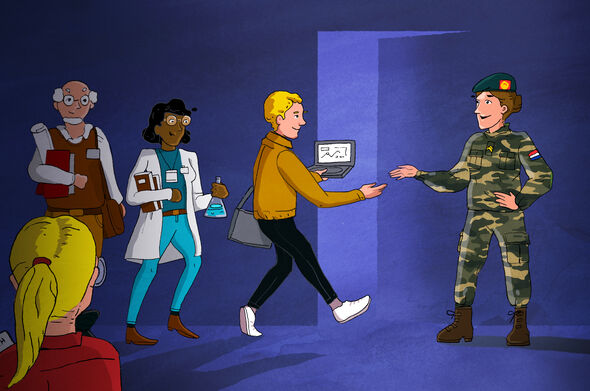
Under the banner of the new buzzword resilience, TU/e is exploring what a structural partnership with the Ministry of Defense could look like and what it would mean for, among other things, open science, academic independence, and campus safety.
Shopping ban
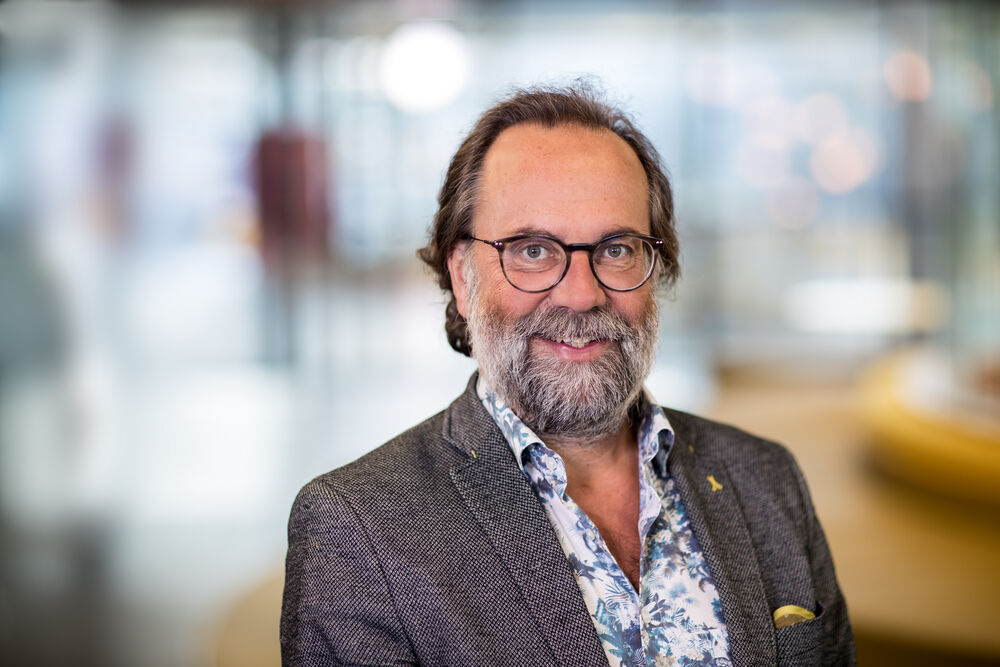
It was not academic news, but the TU/e community was surprised in April when university professor Maarten Steinbuch received a 24-month shopping ban from the Albert Heijn supermarket in his neighborhood. It turned out that he had failed to scan eight of the twelve items in his basket.
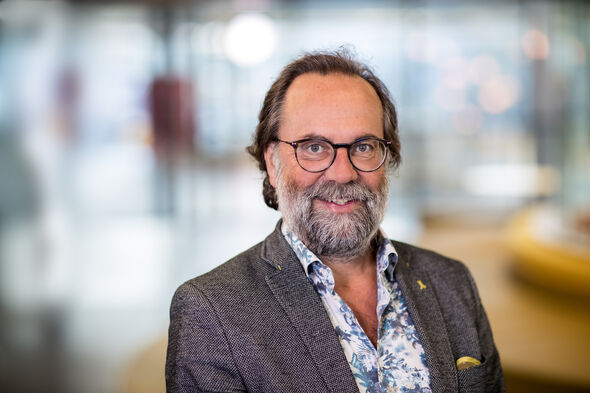
Fatigue and absent-mindedness caused him to fall into the self-checkout trap, Steinbuch told Cursor, not an attempt to steal.
He believes Albert Heijn should modify its self-checkout software. “There are too many distressing stories of people making unintentional mistakes and being accused of shoplifting.”
Protests
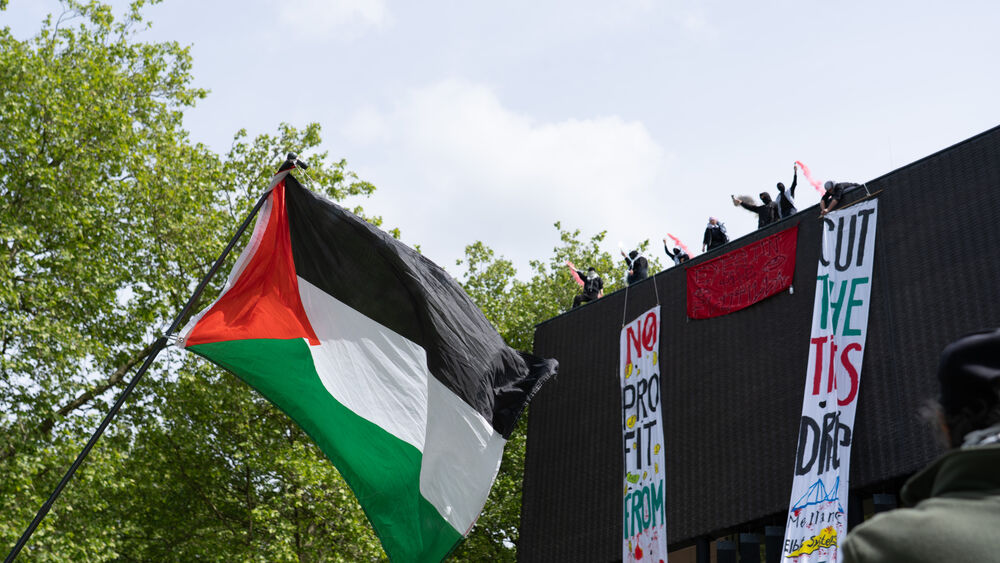
There was no shortage of demonstrations and protests during the past academic year. Pro-Palestinian activists occupied the roofs of Matrix and later the NanoLab, hanging banners with slogans opposing scientific collaboration with Israel.
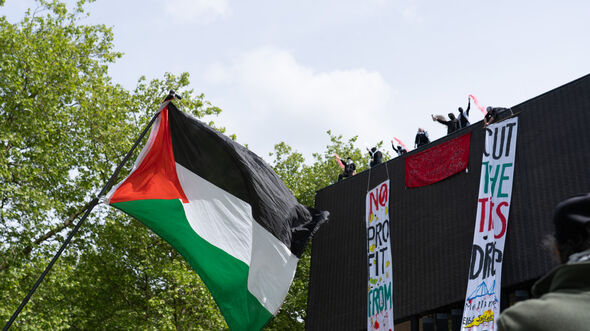
Members of Students4Palestine had already demonstrated during the first day of the Intro. Most new students, however, showed little interest.
“They have the right to protest. But I’m not really involved; it’s not my thing,” one participant told Cursor.
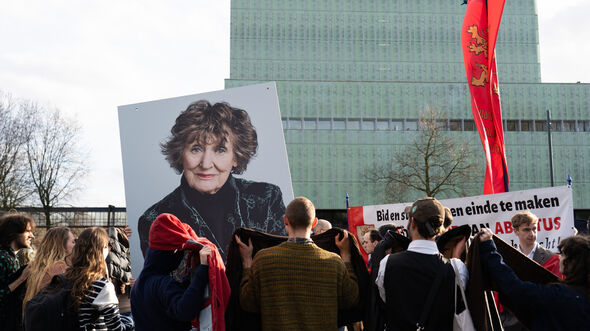
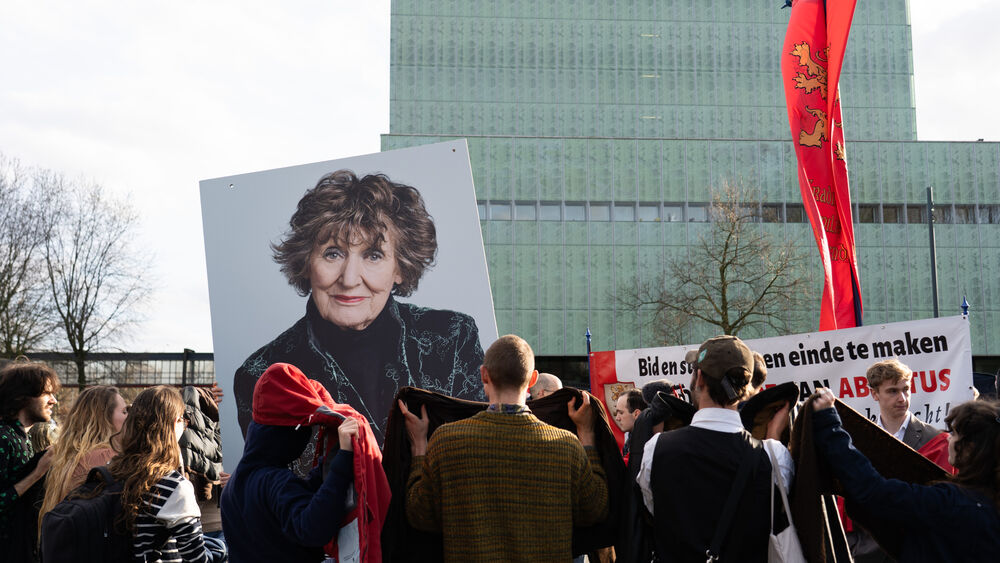
Another protest that stood out took place in March against abortion, as did the spontaneous counterprotest by students and staff defending women’s rights.
Student housing in Roermond?
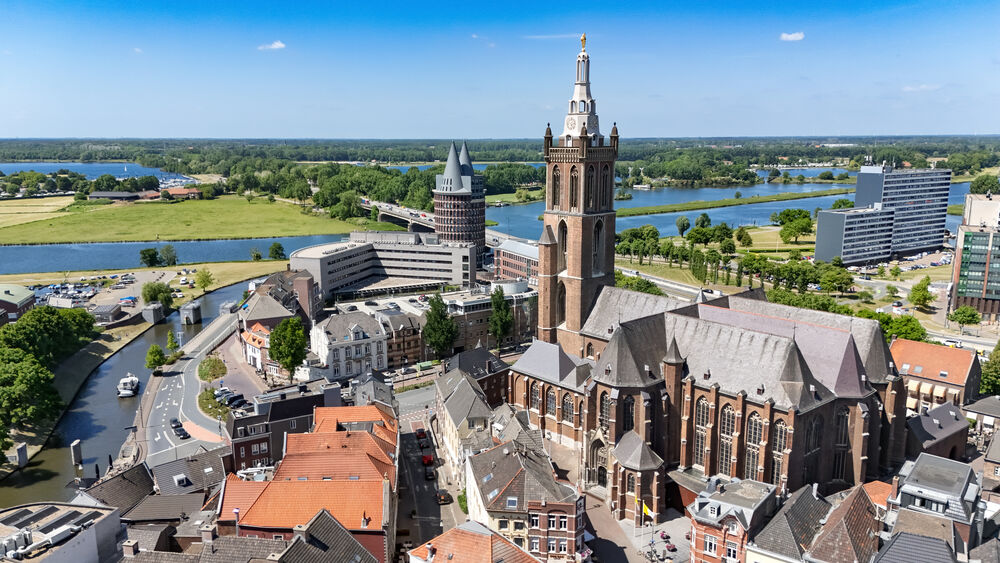
It is no news fact that finding a room in Eindhoven is difficult. What was news, however, was that TU/e is in talks with the municipality of Roermond about creating student housing there.
Roermond’s deputy mayor is enthusiastic. “There’s a historic city center, there are cafés, there are plenty of water sports opportunities on the Maasplassen lakes, and of course there’s a major outlet center,” he said, listing the city’s advantages.
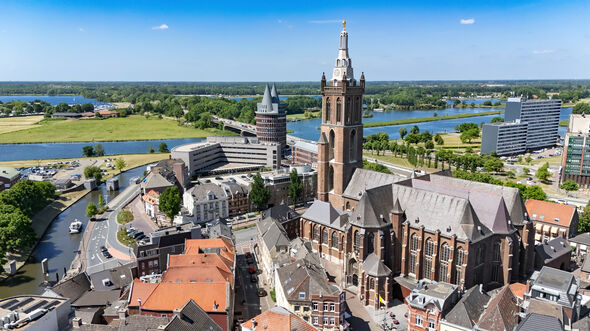
Students themselves were far less enthusiastic, as a video survey on campus showed. Student and columnist Wob Knaap nearly choked on his breakfast when he read the news. What would remain of student life “in an anonymous studio apartment in a distant commuter town,” he wondered.
Energy, health, and AI
Researchers at TU/e continue to work hard on solutions to societal challenges and the technologies of the future. The energy transition, for example, is being hampered by an overloaded electricity grid.
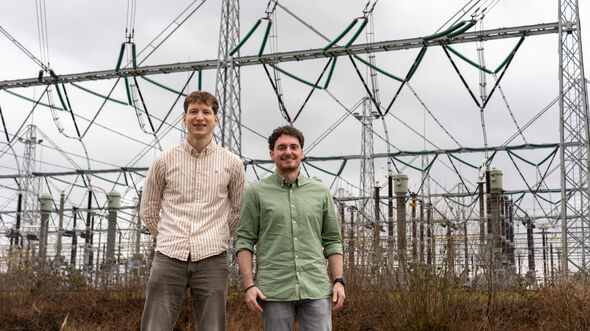
Thanks to new insights from TU/e energy technologists Bart van der Holst and Gijs Verhoeven, grid operators can now use existing capacity more efficiently and effectively. A new simulation tool also allows them to better encourage flexible energy use by consumers.
TU/e researcher Willem Mulder from Biomedical Engineering also received academic recognition, securing a European Proof of Concept Grant, just like Antoni Forner-Cuenca and Bas Overvelde.
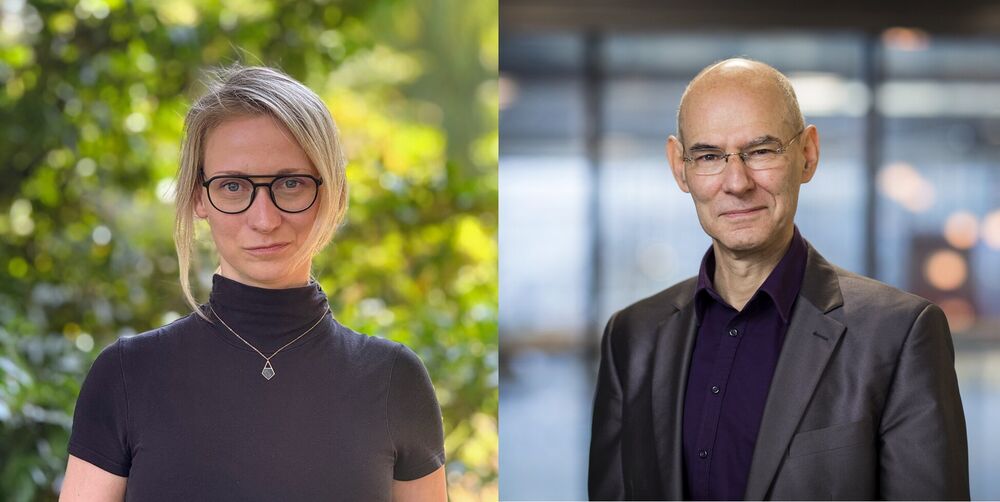
A week earlier, Mulder had already received more good news when, together with TU/e researchers Remco van der Hofstad and Bert Koopmans, he was awarded an Advanced Grant of up to €2.5 million by the European Research Council.
Paradoxically, the enormous attention surrounding artificial intelligence (AI) means that EAISI, TU/e’s AI research institute, will cease to exist in its current form.
TU/e wants to organize AI as closely as possible to its core processes and coordinate it centrally only where necessary. An “acceleration platform” will be created to integrate AI into all university processes, including education, research, and operations.
Cycling and sports
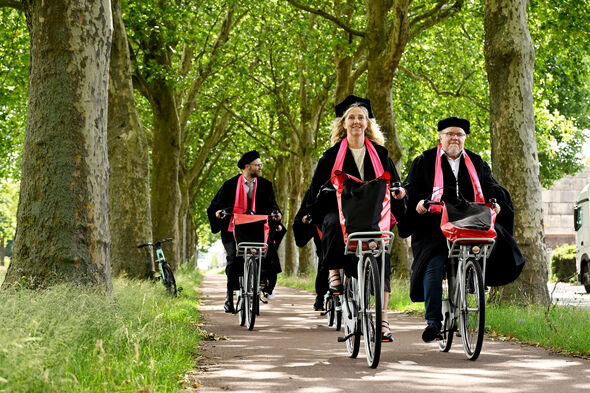
To celebrate TU/e’s seventieth anniversary, 45 professors cycled to seventeen schools across Eindhoven in June, dressed in their academic gowns. They received an enthusiastic welcome at each school. Later, they rode in procession through the city center. Cursor joined them to produce a video report.



Taking sports to the next level are the women’s soccer players of Pusphaira Eindhoven. This summer, they will compete in the European Universities Games (EUG). The European student championships, held in Salerno, Italy, from July 18 through August 1, will bring together fifteen different sports.
See you in August!
If the soccer team performs well at the championships, you can read about it during the week of August 10. In a new roundup, the editorial team will summarize all the newsworthy events that took place on campus and across academia during Cursor’s summer break.
This article was translated using AI-assisted tools and reviewed by an editor.
Discussion