
- Employee
- 29/05/2026
Berenschot investigates social safety TU/e PhD candidates
At the request of PhD candidates themselves, Berenschot is investigating how social safety for PhD researchers within TU/e can be improved. The consultancy firm is looking, among other things, at how the relationship between supervisors and PhD candidates is structured within the university.
The study stems from a request by Vera Kools and Willem Klok, both PhD candidates at IE&IS. Within their Technology, Innovation & Society group, there is already considerable attention to social safety. For example, PhD candidates hold office hours where they jointly discuss work-related challenges and questions.
To find out how other groups and departments approach social safety, the two conducted a tour across the university, Klok explains. “We wanted to know: what is everyone doing? And what can we learn from each other?”
Structural issues
During those conversations, they noticed that several structural issues within the university could stand in the way of creating a socially safe working environment. Among PhD candidates, discussions often centered on the relationship with their supervisor and how that relationship is organized within the university.
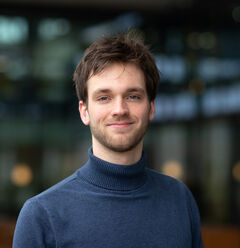
Klok: “There seemed to be a lack of a shared understanding of everyone’s responsibilities and of what you can expect from one another.”
There also sometimes appears to be a gap between what is intended on paper and what happens in practice, Kools adds. According to the PhD candidates, possible consequences of structures that do not function well include uncertainty and delays. To explore whether things could be done differently, they therefore looked for an independent party with a neutral perspective.
Grant
They found that neutral party in Berenschot, a well-known Dutch organizational consultancy firm that has previously conducted research for TU/e into inappropriate behavior. The study is being fully funded through a grant from the Steering Group on Social Safety in Higher Education and Science.
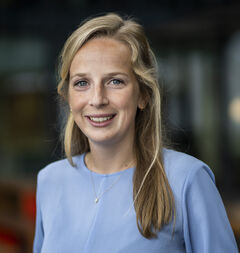
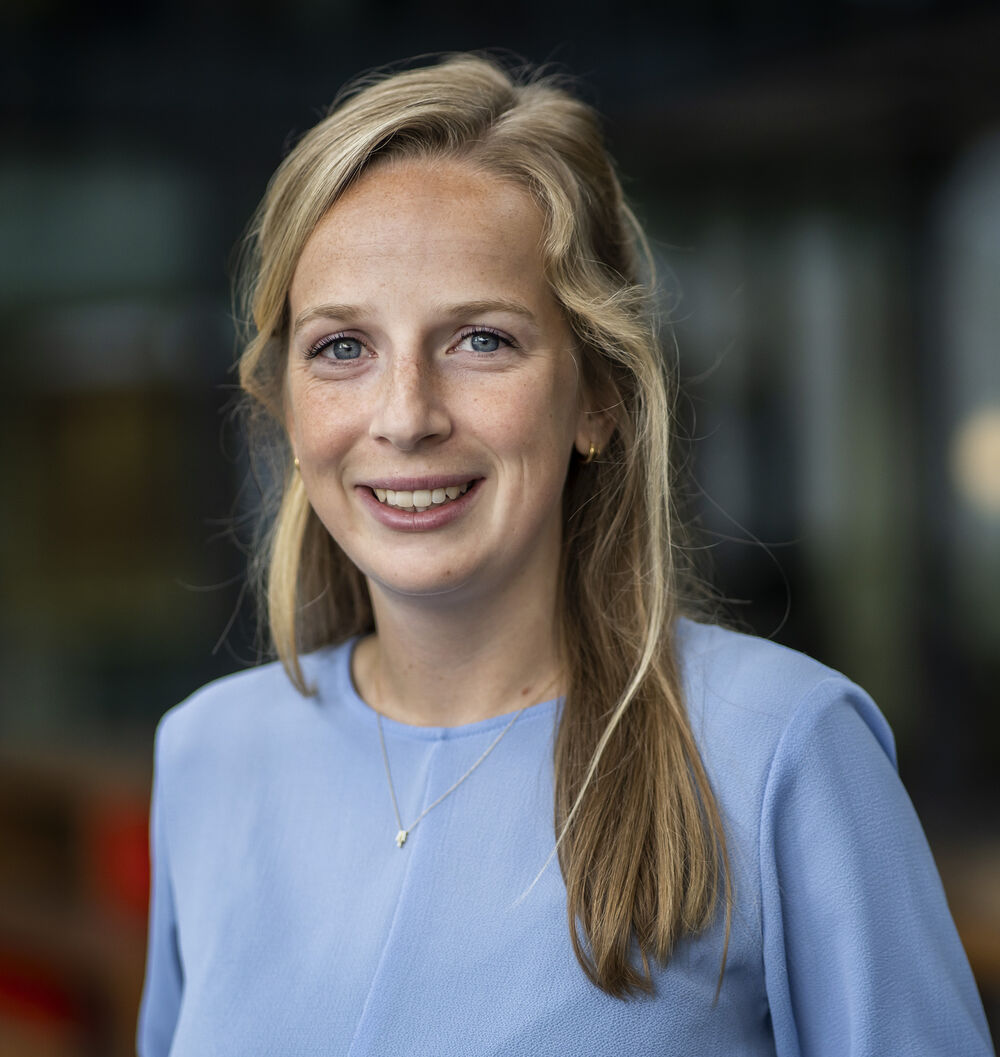
“So far, the university has also cooperated well with the study by providing documents, for example,” says Kools. From TU/e, HR, the Social Safety & Integrity Desk, and the Graduate School are involved, among others. For this project, Kools and Klok are affiliated with the Eindhoven PhD Association NEXUS and the General PhD Council.
Concrete steps
According to Kools, the study goes beyond analysis alone; it is also partly an exploration of which concrete steps may be possible. Klok emphasizes that he would like to approach improving social safety as something positive: “Social safety is often seen as a risky topic, while it would be much better if you viewed it as something you want to achieve. If you ask who wants to work in a pleasant work environment, everyone does.”
According to him, the study is being approached from that perspective, “with a sense of enthusiasm about how we can truly make TU/e a pleasant organization to work for.”
Not binding
The recommendations resulting from the study are not binding. Klok: “What ultimately happens with them is not within our control. But as a PhD candidate, it may give you a little more leverage to start a conversation.”
The project is now entering its final phase. On Wednesday, June 3, there will be two more dialogue sessions: one for (co-)supervisors and one for PhD candidates. Registration via the intranet remains open until shortly before the sessions begin. A report is expected by the end of the summer, with implementation discussions to follow in September.
This article was translated using AI-assisted tools and reviewed by an editor.
Discussion