
- The University
- 14/09/2026

Krist Vaesen chair of committee on high-risk collaborations
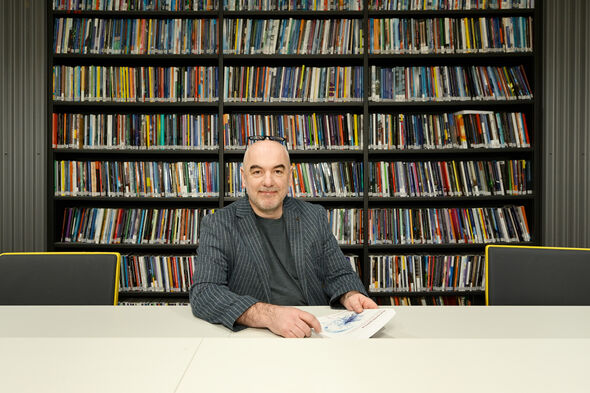
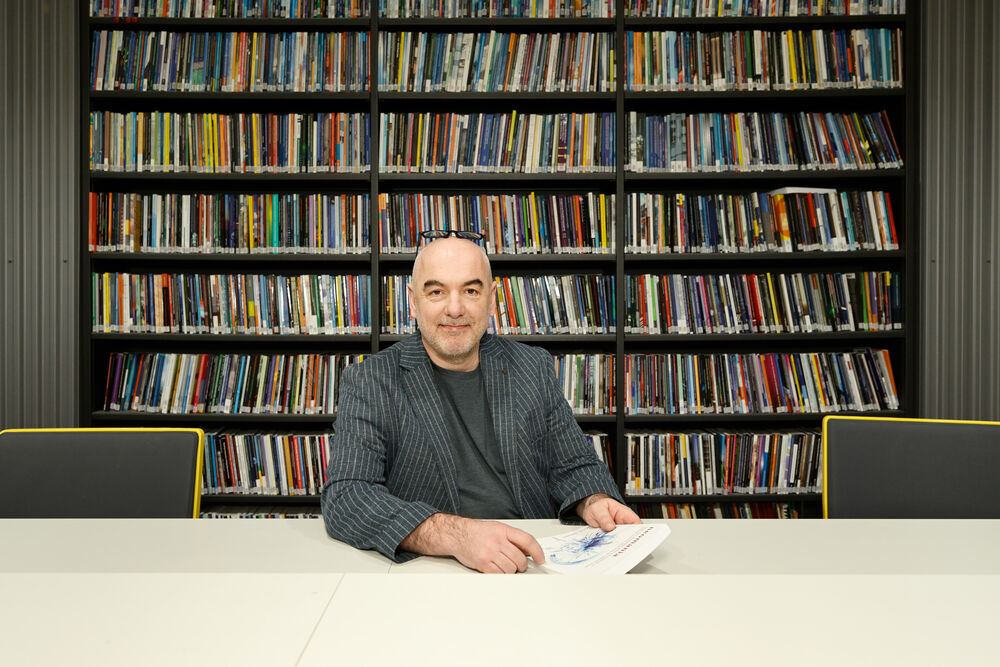
Innovation philosopher Krist Vaesen is the chair of the new Responsible Collaborations Committee, TU/e announced today. According to the university, the first collaborations will be reviewed in the first half of 2027. Staff and students can now register for a pilot session on the Moral Deliberation, a think tank that the committee can consult.
The Responsible Collaborations Committee was established following sustained criticism from the TU/e community and beyond over collaborations with, among others, Israel, the defense sector, or companies that contribute to the climate crisis. TU/e community members have also been asking the university for clearer ethical frameworks and guidelines for entering into collaborations.
New chair
Krist Vaesen is an associate professor of Philosophy of Innovation at the Department of Industrial Engineering & Innovation Sciences (IE&IS). He is part of the Philosophy & Ethics research group, which conducts research at the intersection of research, philosophy and innovation.
Vaesen is also a co-founder of META/e, a center for metascience, the scientific study of science itself. He has published on the benefits and pitfalls of interdisciplinary research, research integrity and solutions to PhD candidate attrition. Vaesen will continue his research alongside his role as chair.
Starting in 2027
Vaesen says he is “very pleased” with his new role on the TU/e website. As chair, he will handle cases that are classified as high-risk collaborations under the university’s new assessment system. These may involve ethical or moral dilemmas, but also risks related to knowledge security, for example.
According to TU/e, the first collaborations will go through the new assessment process in the first half of 2027.
Moral Deliberation
The committee can also provide solicited and unsolicited advice to the Executive Board on all of the university’s collaborations. For sensitive issues, it can convene a Moral Deliberation session: a group of faculty, staff and students who consider ethical dilemmas together.
The university plans to train 100 TU/e community members in stages for this purpose and has now opened a registration form.
Search
Vaesen will immediately have to start looking for other committee members. All members must be appointed by the end of this year, according to an implementation plan for the committee published today. It calls for a carefully selected composition, but does not specify an exact number. It does mention a composition plan for the committee, which Cursor requested.
The initial plan for seven members was “not set in stone,” committee secretary Andrea Kis told Cursor in June. Kis was appointed in January to prepare the assessment process for practical implementation. To properly assess a case, it would be preferable to form subcommittees with multiple experts in a particular field.
In the meantime
The new assessment system was developed late last year by a working group led by emeritus professor Niek Lopes Cardozo. He was tasked with setting up a committee to assess sensitive collaborations. The result was a broad assessment process for all collaborations between TU/e and other parties, academic or otherwise.
Until the new system is in place, all collaboration proposals will be submitted to the faculty boards. Decisions on high-risk agreement-based collaborations will be paused until the new process begins. All defense-related collaborations will continue to be assessed by the existing ad hoc committee.
This article was translated using AI-assisted tools and reviewed by an editor.
Discussion